

Hernia surgery at 101 Harley Street: Symptoms, types of hernia and what to expect after hernia repair

  • Blogs
  • Body

Hernia  Symptoms, types of hernia and what to expect after hernia surgery

A hernia often starts as something easy to dismiss.

Maybe it’s a small bulge you notice after exercising or lifting something heavy. Maybe there’s a dragging sensation in your abdomen that comes and goes throughout the day. For some people, it feels more like pressure or discomfort when coughing, bending down, or standing for long periods.

At first, many patients assume it’s a pulled muscle or strain that will settle on its own. But over time, symptoms can become more noticeable, more uncomfortable, and harder to ignore.

Hernias are extremely common, and in many cases they are very treatable. The key is understanding what symptoms to look for, when medical attention is needed, and what treatment options are available.

At 101 Harley Street, patients have access to expert assessment and personalised hernia treatment in a discreet private setting, with surgical approaches tailored to the individual and the type of hernia involved.

What is a hernia?

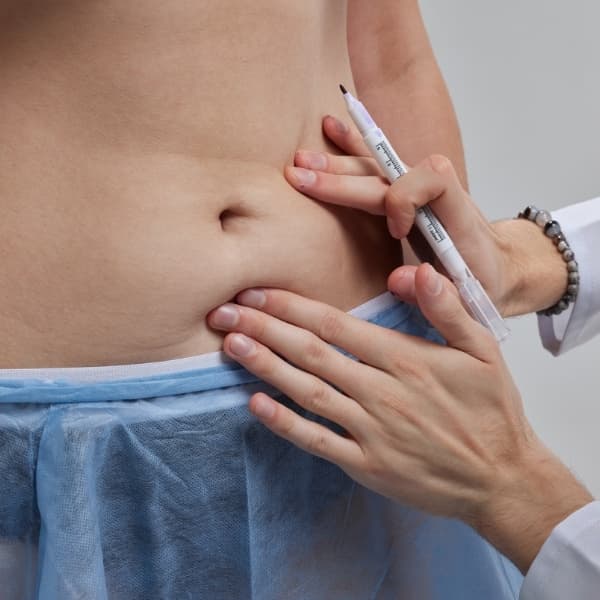
A hernia happens when internal tissue pushes through a weakened area in the surrounding muscle or connective tissue.

This often creates a visible or palpable bulge beneath the skin, although not all hernias are immediately obvious externally.

The condition can develop gradually over time or appear suddenly after strain, heavy lifting, persistent coughing, pregnancy, or increased abdominal pressure.

Learn More
Duncan-Brennand-portrait

Types of Hernia

There are several different types of hernia, including:

Inguinal hernia
Umbilical hernia
tummy-tuck
Hiatal hernia
Incisional hernia
Femoral hernia

Hernia symptoms and what to look for

Hernia symptoms vary depending on the type and size of the hernia, but there are several common signs people tend to notice.

One of the most recognisable symptoms is a visible bulge or swelling beneath the skin. This may become more noticeable:

  • when standing
  • after exercise
  • while coughing
  • during lifting
  • or at the end of the day

Some hernias flatten or temporarily disappear when lying down.

Other common symptoms include:

  • a dull ache or pulling sensation
  • discomfort during physical activity
  • pressure in the abdomen or groin
  • heaviness or weakness in the affected area
  • tenderness around the bulge

Inguinal hernias often cause discomfort in the groin, particularly during movement or lifting.

Umbilical hernias may present as a soft protrusion around the belly button.

Hiatal hernias are slightly different and can cause:

  • reflux
  • bloating
  • chest discomfort
  • indigestion
  • difficulty swallowing

Some patients experience only mild symptoms initially, while others notice increasing discomfort over time.

Importantly, not all hernias are painful. A painless bulge can still represent a hernia and should still be assessed properly, particularly if it continues enlarging.

At 101 Harley Street, assessment focuses not only on confirming whether a hernia is present, but also understanding the type, severity, and most appropriate treatment approach for each individual patient.

More on Hernias
Hernia Symptoms

When to worry about hernia pain

Most hernias are not medical emergencies, but there are certain symptoms that should never be ignored.

If a hernia becomes trapped or loses its blood supply, urgent treatment may be needed.

You should seek immediate medical attention or attend A&E if you experience:

  • sudden severe hernia pain
  • nausea or vomiting
  • redness or discolouration around the bulge
  • fever
  • a hernia that becomes firm, tender, or cannot be pushed back in
  • worsening abdominal swelling

These symptoms may indicate an incarcerated or strangulated hernia.

An incarcerated hernia occurs when tissue becomes trapped and cannot return to its normal position.

A strangulated hernia is more serious and happens when the blood supply to the trapped tissue becomes compromised. Without urgent treatment, this can lead to tissue damage and potentially serious complications.

That said, it’s important not to panic unnecessarily. Most hernias progress gradually rather than suddenly becoming emergencies.

Many patients simply notice increasing discomfort, enlargement, or interference with day-to-day life over time.

If you are unsure whether your symptoms require treatment, a professional assessment can help determine whether monitoring or surgery is the most appropriate next step.

Hernia-pain

Do all hernias need surgery?

Not every hernia requires immediate surgery, but most hernias will not resolve on their own.

Unlike a muscle strain, the weakened area in the tissue does not typically repair itself naturally once a hernia has formed.

For smaller hernias causing minimal symptoms, some patients may initially choose a watchful waiting approach, particularly if surgery is not immediately necessary.

However, many hernias gradually enlarge over time and can become increasingly uncomfortable or difficult to repair later.

Surgery is more commonly recommended when:

  • symptoms are worsening
  • pain or discomfort affects daily life
  • the hernia is increasing in size
  • physical activity becomes limited
  • there is concern about complications developing

The decision depends on several factors, including:

  • hernia type
  • symptom severity
  • general health
  • lifestyle
  • age
  • and personal preference

At 101 Harley Street, consultations are designed to help patients fully understand their options, without pressure or unnecessary treatment recommendations.

The goal is to create an approach that is both medically appropriate and tailored to the individual.

Explore hernia treatment options
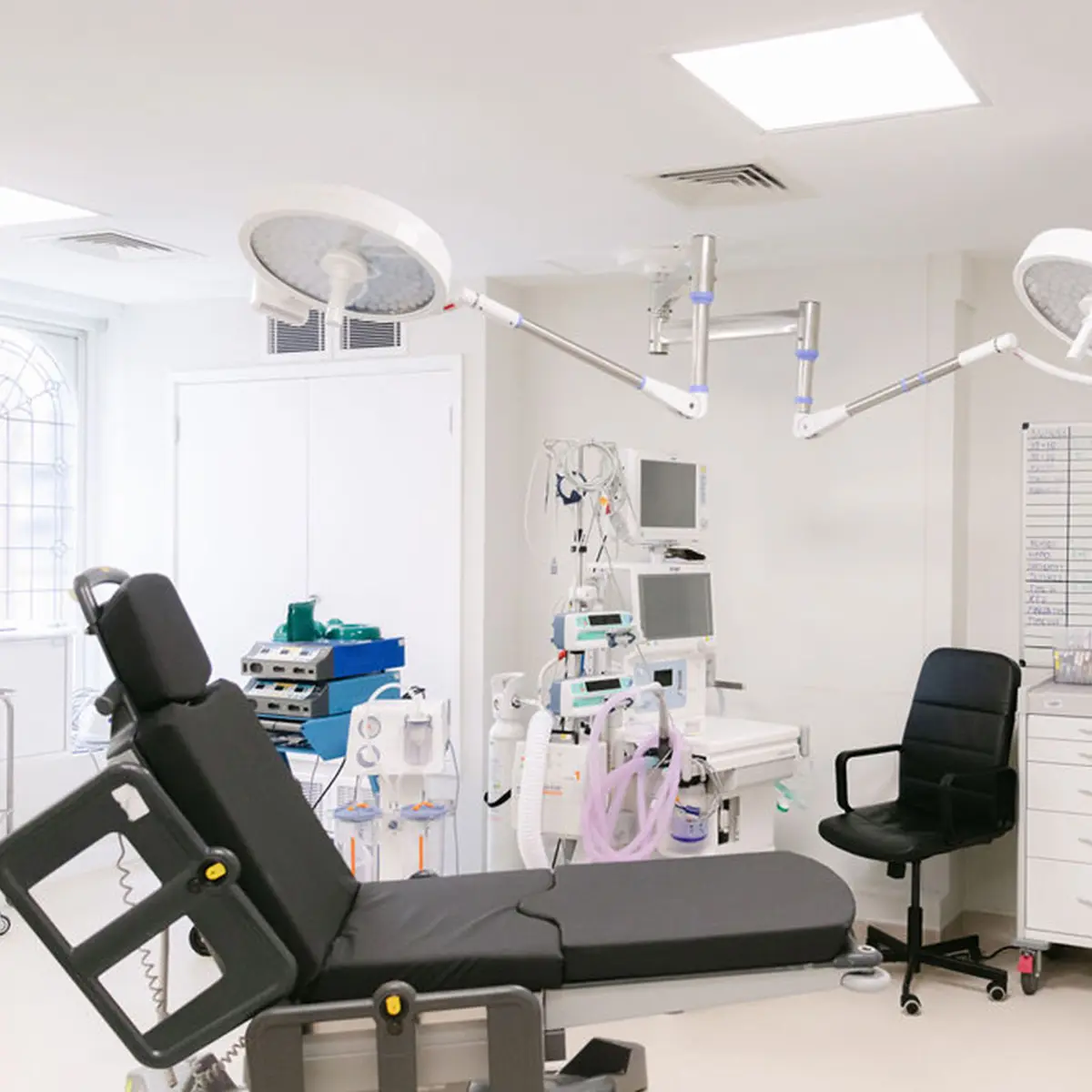
theatre-101-harley

Book a Hernia consultation at 101 Harley Street

If you have noticed a bulge, discomfort, or symptoms that may suggest a hernia, early assessment can help clarify the cause and determine whether treatment is needed.

At 101 Harley Street, patients receive expert evaluation and personalised treatment planning in a discreet, supportive setting, with surgical options tailored to individual needs and lifestyle.

To discuss your symptoms or arrange a consultation with the surgical team, book your consultation with our friendly team of doctors today.

Book a Consultation

Hernia Frequently Asked Questions

When should I worry about hernia pain?

You should seek urgent medical attention if you develop sudden severe pain, vomiting, fever, redness around the hernia, or a bulge that becomes firm and cannot be pushed back in.

These symptoms may indicate a strangulated or incarcerated hernia.

How long does hernia surgery take?

Most hernia procedures take approximately 30 minutes to two hours depending on the type and complexity of repair being performed.

Many patients return home the same day.

Can a hernia heal without surgery?

In most cases, no. Hernias do not usually repair themselves naturally and may gradually worsen over time.

Some smaller hernias can be monitored initially, but persistent or symptomatic hernias often require surgical repair eventually.

What is the recovery time for hernia repair?

Recovery timelines vary, but many patients return to office-based work within one to two weeks.

More strenuous exercise and lifting restrictions may remain in place for several weeks depending on the surgery performed.

Is hernia surgery covered by insurance?

Many private medical insurance providers cover hernia surgery where medically appropriate, although coverage varies between policies.

Patients are advised to check directly with their insurer regarding eligibility and authorisation requirements.

Can exercise make a hernia worse?

Heavy lifting and activities that increase abdominal pressure can sometimes worsen symptoms or make a hernia more noticeable.

Patients with suspected hernias should seek assessment before continuing strenuous activity.

Follow us on Instagram

At 101 Harley Street, our day surgery provides the best all-female team for labiaplasty procedures led by Dr Nicki Bystrzonowski, who ensures a comfortable and private experience throughout ✨

If you’ve ever wondered whether this procedure would be right for you, read the FAQs around labiaplasties at 101 Harley Street, and follow the link in our bio for more information. 

Get in touch with our amazing team to book a consultation! 

#harleystreet #labiaplasty #daysurgery #faq #101harleystreet✨✨✨A quiet moment at 101 Harley Street ✨

Where calm meets care, and every detail is designed with you in mind. Peaceful spaces, elevated experience. 🤍

#101HarleyStreet #HarleyStreet #DaySurgeryBehind the scenes ✨

Today, Dr Nicki Bystrzonowski is performing a labiaplasty with precision, care, and an all female team. Every procedure prioritises both comfort and confidence in a safe, clinical environment. 

Yesterday (April 21st) marked National Vulva Day! An important reminder to support education, reduce stigma, and empower individuals to make informed choices about their bodies. 

#101HarleyStreet #Labiaplasty #NationalVulvaDay #PatientCare #HarleyStreetA quiet moment of preparation before the work begins. ✨

#101HarleyStreet #DaySurgery #CosmeticSurgery #HarleyStreet #Theatre✨✨✨Precision in action 👁️✨

Mr Gino Vissers performing an upper blepharoplasty this morning at 101 Harley Street. Focused on subtle, natural results. @dr.ginovissers 

#Blepharoplasty #101HarleyStreet #AestheticSurgery #HarleyStreet

How can you find us?

Our surgery is located on Harley Street in Marylebone, London, within one of the world’s most prestigious and historic medical districts. Situated at 101 Harley Street, the clinic offers a discreet and refined setting in the heart of Central London, bringing together leading consultants, advanced facilities and personalised care.

We welcome patients from across the world, as well as patients travelling to London from across the UK and internationally for specialist medical, surgical and aesthetic treatments.

Our location benefits from excellent transport connections. Regent’s Park, Oxford Circus and Baker Street Underground stations are all within easy walking distance, while major London rail stations and international airports  including Heathrow, Gatwick and London City provide convenient access for national and international visitors.

Whether you are travelling from within London or further afield, our Harley Street clinic provides a calm, professional environment designed to deliver exceptional care in one of the capital’s most respected medical locations.

 

Opening hours
Monday
9 am–5 pm
Tuesday
9 am–5 pm
Wednesday
9 am–5 pm
Thursday
9 am–5 pm
Friday
9 am–5 pm
Saturday
9 am–5 pm
Sunday
Closed
101 Harley Street Day Surgery
101 Harley St, London W1G 6AH
Get directions
Speak to a specialist
Whatsapp