



101-walkthrough-sign-plant

Genioplasty explained: Cost, risks & recovery in the UK

  • Blogs
  • Face

Genioplasty is a surgical procedure that reshapes or repositions the chin bone to improve facial balance. Unlike a chin implant, it moves your own bone into a new position, creating a permanent change to chin projection or shape. It can strengthen a weak chin, reduce a prominent chin or correct asymmetry, depending on your goals.

The chin plays a bigger role in facial balance than most people realise. A recessed or overly prominent chin can throw off the proportions between the nose, lips and jawline, even when every other feature is well defined. 

For patients looking for a permanent change to the position or shape of the chin, genioplasty can be an excellent option. Before deciding whether it’s right for you, it’s important to understand how the procedure works, what recovery involves, the potential risks and the costs you can expect. 

What is genioplasty and how does it work?

Unlike dermal filler, which adds temporary volume, genioplasty changes the position of the chin bone itself, making it a permanent solution for suitable candidates. 

During the procedure, a cut is made in the lower jawbone, usually through a small incision inside the mouth, and the chin segment is then moved forward, backward, up or down before being secured in its new position using small titanium plates and screws while the bone heals. Because the procedure reshapes your own bone rather than adding an implant, the results are permanent and typically look very natural, without the risk of an implant shifting beneath the skin.

Genioplasty can correct a weak or receding chin, reduce a chin that projects too far forward, or address asymmetry where one side sits lower or further forward than the other. Depending on the individual, the aim is usually to create either:

  • A stronger, more defined profile, 
  • Or a softer, better-balanced one.
Learn More
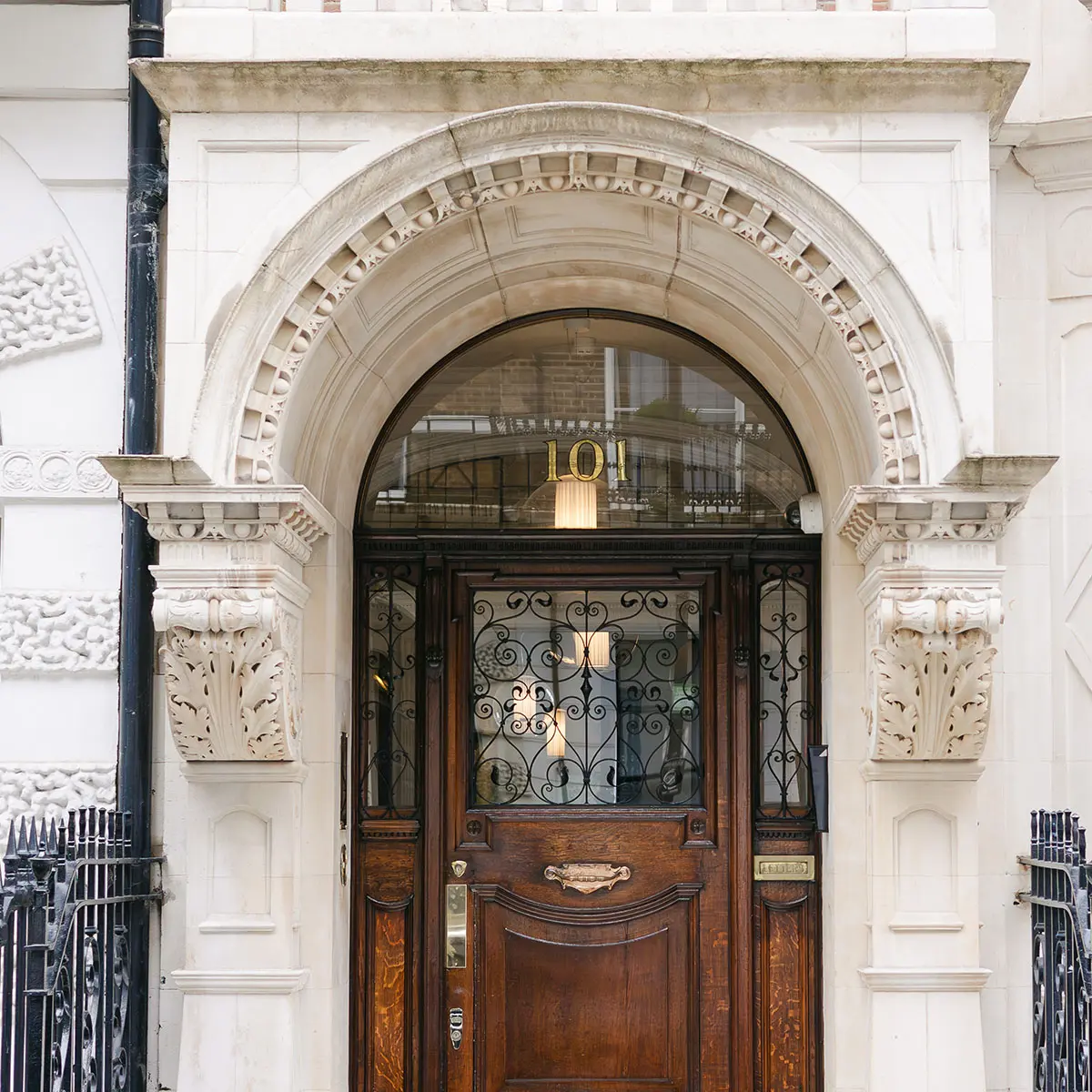
101-doorway-arch
Duncan-Brennand

What is “sliding genioplasty”?

“Sliding genioplasty” is the most common form of the procedure, and the term is usually used interchangeably with genioplasty. 

The surgeon makes a horizontal cut across the chin bone, then slides the separated segment forward, backward or vertically into the planned position. It’s typically performed under general anaesthetic through an incision inside the lower lip, so there’s no visible external scarring. 

As the bone heals, it fuses into its new position, creating a stable, long-lasting result.

Discover Genioplasty
101-harleys-street
doctor-performing-surgery

Genioplasty vs chin implants

Both procedures can improve facial balance, but they do so in different ways. Which is most suitable depends on your anatomy, your goals and whether the concern relates to chin projection, shape or facial symmetry.

Comparison

FeatureSliding Genioplasty Chin Implant

How it works

Repositions your own chin bone

Adds a silicone implant over the existing chin bone

Best for

Receding, prominent or asymmetrical chins requiring structural correction

Mild to moderate chin augmentation where bone repositioning isn't needed

Material used

Your natural bone

Medical-grade silicone implant

Scarring

Incision usually inside the mouth, so no visible external scar

Usually inside the mouth or beneath the chin, depending on the technique

Permanence

Permanent repositioning of the chin bone

Long-lasting but implant can be removed or replaced if necessary

Corrects asymmetry?

Yes – can address asymmetry as well as projection

Limited; mainly increases chin projection

Recovery

Typically 1–2 weeks off work; final results develop over 3–6 months

Similar initial recovery, though healing varies depending on the approach used

Ideal candidate

Patients needing a significant or structural change to chin position

Patients seeking a straightforward increase in chin projection

Speak to an expert

How much does genioplasty cost in the UK?

Genioplasty is usually performed privately in the UK, as it is not routinely available on the NHS unless there is a functional or reconstructive indication. 

The overall cost depends on the complexity of the procedure, your surgeon’s experience, the hospital fees and whether genioplasty is performed alongside another facial procedure. As a general guide, private clinics in the UK typically charge:

Procedure Typical UK Cost
Sliding genioplasty £3,000–£9,500
Chin implant (alternative to genioplasty) £4,500–£7,150
Combined genioplasty with other facial surgery Higher, case-dependent

These figures usually cover the surgeon’s fee, theatre time, anaesthesia and initial aftercare, but always ask for an itemised quote so you can compare clinics like for like. At 101 Harley Street, pricing is confirmed at consultation once your surgeon has assessed your anatomy and the correction needed.

Book a treatment today
surgery-prep-harley-street

Is genioplasty risky?

Genioplasty has a well-established safety record when performed by an experienced surgeon, but like any surgery, it isn’t risk-free. The most common issue is temporary numbness or tingling in the lower lip and chin, caused by irritation of the mental nerve; this typically resolves within weeks to a few months. 

Less commonly, patients may experience infection, bleeding, delayed bone healing, or a small chance of permanent altered sensation if the nerve is more significantly affected. Because the procedure involves cutting and repositioning bone, it also carries the general risks of any surgery under general anaesthetic.

Although complications are uncommon, every surgical procedure carries some degree of risk. Your surgeon will explain these in detail during your consultation and discuss how they’re minimised in your individual case.

Genioplasty recovery

Recovery from genioplasty is generally straightforward, although the first week is when swelling and discomfort are most noticeable. Most patients return to normal activities gradually over the following few weeks.

Timeline

Recovery timeline What to expect

Week 1

Swelling and bruising are at their most noticeable. You'll usually need a soft or liquid diet while the incision inside the mouth begins to heal.

Weeks 2–4

Swelling gradually subsides, and many patients feel comfortable returning to work and normal social activities. Light exercise can usually be resumed, following your surgeon's advice.

Months 3–6

Residual swelling continues to settle, revealing your final result as the chin fully heals into its new position.

Learn More

Who is genioplasty most suitable for?

There’s no single ideal age for genioplasty, but surgeons generally recommend waiting until facial bone growth is complete, usually by the late teens for women and early twenties for men, before undergoing chin surgery for aesthetic reasons. 

Once facial growth is complete, most healthy adults can be suitable candidates, provided they have realistic expectations and their concerns relate to the position of the chin bone rather than something that could be addressed with dermal fillers or another non-surgical treatment.

Your surgeon will confirm suitability, including bone maturity, at your consultation.

Talk to us about genioplasty
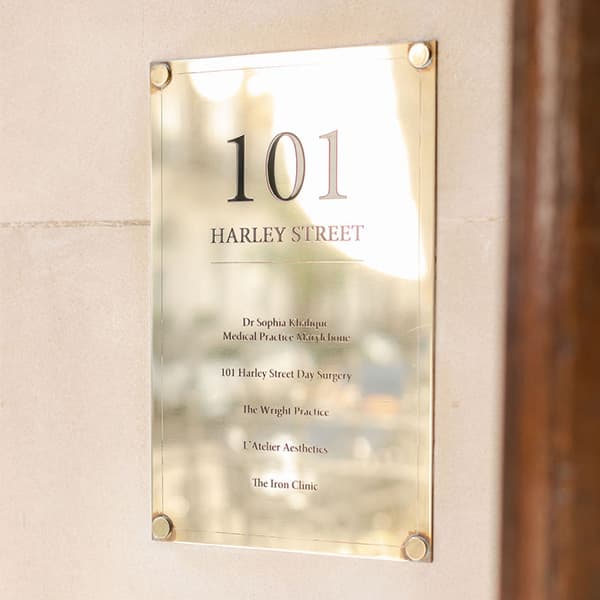
101-Harley-street-brass-plate

Frequently Asked Questions: Genioplasty

Ask us your question
What does genioplasty do?

It reshapes or repositions the chin bone to correct a weak, receding, overly prominent, or asymmetrical chin, improving overall facial balance.

How much does genioplasty cost in the UK?

Sliding genioplasty typically costs £3,000–£9,500, depending on complexity, surgeon experience and whether it’s combined with other procedures.

Is genioplasty risky?

It carries the general risks of any surgery under general anaesthetic, plus a chance of temporary numbness from nerve irritation. Serious or permanent complications are uncommon with an experienced surgeon.

What is the best age for genioplasty?

Most surgeons recommend waiting until facial bone growth is complete, around the late teens to early twenties, though there’s no strict upper age limit for suitable candidates.

Considering genioplasty? 

If you’re unhappy with the size, shape or position of your chin, genioplasty can provide a permanent solution that improves facial harmony by reshaping your own bone. 

Whether you’re hoping to strengthen a weak chin, reduce a prominent one or improve facial symmetry, the first step is understanding which approach will achieve the most balanced, natural-looking result for your face.

At 101 Harley Street, your consultation includes a detailed assessment of your facial proportions, discussion of your treatment goals and a personalised recommendation based on your individual needs. Where appropriate, your surgeon will also explain whether sliding genioplasty or an alternative procedure, such as chin augmentation, is likely to achieve the best outcome.

Book a consultation
clinic-equipment
Duncan-Brennand-portrait

Follow us on Instagram

Preparing for your day surgery ✨

Swipe through for our simple step-by-step guide to help you feel prepared and ready for your procedure at 101 Harley Street. If you have any questions, our team is always here to help.

#101HarleyStreet #HarleyStreet #DaySurgery #PatientCare #CosmeticSurgeryEvery patient’s journey starts here 🤍

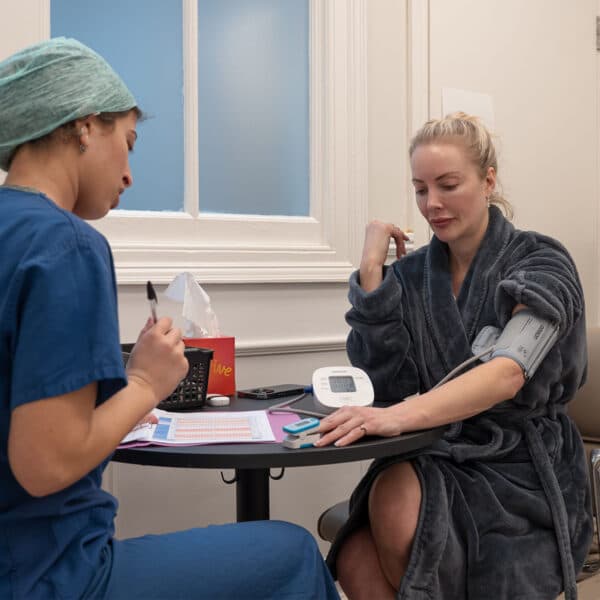
Our pre-op room is where you’ll meet your nurse, ask any final questions, and take a moment to relax before your procedure.
We’re here to make sure you feel informed, comfortable and cared for from the very beginning.

#aestheticsurgeryuk #daysurgerylondon #londoncosmeticsurgery #harleystreetsurgeon #101harleystreet101 bringing the fun to @tasteoflondon 🍹🌮A glimpse inside our theatre today at 101 Harley Street, where Mr Arda Kucukguven is performing a complex revision rhinoplasty procedure with rib grafting. 

We are proud to support leading surgeons with our state-of-the-art facilities and a dedicated clinical team, delivering exceptional standards of care for every patient. ✨

#101HarleyStreet #DaySurgery #Rhinoplasty #PatientCare #HarleyStreetAt 101 Harley Street, our day surgery provides the best all-female team for labiaplasty procedures led by Dr Nicki Bystrzonowski, who ensures a comfortable and private experience throughout ✨

If you’ve ever wondered whether this procedure would be right for you, read the FAQs around labiaplasties at 101 Harley Street, and follow the link in our bio for more information. 

Get in touch with our amazing team to book a consultation! 

#harleystreet #labiaplasty #daysurgery #faq #101harleystreet✨✨✨

How can you find us?

Our surgery is located on Harley Street in Marylebone, London, within one of the world’s most prestigious and historic medical districts. Situated at 101 Harley Street, the clinic offers a discreet and refined setting in the heart of Central London, bringing together leading consultants, advanced facilities and personalised care.

We welcome patients from across the world, as well as patients travelling to London from across the UK and internationally for specialist medical, surgical and aesthetic treatments.

Our location benefits from excellent transport connections. Regent’s Park, Oxford Circus and Baker Street Underground stations are all within easy walking distance, while major London rail stations and international airports  including Heathrow, Gatwick and London City provide convenient access for national and international visitors.

Whether you are travelling from within London or further afield, our Harley Street clinic provides a calm, professional environment designed to deliver exceptional care in one of the capital’s most respected medical locations.

 

Opening hours
Monday
9 am–5 pm
Tuesday
9 am–5 pm
Wednesday
9 am–5 pm
Thursday
9 am–5 pm
Friday
9 am–5 pm
Saturday
9 am–5 pm
Sunday
Closed
101 Harley Street Day Surgery
101 Harley St, London W1G 6AH
Get directions
Speak to a specialist
Whatsapp
Genioplasty in the UK: Cost, Risks and Recovery | 101 Harley Street