
Do I Need Upper or Lower Blepharoplasty? A Surgeon's Guide to Eyelid Surgery

  • Blogs
  • Face

Upper vs Lower Blepharoplasty: What’s the Difference?

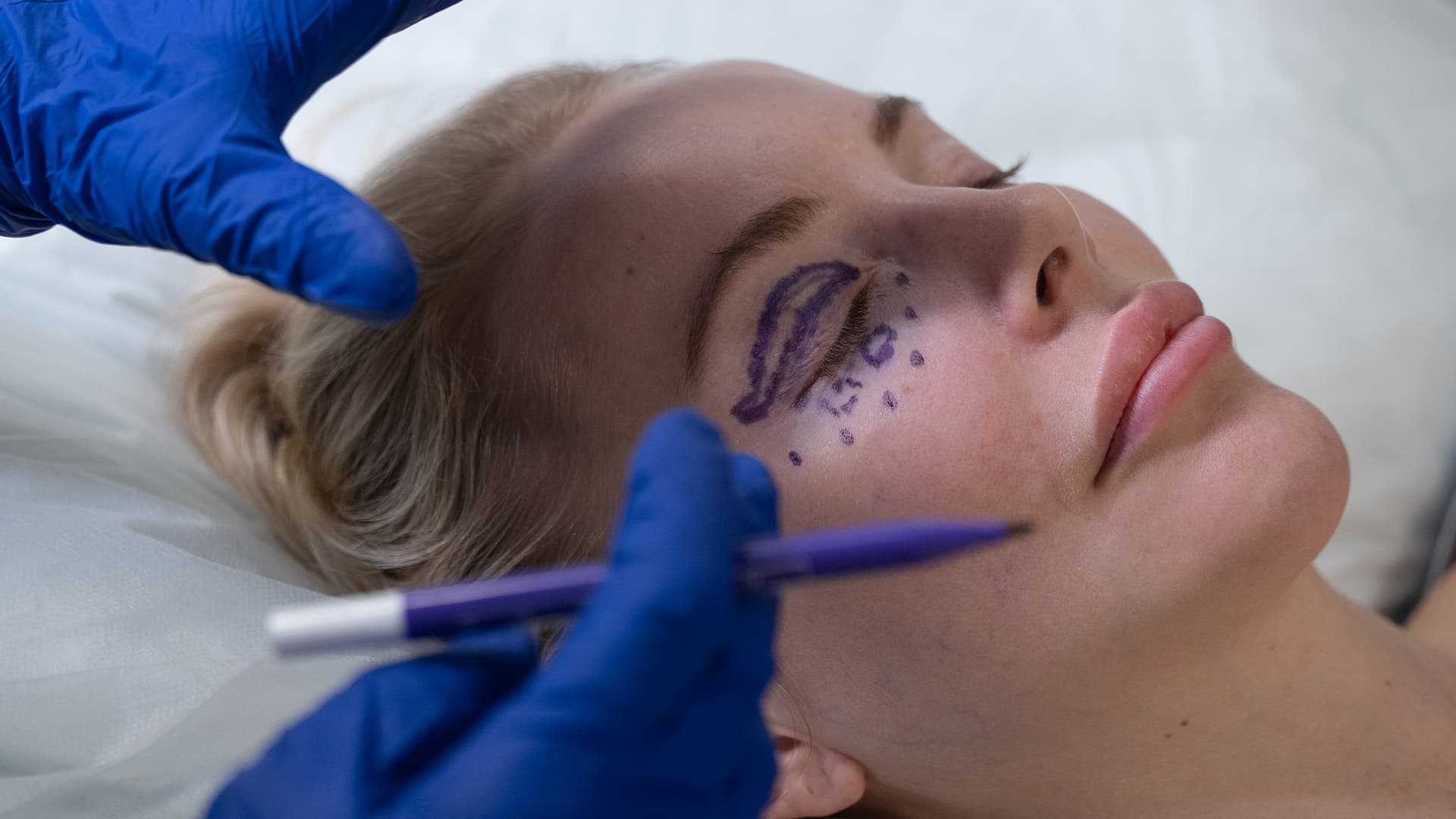
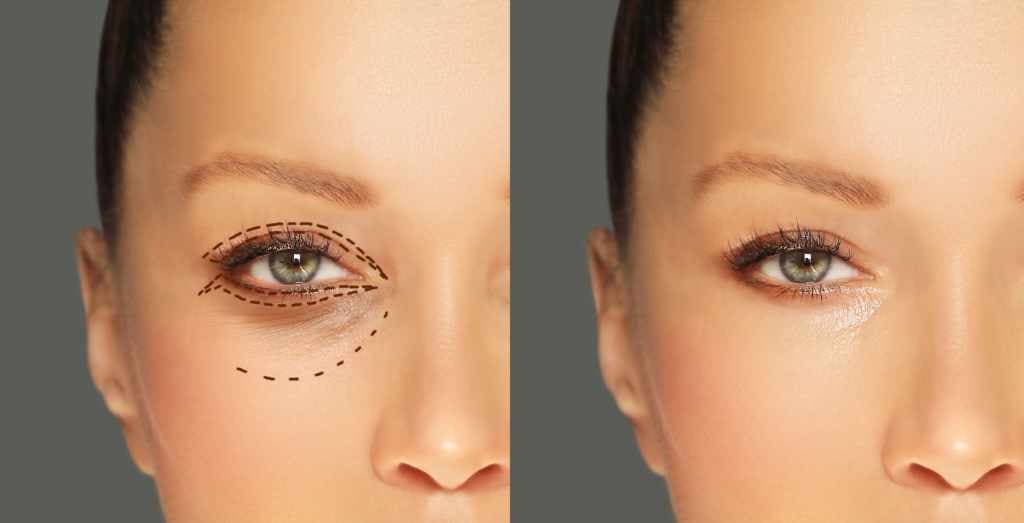
Blepharoplasty can be performed on the upper eyelids, the lower eyelids, or both. The procedures target different concerns and involve different techniques, though both share the same goal of creating a more refreshed, rested, and youthful eye area.

Upper blepharoplasty Lower blepharoplasty
Area treated Upper eyelids Lower eyelids and under-eye area
Primary concern Heavy, hooded, or drooping upper lids Under-eye bags, puffiness, loose skin
What is corrected Excess skin and fat removed or repositioned Fat repositioned or removed, skin tightened
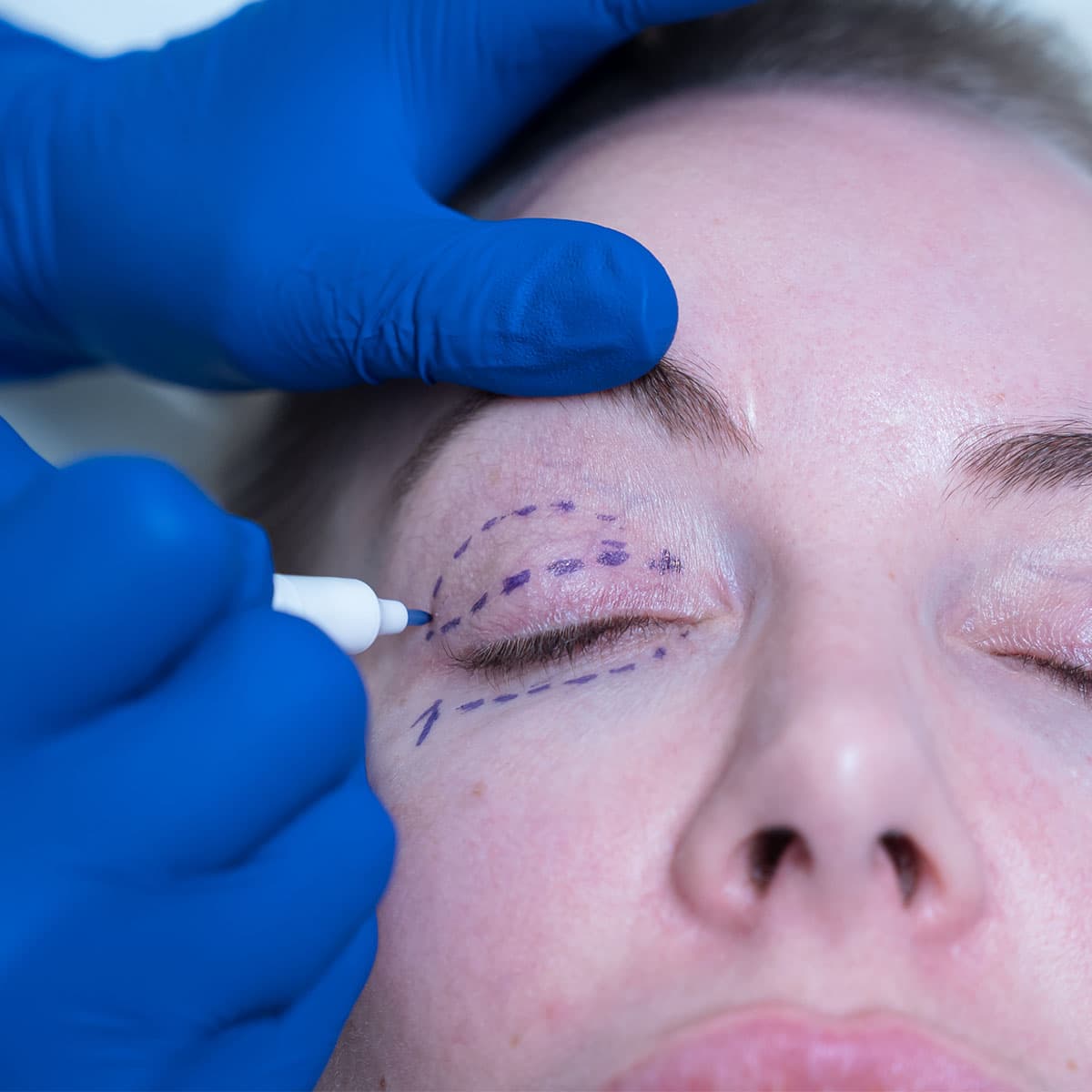
Incision placement Within the natural upper eyelid crease Just below the lower lash line or inside the lower lid
Visible scarring Concealed within the eyelid crease Minimal to none depending on technique
Can affect vision Yes, in significant cases No
Best suited to Patients with hooded or tired-looking upper lids Patients who look consistently tired due to under-eye bags
Can be combined Yes, frequently combined with lower blepharoplasty Yes, frequently combined with upper blepharoplasty
More Detail

Signs You Might Need Upper Blepharoplasty

Upper blepharoplasty is suited to patients whose primary concern is the upper eyelid area. You may benefit from upper blepharoplasty if you:

  • Have excess skin on the upper eyelids that folds over the lash line
  • Feel your upper eyelids look heavy, hooded, or drooping
  • Notice your eyes look smaller or more closed than they used to
  • Find yourself raising your eyebrows habitually to compensate for heavy upper lids
  • Have upper eyelid skin that is beginning to obstruct your peripheral vision or field of sight
  • Feel your expression looks tired, stern, or older than you feel
  • Want a more open, defined eye shape without altering your natural appearance

Upper blepharoplasty is one of the most effective procedures for restoring a brighter, more alert eye area. Because the incision sits within the natural eyelid crease, the scar is very well concealed once healed and the result looks natural rather than surgically altered.

It is worth noting that upper eyelid heaviness is not always caused by excess eyelid skin alone. In some patients, brow descent contributes significantly to the appearance of hooded upper lids. Your surgeon at 101 Harley Street will assess whether the concern originates in the eyelid itself or the brow position, as this affects whether blepharoplasty, a brow lift, or a combination of both is the most appropriate procedure.

Learn More
theatre-101-harley

Signs You Might Need Lower Blepharoplasty

Lower blepharoplasty addresses the under-eye area. You may benefit from lower blepharoplasty if you:

  • Have prominent under-eye bags or puffiness that are present regardless of how much sleep you get
  • Have loose, crepey, or wrinkled skin beneath the eyes
  • Look consistently tired or older than you feel due to the under-eye area
  • Have dark shadows caused or worsened by under-eye puffiness
  • Feel the area beneath your eyes makes you look aged even when the rest of your face looks well rested
  • Have tried eye creams and other topical treatments without meaningful improvement

Under-eye bags are caused by fat prolapsing forward from behind the eye, creating a visible bulge beneath the lower lid. This is a structural concern that topical treatments cannot address. Lower blepharoplasty removes or repositions this fat and, where needed, tightens the lower eyelid skin to create a smoother, more rested appearance.

The procedure leaves very little visible scarring. The incision is placed just below the lower lash line or, in some cases, inside the lower lid entirely (transconjunctival approach), leaving no external cut at all. The transconjunctival approach is typically used where fat repositioning is the primary goal and there is no significant skin laxity to address.

Explore blepharoplasty

Can You Have Both Done Together?

Yes, and it is one of the most commonly performed combinations at 101 Harley Street. Many patients present with concerns in both the upper and lower eyelid areas, and addressing both in a single procedure is a practical and efficient approach.

Combining upper and lower blepharoplasty means a single anaesthetic, a single recovery period, and a more comprehensive rejuvenation of the entire eye area than either procedure could achieve alone. The total surgery time is typically still within the 1 to 2 hour range, and patients go home the same day.

From a results perspective, addressing both areas together produces a more harmonious outcome. Upper blepharoplasty that opens up the lid without addressing under-eye bags can draw attention to the lower area, and vice versa. Treating both creates a balanced, naturally refreshed eye that looks rested from every angle.

Your surgeon at 101 Harley Street will assess both areas at consultation and advise on whether a combined approach is appropriate for your individual anatomy and goals.

Results You Can Expect

Blepharoplasty produces results that, when performed well, look entirely natural. The aim is not a dramatically different appearance but eyes that look rested, refreshed, and more in keeping with how you feel.

Realistic outcomes from upper blepharoplasty:

  • A more open, defined upper eyelid contour
  • Reduced heaviness and hooding
  • A brighter, more alert eye appearance
  • Improved peripheral vision where skin was obstructing the field of sight
  • A result that looks natural and appropriate to your facial features

Realistic outcomes from lower blepharoplasty:

  • Significantly reduced under-eye bags and puffiness
  • A smoother, less crepey lower eyelid contour
  • A more rested and refreshed under-eye appearance
  • Reduced shadowing caused by lower lid puffiness

What blepharoplasty cannot achieve:

  • Correction of dark circles caused by pigmentation rather than structural puffiness
  • Removal of fine lines caused by skin texture rather than loose skin
  • Changes to the brow position or mid-face
  • A permanent halt to the ageing process

Initial improvement is visible at around two weeks as swelling and bruising settle. Final results are apparent at 3 to 6 months as all residual swelling resolves and the eyelid contours fully settle.

Read More
101-Harley-street-brass-plate

Recovery Timeline

Days 1 to 3 — Go home the same day. Swelling, bruising, and mild discomfort around the eyes are normal and expected. Keep your head elevated, apply cold compresses gently as advised, and take prescribed pain medication. Avoid reading, screens, and contact lenses during this period.

Days 4 to 7 — Swelling and bruising begin to reduce. Sutures are typically removed at around 5 to 7 days at your first review appointment. Most patients feel considerably more comfortable by the end of the first week, though the eyes may still appear puffy.

Weeks 1 to 2 — Most patients return to work and light daily activities at around one week. Visible bruising has largely resolved by the end of week two. Avoid strenuous exercise and anything that raises blood pressure significantly.

Weeks 2 to 4 — Normal daily activities and light exercise resume progressively. The eyes continue to open up and improve as residual swelling resolves.

6 Weeks — Most patients have returned to all activities. The eyes look significantly more open and refreshed at this stage.

3 to 6 Months — Final results are fully visible. All residual swelling has resolved and the eyelid contours have settled into their improved position.

Blepharoplasty vs Brow Lift: Which Do You Need?

This is one of the most common questions at consultation, and it matters because the wrong procedure will not achieve the desired result. The key is identifying where the heaviness originates.

If the heaviness comes from the upper eyelid skin itself — excess skin that has accumulated directly on the lid — upper blepharoplasty is the appropriate procedure. The concern originates in the eyelid and that is where it should be addressed.

If the heaviness comes from brow descent — the brow has dropped from its natural position and is pushing excess skin down onto the upper lid — a brow lift is the more appropriate procedure. Removing upper eyelid skin in this scenario without lifting the brow may produce a result that looks tight rather than refreshed, and the heaviness may return as the brow continues to descend.

If both are contributing — which is common in patients over fifty — a combined blepharoplasty and brow lift addresses both the eyelid skin and the underlying brow position in a single procedure for a more comprehensive and lasting result.

A practical self-assessment: place your fingertips gently above your brows and lift them slightly. If this makes your upper eyelids look significantly less heavy, brow descent is likely a contributing factor and a brow lift consultation is appropriate. If the heaviness remains in the lid itself regardless of brow position, blepharoplasty is likely the primary solution.

Your surgeon at 101 Harley Street will assess both the eyelid and brow position at consultation and give you a clear recommendation based on your individual anatomy.

Book a consultation
window-plants
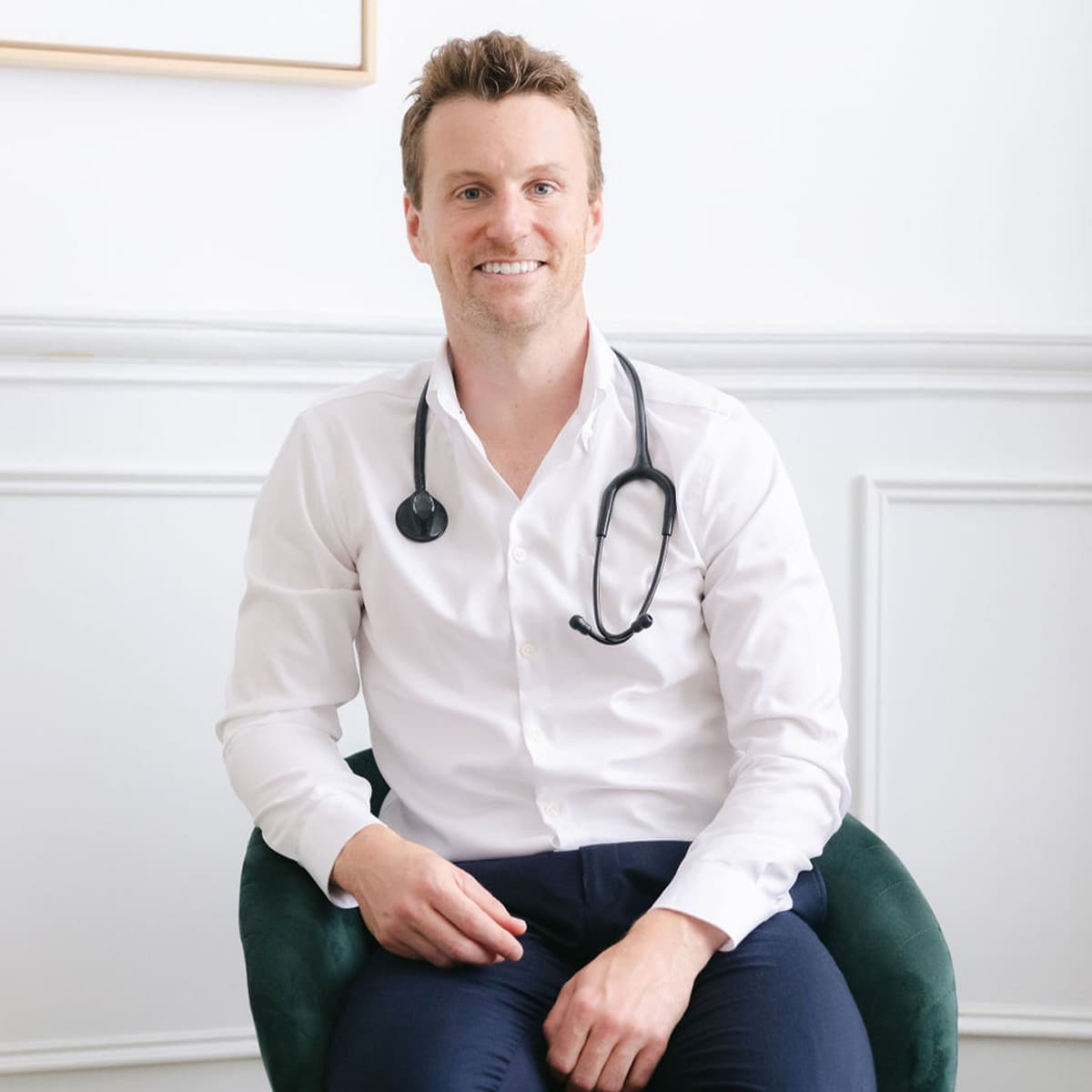
team-101-hs

Frequently Asked Questions: Blepharoplasty

Can blepharoplasty help with dark circles?

Blepharoplasty can improve the appearance of dark circles where they are caused or worsened by under-eye puffiness. By removing or repositioning the fat creating the bags, the shadowing beneath the eye is reduced and the dark appearance improves. However, dark circles caused primarily by skin pigmentation, thin skin, or vascular visibility beneath the lower lid are not corrected by blepharoplasty and may require different treatments such as skin resurfacing or topical interventions. Your surgeon will assess the cause of your under-eye concerns at consultation and advise accordingly.

What is blepharoplasty and is it suitable for me?

Blepharoplasty is a surgical procedure that removes or repositions excess skin, fat, and tissue around the eyes to create a more refreshed and youthful appearance. It can be performed on the upper eyelids, lower eyelids, or both. It is suitable for patients experiencing heavy or hooded upper lids, under-eye bags, loose lower eyelid skin, or a consistently tired appearance around the eyes. Suitability is assessed at consultation with your surgeon at 101 Harley Street, who will examine your eyelid anatomy, skin quality, and brow position before recommending the most appropriate approach.

How long does blepharoplasty take?

Blepharoplasty at 101 Harley Street typically takes between 1 and 2 hours, depending on whether one or both eyelids are being treated. It is performed as a day case under local anaesthetic with sedation or general anaesthetic, meaning you go home the same day. The anaesthetic option most appropriate for you will be discussed at your pre-operative consultation.

Is blepharoplasty painful?

Blepharoplasty is performed under anaesthetic, so you will not experience pain during surgery. Some swelling, bruising, and mild discomfort around the eyes in the days following the procedure are normal. Most patients find any post-operative discomfort well managed with prescribed pain medication and describe it as significantly less than they anticipated. The area around the eyes can feel tight and the lids may feel dry or sensitive during the first week of recovery.

How long do the results of blepharoplasty last?

Blepharoplasty produces long-lasting results. The excess skin removed from the upper lids does not return, and the fat repositioned or removed from the lower lids maintains its new position. Natural ageing will continue after surgery, but from a more youthful baseline. Most patients enjoy their results for many years, often a decade or more, before any further intervention might be considered. Protecting the skin around the eyes from sun exposure and maintaining a healthy lifestyle supports the longevity of results.

Will blepharoplasty affect my vision?

Blepharoplasty does not affect vision in a negative way. In patients where excess upper eyelid skin has been obstructing the peripheral field of sight, upper blepharoplasty can actually improve functional vision by removing the obstruction. The procedure does not involve the eye itself and carries no risk to eyesight when performed by an experienced surgeon. Some temporary dryness or sensitivity of the eyes is common during the first week of recovery as the eyelids heal.

Can blepharoplasty be combined with other procedures?

Yes. Blepharoplasty is frequently combined with other facial procedures at 101 Harley Street. The most common combination is with a brow lift, which addresses both the eyelid skin and the underlying brow position for a more comprehensive upper face result. It can also be combined with a facelift, endoscopic facelift, or other facial rejuvenation procedures. Combining procedures means a single anaesthetic and a single recovery period. Your surgeon will discuss whether a combined approach is appropriate for your goals at consultation.

Is there a non-surgical alternative to blepharoplasty?

Non-surgical treatments such as radiofrequency skin tightening, plasma treatments, and laser resurfacing can improve mild skin laxity and texture around the eyes. However, they cannot remove excess skin, reposition fat, or produce the structural improvement that blepharoplasty achieves. For patients with mild concerns who are not ready for surgery, non-surgical options may provide worthwhile improvement. For patients with moderate to significant eyelid skin excess or under-eye bags, surgery is likely to be the more effective and lasting solution. Your surgeon at 101 Harley Street can discuss both options at consultation.

How soon after blepharoplasty can I wear makeup?

Most patients can return to wearing eye makeup at around 7 to 10 days following blepharoplasty, once the sutures have been removed and the incision sites have closed sufficiently. Your surgeon will confirm the appropriate timing based on your healing progress at your post-operative review. Makeup can be useful during recovery to cover any residual bruising around the eyes during the period before it fully resolves.

Will my eyes look different when I smile after blepharoplasty?

Blepharoplasty removes excess skin and repositions fat but does not alter the movement or expression of the eyelids. Your eyes will continue to move and express naturally after surgery. The result should look like your own eyes at their best, not a surgically altered version. A well-performed blepharoplasty preserves the natural character of the eye area while removing the specific concerns that were causing a tired or aged appearance.

What is the transconjunctival approach to lower blepharoplasty?

The transconjunctival approach is a technique for lower blepharoplasty in which the incision is made on the inner surface of the lower eyelid, inside the lid, rather than below the lash line. This leaves no visible external scar at all. It is particularly suited to patients whose primary concern is under-eye fat prolapse (bags) without significant skin laxity, as the fat can be accessed and repositioned or removed through the internal incision. Your surgeon at 101 Harley Street will advise on whether the transconjunctival or external approach is most appropriate for your anatomy at consultation.

Follow us on Instagram

A quiet moment of preparation before the work begins. ✨

#101HarleyStreet #DaySurgery #CosmeticSurgery #HarleyStreet #Theatre✨✨✨Precision in action 👁️✨

Mr Gino Vissers performing an upper blepharoplasty this morning at 101 Harley Street. Focused on subtle, natural results. @dr.ginovissers 

#Blepharoplasty #101HarleyStreet #AestheticSurgery #HarleyStreetWhere calm meets care ✨
Our beautiful waiting room at 101 Harley Street - designed to make your experience as comfortable and reassuring as possible before your day surgery. 🤍

#HarleyStreet #DaySurgery #PatientCare #101HarleyStreetStep inside our theatre space ✨
Where expertise, precision, and compassion come together in our day surgery unit at 101 Harley Street. Because every detail matters. 
#101HarleyStreet #DaySurgery #Theatre✨✨✨Pre-op checks, done with care 🤍

Ensuring every patient is ready, comfortable, and in safe hands.

#DaySurgery #PatientSafety #HarleyStreet #101HarleyStreet✨ Meet Rebecca – Patient & Operations Coordinator ✨

From your very first enquiry through to post-operative care, Rebecca is your dedicated point of contact at 101 Harley Street.

She is here to:
	•	Guide you through the entire surgical journey
	•	Answer every enquiry with clarity and care
	•	Coordinate pre- and post-operative support
	•	Ensure our surgeons are fully supported, so your experience runs seamlessly

📱 WhatsApp: 07307 447168
📧 Email: clientcare@101hs.co.uk

Your journey starts and continues, with Rebecca 🤍

How can you find us?

Our surgery is located on Harley Street in Marylebone, London, within one of the world’s most prestigious and historic medical districts. Situated at 101 Harley Street, the clinic offers a discreet and refined setting in the heart of Central London, bringing together leading consultants, advanced facilities and personalised care.

We welcome patients from across the world, as well as patients travelling to London from across the UK and internationally for specialist medical, surgical and aesthetic treatments.

Our location benefits from excellent transport connections. Regent’s Park, Oxford Circus and Baker Street Underground stations are all within easy walking distance, while major London rail stations and international airports  including Heathrow, Gatwick and London City provide convenient access for national and international visitors.

Whether you are travelling from within London or further afield, our Harley Street clinic provides a calm, professional environment designed to deliver exceptional care in one of the capital’s most respected medical locations.

 

Opening hours
Monday
9 am–5 pm
Tuesday
9 am–5 pm
Wednesday
9 am–5 pm
Thursday
9 am–5 pm
Friday
9 am–5 pm
Saturday
9 am–5 pm
Sunday
Closed
101 Harley Street Day Surgery
101 Harley St, London W1G 6AH
Get directions
Speak to a specialist
Whatsapp