

Liposuction Scars and Aftercare: What to Expect

  • Blogs
Hero gallery image 1

Authored and reviewed by Dr Duncan Brennand, Lead Aesthetic Doctor 

25 Oct 2026 | 101 Harley Street

Liposuction does leave scars, but they are usually small. The fat is removed through incisions typically only a few millimetres long, so the marks they leave tend to be modest and fade gradually over the following year. They are not invisible, though, and how they heal depends on your skin type, how you look after them and how your body repairs itself.

At 101 Harley Street, your consultant plans each incision before surgery, placing it where it will be as discreet as possible, and supports you with structured aftercare while you heal. This guide explains where incisions are placed, how scars change over time and what you can do to help them heal well.

Does liposuction leave scars?

Yes, liposuction leaves small scars, but the incisions are placed discreetly and designed to minimise visible scarring.

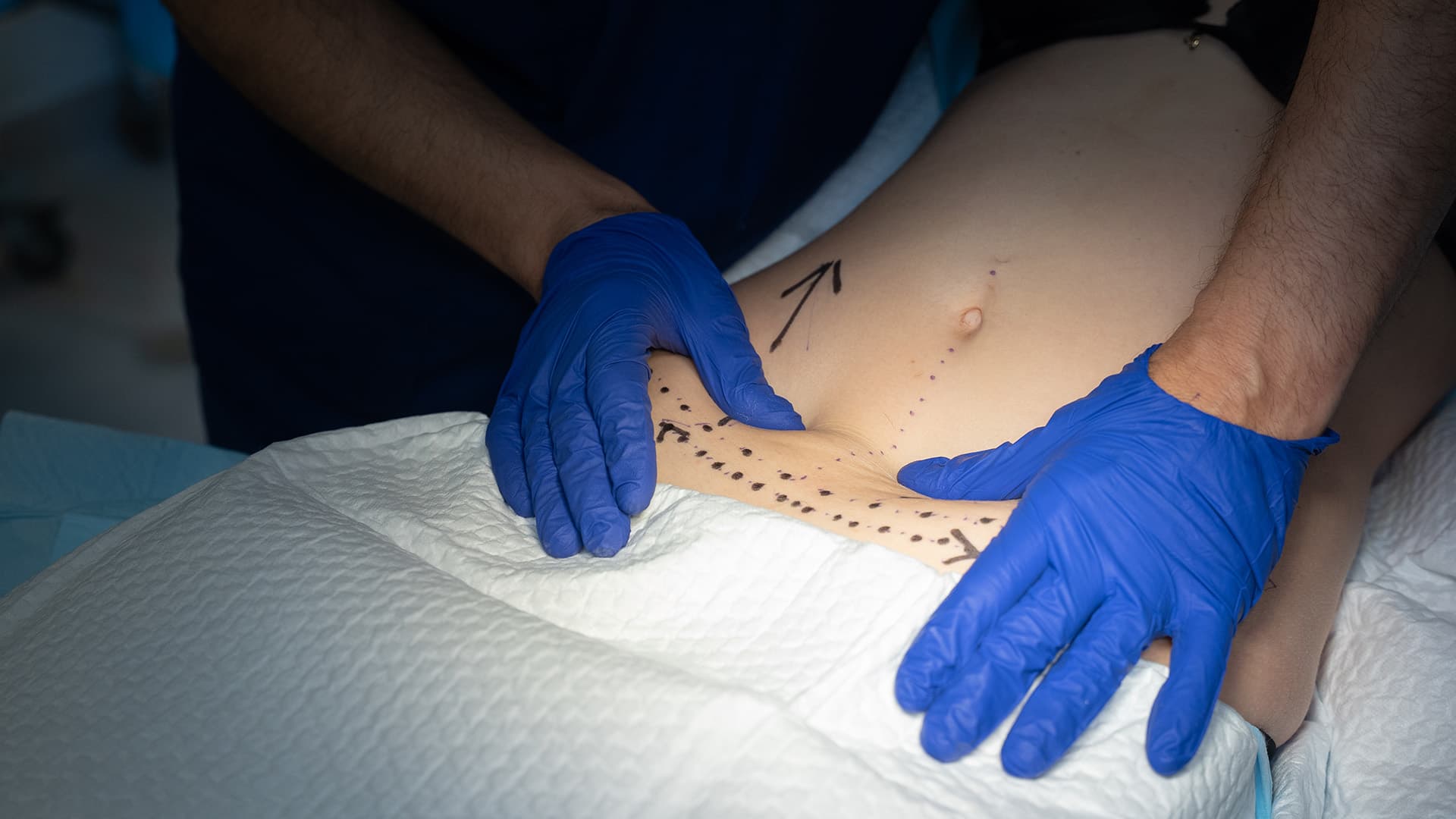
To remove fat, your surgeon inserts a thin tube called a cannula beneath the skin. Each insertion point needs a small incision, and any incision in the skin heals with a scar. Because the incisions are short and carefully positioned, the resulting scars are usually small and become less noticeable with time.

Where are liposuction incisions placed?

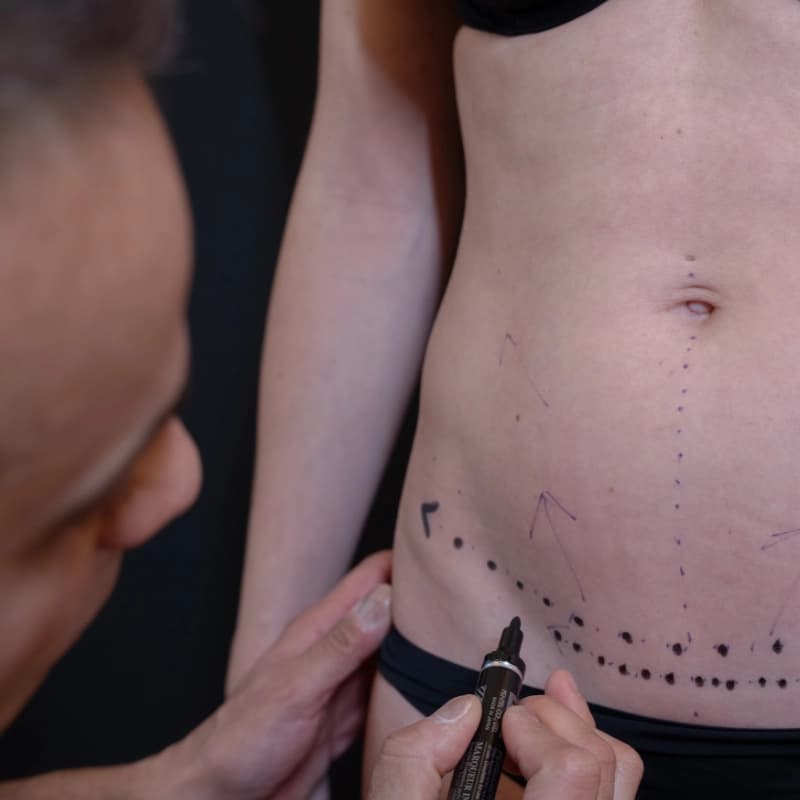
Liposuction incisions are placed in natural creases, shadows or areas usually covered by underwear, depending on the area being treated.

Treatment areaTypical incision placement

Abdomen

Inside or near the navel, or along the bikini line

Flanks

Lower back or hip area, within underwear lines

Thighs

Natural creases at the groin or buttock fold

Arms

Near the elbow or within the armpit

Chin and neck

Just under the chin, sometimes behind the earlobes

Your surgeon plans the placement at consultation, taking account of your anatomy and the clothing and underwear you usually wear.

How liposuction scars heal over time

Liposuction scars usually move from pink and slightly raised in the early weeks to flatter and paler by around 12 months.

The first two weeks

Incisions may drain a small amount of fluid for the first day or two, which is normal. They are kept clean and dressed, and closed with small stitches or adhesive strips, which your surgeon will remove or advise on at your review.

Weeks 2 to 6

Once closed, the scars often look pink or red and may feel slightly raised or firm. This is a normal part of healing.

Months 3 to 12

Scars gradually flatten, soften and fade. Most mature by around 12 months, often becoming a fine, pale mark that is much less noticeable.

Liposuction scar care: what helps

Good scar care starts with keeping incisions clean and dry, then protecting healing scars from the sun.

  • Keep incisions clean and dry, and follow your surgeon’s dressing advice.
  • Avoid direct sun on healing scars, and use a high-factor SPF once the skin has fully healed.
  • Use scar care products only if your surgeon recommends them.
  • Avoid smoking, which slows healing.
  • Avoid picking at scabs or adhesive strips.

General liposuction aftercare

Alongside scar care, wearing your compression garment, resting and moving gently all support a smooth recovery after liposuction.

You will usually wear a compression garment for several weeks to reduce swelling and support the treated areas. Drink plenty of water, take short walks from the first day or two to help circulation, and attend your review appointments so your surgeon can check your progress. For the full timeline, see our guide to liposuction recovery week by week.

Factors that affect how your scars look

Skin type, healing tendencies, age, smoking, aftercare and sun exposure all influence how liposuction scars look.

People with darker skin tones, or a personal or family history of keloid or hypertrophic (raised) scarring, may be more likely to develop thicker or darker scars. Younger skin can sometimes form more noticeable scars at first, while smoking and sun exposure can slow healing and darken scars. If you have had raised scarring before, please mention it at consultation so your surgeon can plan incisions and aftercare with this in mind.

When to contact your surgeon about a scar

Contact your surgeon if a scar shows signs of infection, opens, or keeps thickening after several months.

  • redness that spreads around an incision
  • discharge, particularly if it is cloudy or smells unpleasant
  • pain that increases rather than settles
  • an incision that opens
  • a scar that keeps thickening, itching or darkening after several months
surgery-team-square

Liposuction at 101 Harley Street

At 101 Harley Street, liposuction is planned and carried out by consultant surgeons, with incision placement and aftercare tailored to you.

Your consultant discusses your goals, examines the areas to be treated and plans discreet incision sites before surgery. Procedures take place in our day-surgery setting on Harley Street, London, with structured follow-up appointments as you heal.

Book a consultation

Frequently asked questions

Does liposuction leave scars?

Yes. Liposuction leaves small scars where the cannula is inserted, as any incision in the skin heals with a scar. The incisions are usually only a few millimetres long and are placed in discreet areas, such as natural creases or within underwear lines, to minimise visible scarring. Most scars fade to fine, pale marks over around 12 months, although they do not disappear entirely. Your surgeon will explain where your incisions will be at consultation.

How big are liposuction scars?

Liposuction incisions are usually only a few millimetres long, often around the size of a grain of rice, which is just large enough for the cannula to pass through. The number of incisions depends on how many areas are treated and their size. Once healed, the scars are typically small, flat marks. Their final appearance depends on your skin type, how you heal and how carefully the incisions are looked after while healing.

Do liposuction scars go away completely?

Liposuction scars do not usually disappear completely, but for most people they fade to small, pale marks that are much less noticeable. Scars are often pink and slightly raised in the first few weeks, then gradually flatten and lighten over the following months. Most mature by around 12 months. How faint they become depends on your skin type, genetics, sun exposure and aftercare, so protecting healing scars and following your surgeon’s advice both help.

How long do liposuction scars take to fade?

Most liposuction scars fade gradually over around 12 months. In the first six weeks they often look pink or red and may feel slightly raised. Between three and twelve months they usually flatten, soften and become paler as the scar matures. Some people, particularly those with darker skin or a tendency to raised scarring, may find their scars take a little longer to settle. Avoiding sun on healing scars helps them fade more evenly.

Can liposuction scars be hidden?

In most cases, yes. Your surgeon places incisions in discreet locations wherever possible, such as inside or near the navel, along the bikini line, in natural skin creases or under the chin. Many incisions sit within areas usually covered by underwear or swimwear. At consultation, you can discuss the clothing you usually wear so your surgeon can take this into account when planning where your incisions will be placed and how they are likely to heal.

What can I do to help my liposuction scars heal?

Keep your incisions clean and dry, and follow your surgeon’s dressing advice closely in the first two weeks. Once the skin has healed, protect your scars from the sun and use a high-factor SPF, as sun exposure can darken healing scars. Avoid smoking, which slows healing, and do not pick at scabs or adhesive strips. Only use scar care products if your surgeon recommends them, and attend your review appointments so your healing can be checked.

Can liposuction scars become raised or darker?

Occasionally, yes. Some people develop hypertrophic scars, which are raised but stay within the incision, or keloid scars, which grow beyond it. Scars can also darken, particularly in darker skin tones or with sun exposure. The risk is higher if you have a personal or family history of raised scarring, so please mention this at consultation. If a scar keeps thickening or darkening after several months, contact your surgeon, as treatment options are available.

What aftercare will I receive after liposuction at 101 Harley Street?

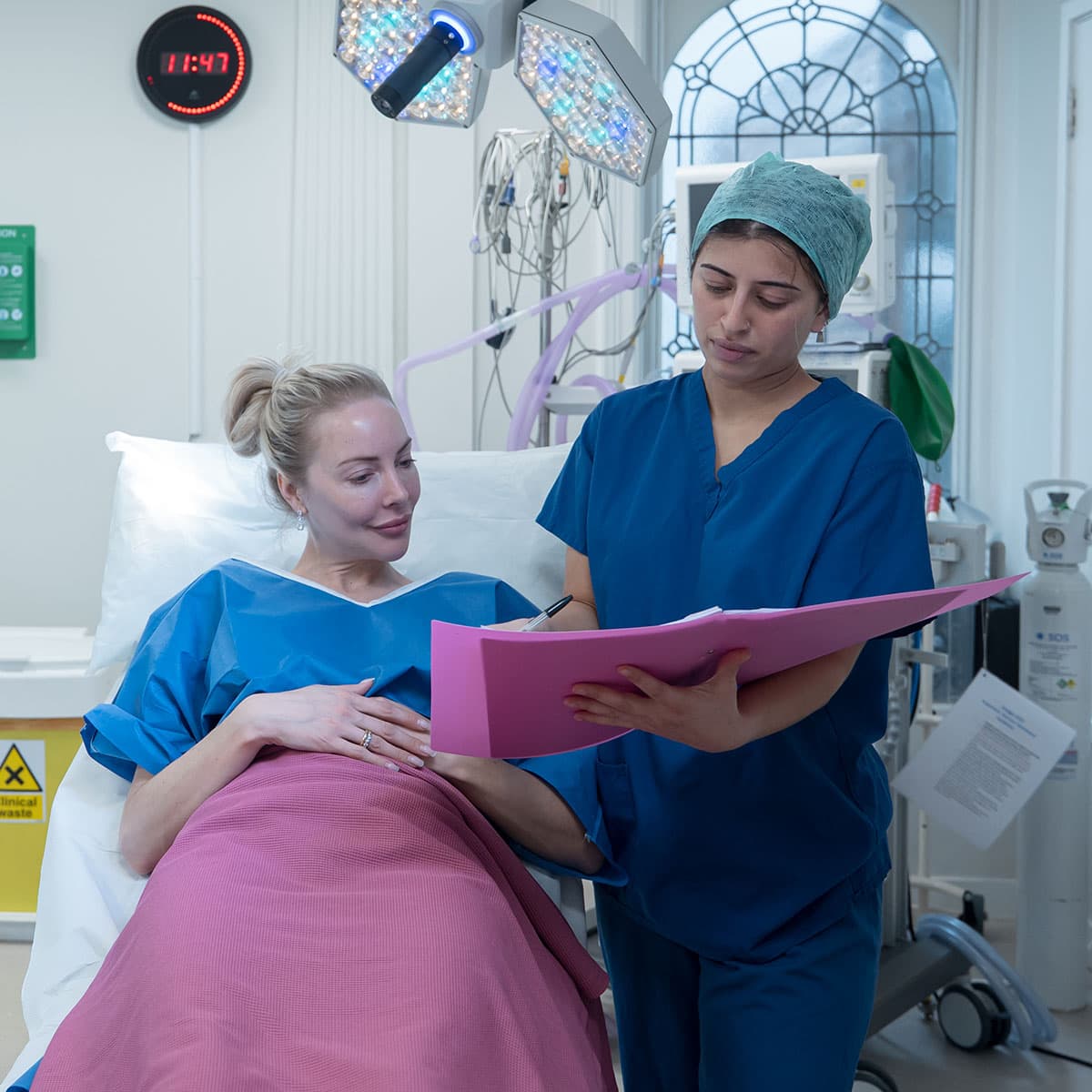
Aftercare at 101 Harley Street starts before surgery, when your consultant plans your incisions and explains how to look after them. After your procedure, you will receive clear guidance on dressings, compression garments, activity and scar care. Structured follow-up appointments let your surgeon check your incisions and overall recovery, and you can contact the team between appointments if anything concerns you. The aim is for you to feel informed and supported throughout your recovery.

Book a consultation

Scars are a normal part of any surgery, and liposuction scars are usually small, discreetly placed and fade gradually over around a year.

Careful incision planning, good aftercare and protecting your scars from the sun all help them heal as well as possible.

If you would like to discuss liposuction and what to expect from your scars, book a consultation or contact 101 Harley Street.

Book a consultation

How can you find us?

Our surgery is located on Harley Street in Marylebone, London, within one of the world’s most prestigious and historic medical districts. Situated at 101 Harley Street, the clinic offers a discreet and refined setting in the heart of Central London, bringing together leading consultants, advanced facilities and personalised care.

We welcome patients from across the world, as well as patients travelling to London from across the UK and internationally for specialist medical, surgical and aesthetic treatments.

Our location benefits from excellent transport connections. Regent’s Park, Oxford Circus and Baker Street Underground stations are all within easy walking distance, while major London rail stations and international airports  including Heathrow, Gatwick and London City provide convenient access for national and international visitors.

Whether you are travelling from within London or further afield, our Harley Street clinic provides a calm, professional environment designed to deliver exceptional care in one of the capital’s most respected medical locations.

 

Opening hours
Monday
9 am–5 pm
Tuesday
9 am–5 pm
Wednesday
9 am–5 pm
Thursday
9 am–5 pm
Friday
9 am–5 pm
Saturday
9 am–5 pm
Sunday
Closed
101 Harley Street Day Surgery
101 Harley St, London W1G 6AH
Get directions
Speak to a specialist
Whatsapp