

Laser vs radiofrequency ablation for varicose veins: Which is better?

  • Blogs
  • Face

Both endovenous laser ablation (EVLA) and radiofrequency ablation (RFA) are modern, minimally invasive treatments for varicose veins. Rather than removing the vein, both procedures seal it from the inside, allowing blood to flow through healthier veins instead. In most cases, one treatment is not inherently better than the other. The right choice depends on your vein anatomy, the results of your ultrasound scan and your vascular surgeon’s assessment.

Varicose vein treatment has changed significantly over the past two decades. Where open vein stripping was once the standard approach, most suitable patients are now treated using minimally invasive, catheter-based techniques performed under local anaesthetic.

Endovenous laser ablation and radiofrequency ablation belong to this newer generation of treatments. Although they use different forms of heat to close the affected vein, they share the same goal: treating troublesome varicose veins without the need for traditional surgery.

If you’ve been told you need treatment and you’re wondering which option is right for you, this guide explains how the two procedures compare, what recovery involves and how your surgeon decides which technique is most appropriate.

Laser vs radiofrequency ablation at a glance

Feature Endovenous Laser Ablation (EVLA) Radiofrequency Ablation (RFA)
Energy source Laser energy Radiofrequency energy
How it works A laser fibre heats and seals the vein from within A radiofrequency catheter delivers controlled heat to close the vein
Anaesthetic Usually local anaesthetic Usually local anaesthetic
Hospital stay Typically a day-case procedure Typically a day-case procedure
Recovery Walking encouraged immediately with a relatively quick recovery Walking encouraged immediately with a relatively quick recovery
Discomfort Mild tightness or bruising is common Mild tightness or bruising is common
Best suited for Depends on vein anatomy and ultrasound findings Depends on vein anatomy and ultrasound findings

Although the technologies differ, published evidence shows that both treatments produce comparable outcomes for suitable patients. In practice, your surgeon is far more likely to base the decision on the shape, size and position of your veins than on a preference for one technology over the other.

Why neither laser or radiofrequency ablation is vein stripping

Many people are surprised to learn that laser and radiofrequency ablation do not involve removing the vein at all.

Instead, both procedures use a fine catheter inserted into the affected vein under ultrasound guidance. Heat is then delivered from inside the vein, causing its walls to seal together. Over time, your body naturally absorbs the treated vein, while blood is redirected through nearby healthy veins.

Because the procedure is minimally invasive, there is no need for the long incisions associated with traditional vein stripping. Most patients have treatment under local anaesthetic, return home the same day and are encouraged to walk shortly afterwards.

This approach has transformed the treatment of varicose veins, reducing recovery times while avoiding many of the drawbacks associated with older surgical techniques.

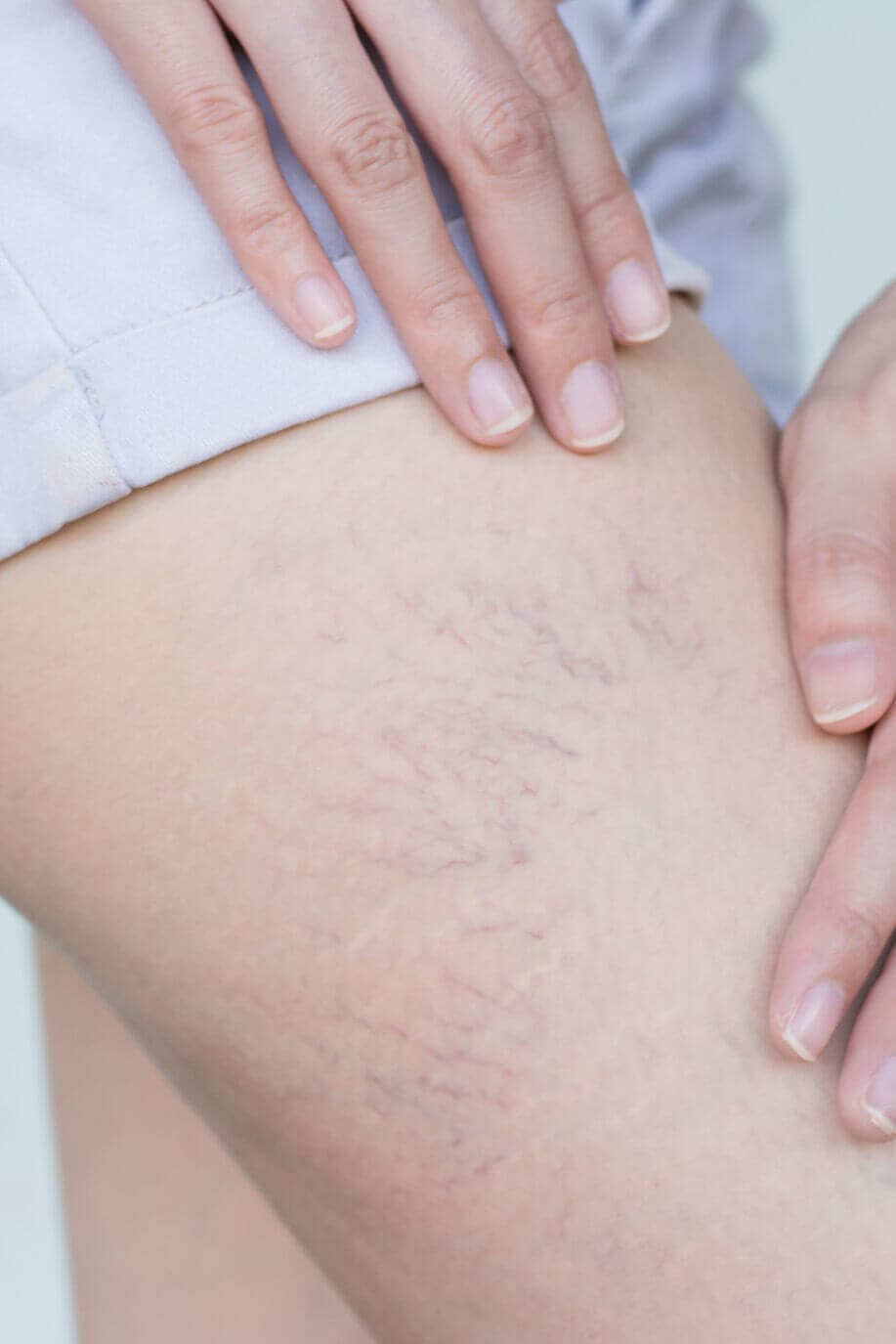
thread-veins-leg

How does endovenous laser ablation (EVLA) work?

Endovenous laser ablation, often shortened to EVLA, treats varicose veins by delivering laser energy directly into the affected vein.

Using ultrasound guidance, your surgeon inserts a thin laser fibre into the vein through a small puncture in the skin. Once the fibre is correctly positioned, controlled bursts of laser energy heat the vein wall, causing it to collapse and seal shut.

Closing the vein does not stop blood circulating around your leg. Instead, blood is naturally redirected into nearby healthy veins, which continue to carry it back towards the heart.

EVLA has become one of the most widely used treatments for varicose veins because it offers an effective alternative to traditional surgery while requiring only a small skin puncture rather than a surgical incision.

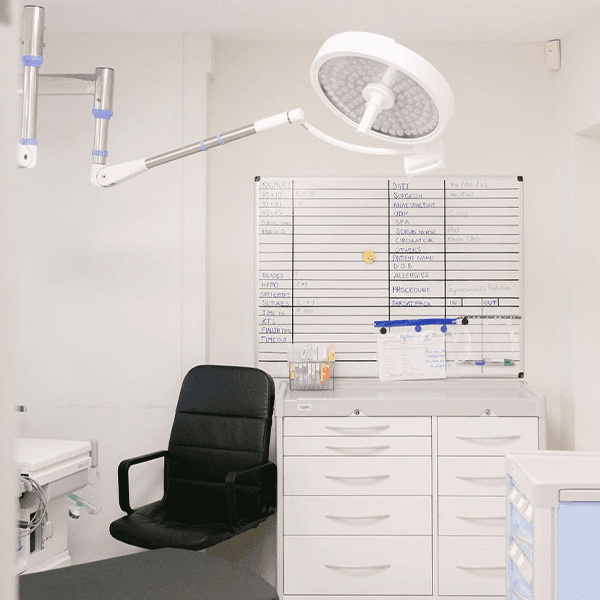
clinic-equipment
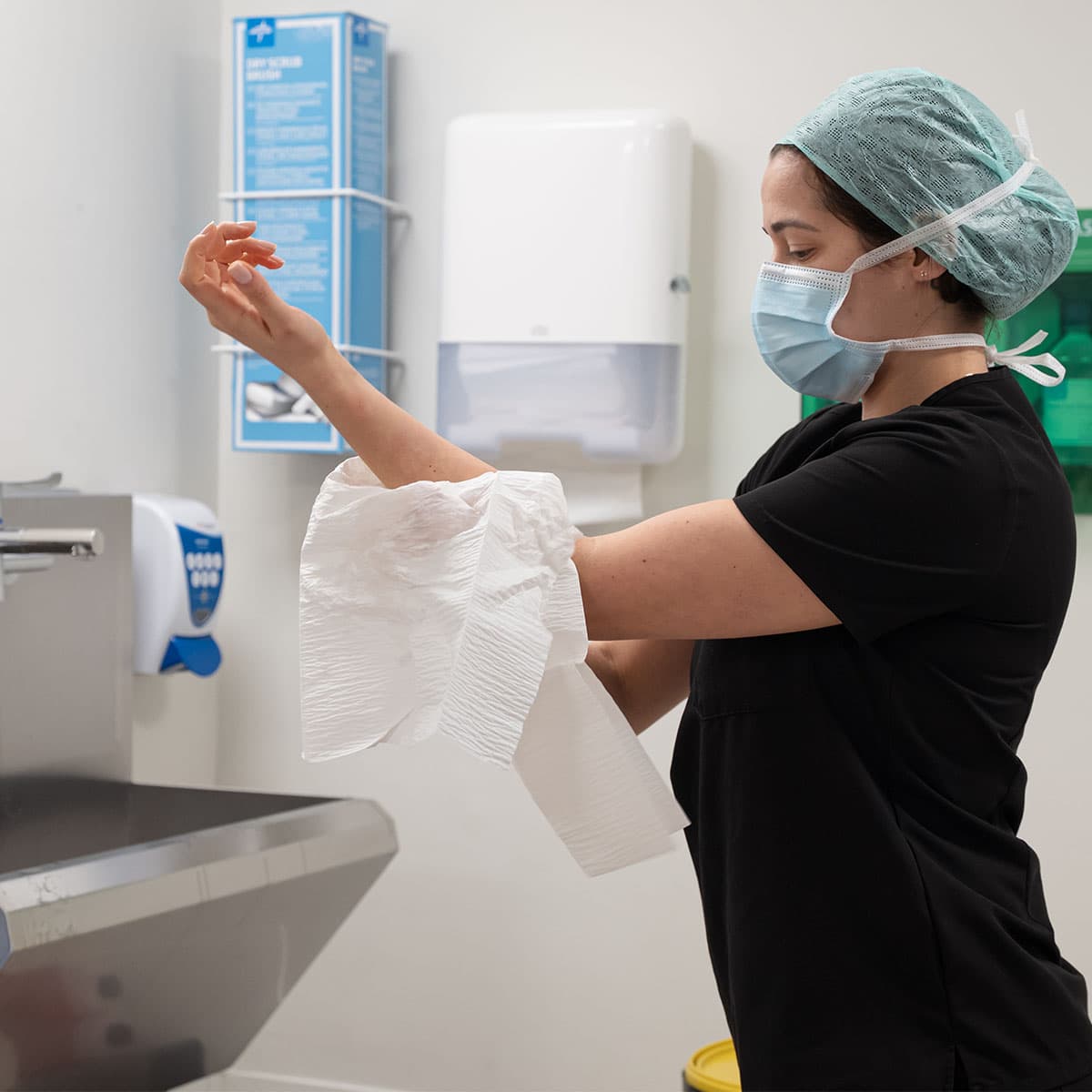
Surgeon-after-procedure

How does radiofrequency ablation (RFA) work?

Radiofrequency ablation (RFA) treats varicose veins in much the same way as EVLA, but it uses radiofrequency energy instead of laser energy to seal the vein.

During the procedure, your surgeon inserts a thin catheter into the affected vein using ultrasound guidance. The catheter delivers controlled heat to the vein wall in short segments, causing it to collapse and close. Blood is then naturally redirected through nearby healthy veins.

Like EVLA, radiofrequency ablation is usually performed under local anaesthetic as a day-case procedure. Most patients are able to walk immediately afterwards and return home the same day.

Although the technologies differ, both treatments are designed to achieve the same outcome. The main difference lies in how the heat is delivered, rather than the result itself.

stretched-ear-ring-marks

What actually decides which treatment you have?

Many patients assume they will be able to choose between laser and radiofrequency treatment. In reality, the decision is usually made after your veins have been assessed with a duplex ultrasound scan.

This scan provides a detailed picture of your veins and shows exactly where blood is flowing in the wrong direction. It also helps your surgeon assess the size, shape and position of the affected veins before recommending the most appropriate treatment.

Several factors can influence that decision, including:

The size of the vein. Larger veins may be better suited to one technique depending on their anatomy.

The shape of the vein. Some veins are relatively straight, while others are more twisted or tortuous, which can influence which catheter is easier to use.

How close the vein lies to the skin or nearby nerves. This can affect treatment planning and the safest approach.

Whether other veins are being treated at the same time. Some patients benefit from combining thermal ablation with treatments such as foam sclerotherapy or phlebectomy.

Your surgeon’s experience. Both techniques are well established, and experienced vascular surgeons often have legitimate preferences based on the individual case.

Rather than selecting a treatment at the time of booking, your surgeon will recommend the approach most likely to achieve the safest and most effective outcome for your anatomy.

Pain and recovery

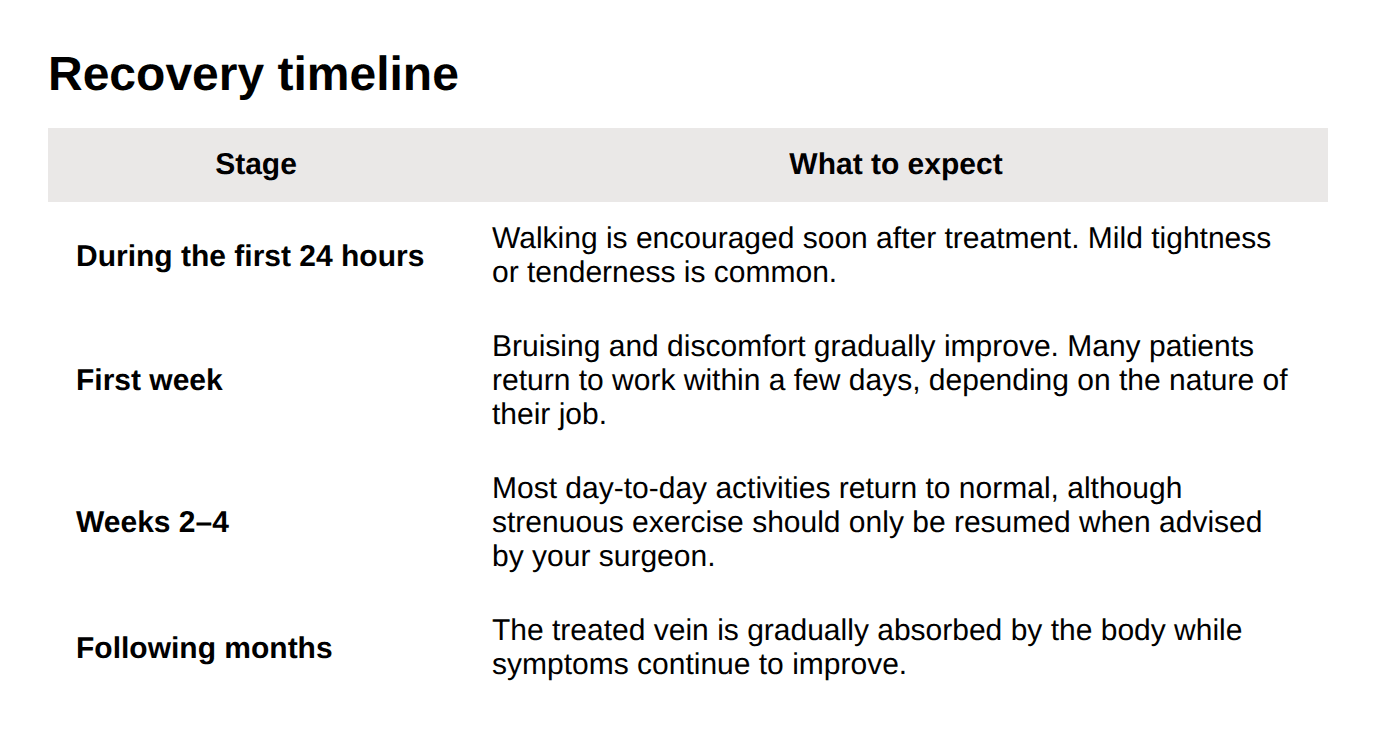
One of the biggest advantages of both laser and radiofrequency ablation is that they avoid the lengthy recovery associated with traditional vein stripping.

Because the treatment is carried out under local anaesthetic, most patients experience little discomfort during the procedure itself. You may feel some pressure or gentle pulling sensations, but the area being treated is numbed beforehand.

Afterwards, it’s normal to notice mild aching, tightness or bruising along the treated vein. These symptoms are usually temporary and improve steadily over the following days.

Your surgeon may also recommend wearing compression stockings for a period after treatment to support healing and improve comfort. Before you return to driving, flying or more vigorous exercise, follow the advice provided by your treating team.

Although some studies suggest there may be small differences in post-procedure discomfort between EVLA and RFA, both treatments are generally well tolerated. For most patients, these differences are relatively minor compared with the benefits of avoiding open surgery.

What are the risks and complications involved?

Both endovenous laser ablation and radiofrequency ablation are well-established procedures with similar safety profiles. Like any medical treatment, however, they carry some risks and potential complications.

Most side effects are mild and temporary. Bruising, tenderness and a feeling of tightness along the treated vein are common during the first few weeks as the vein heals. Some patients also notice temporary numbness or altered skin sensation, particularly if the treated vein lies close to a small sensory nerve.

Less commonly, inflammation of the treated vein or superficial thrombophlebitis can occur. Rare complications, including deep vein thrombosis (DVT), are carefully assessed for before treatment, and your surgeon will discuss your individual risk factors during your consultation.

Although the two procedures use different energy sources, their overall risk profiles are broadly comparable. Your surgeon will recommend the treatment that offers the safest and most appropriate approach for your anatomy.

If you experience increasing pain, significant swelling, redness, shortness of breath or any unexpected symptoms after treatment, contact your treating team promptly rather than attempting to assess the situation yourself.

How much does endovenous laser ablation cost?

The cost of EVLA or radiofrequency ablation varies from patient to patient. Treatment is tailored to the individual, so there is no single fixed price.

Several factors influence the final cost, including:

  • Whether treatment is required on one leg or both.
  • The number of veins requiring treatment.
  • Whether additional procedures, such as foam sclerotherapy or phlebectomy, are recommended.
  • Hospital, anaesthetic and day-case facility fees.
  • Follow-up appointments and ultrasound scans.

If you’re considering private treatment, your surgeon will provide a personalised quotation after assessing your veins with duplex ultrasound.

Although varicose vein treatment may be available through the NHS in certain circumstances, eligibility depends on local commissioning criteria and the severity of your symptoms. Many patients choose private treatment because it offers faster access, greater flexibility and continuity of care.

What to expect

Recovery stage What to expect

First few days

A supportive dressing is worn. Mild discomfort, swelling and tenderness are normal.

Days 5–10

Dressings are removed and many adults return to desk-based work.

Weeks 2–6

A headband is usually worn at night while healing continues. Avoid contact sports and swimming.

After 6 weeks

Most normal activities can be resumed, although the ears continue to settle over the following months.

Children can often go back to school within one to two weeks, avoiding rough play until cleared. Full otoplasty recovery time - with the ears completely settled into their new position - is usually complete within a few months.
Talk to an expert

Can varicose veins come back after treatment?

Both EVLA and radiofrequency ablation successfully treat the vein that has been causing symptoms. However, they cannot prevent new varicose veins developing elsewhere in the future.

Varicose veins are caused by an underlying weakness in the vein walls and valves. While the treated vein remains closed, other veins can become affected over time. This is why varicose vein disease is considered progressive rather than something that can be permanently cured.

Regular follow-up appointments allow your surgeon to monitor healing and check that the treated vein has closed as expected. If new varicose veins develop in future, they can often be managed with further minimally invasive treatment.

Our Guidance

When patients ask whether laser or radiofrequency treatment is better, the important question we pose is “which treatment is better for their veins”. Duplex ultrasound tells us far more than the treatment name ever can, allowing us to recommend the approach most likely to achieve a safe, durable result.

Chat to our specialist
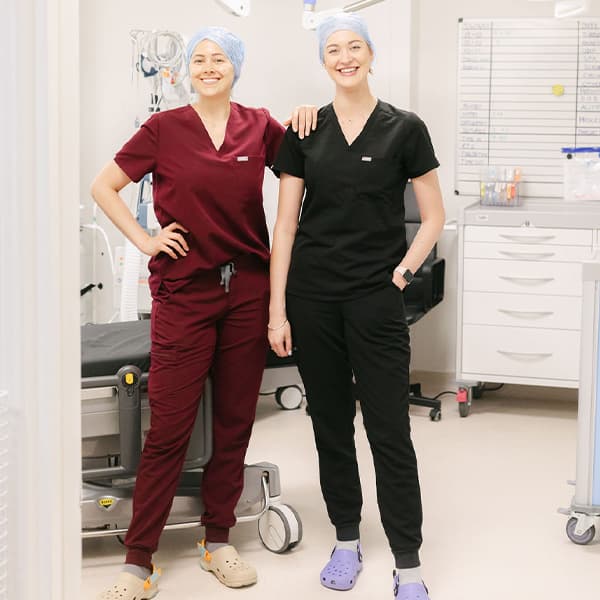
101-surgery-team

Ready to discuss whether otoplasty is right for you?

If you’ve been considering otoplasty, a consultation is the best way to understand whether the procedure is right for you. Your surgeon will assess the shape and position of your ears, discuss your goals and explain what results you can realistically expect, along with the likely recovery and cost. You’ll receive personalised advice, giving you the information you need to decide with confidence whether otoplasty is right for you.

Book a consultation
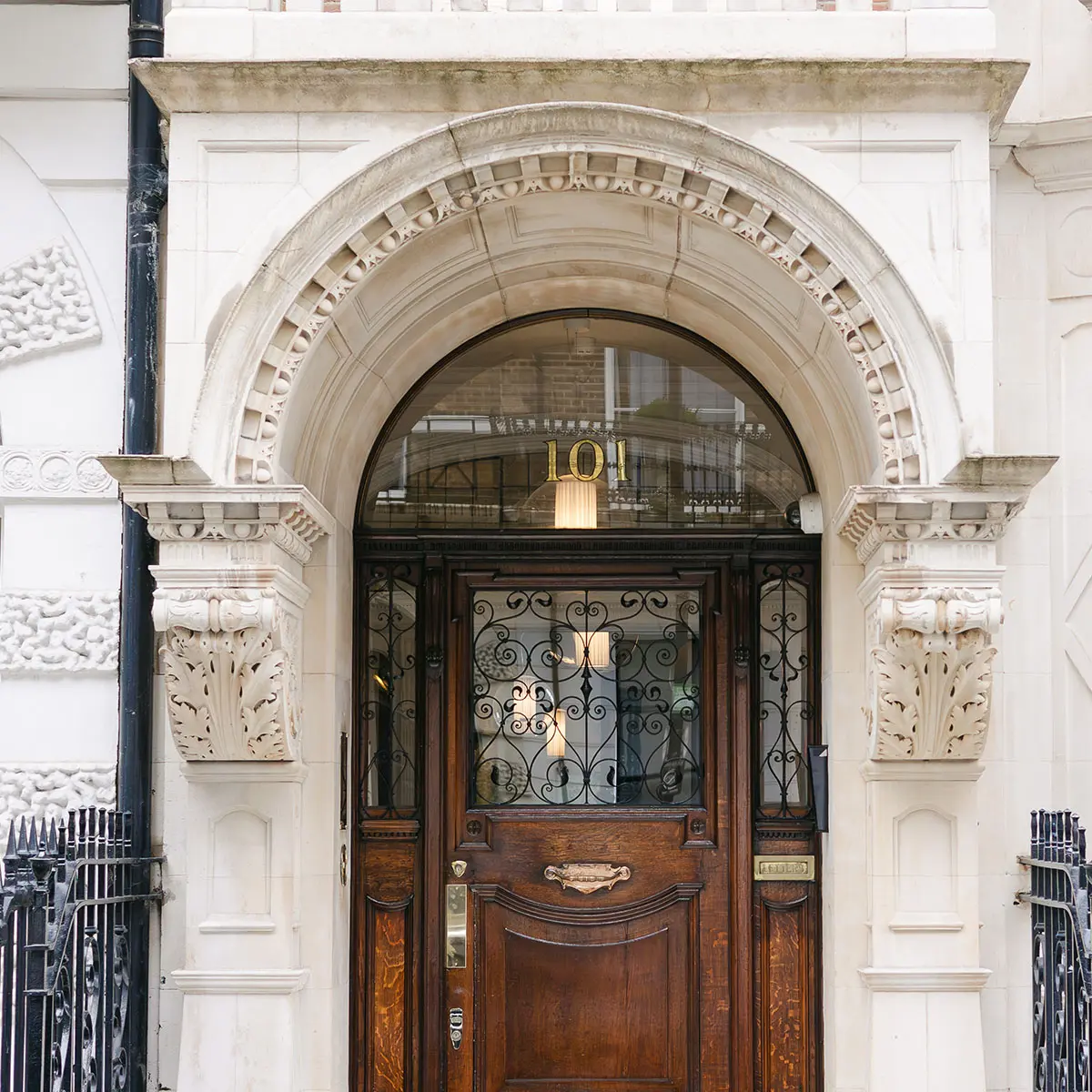
101-doorway-arch
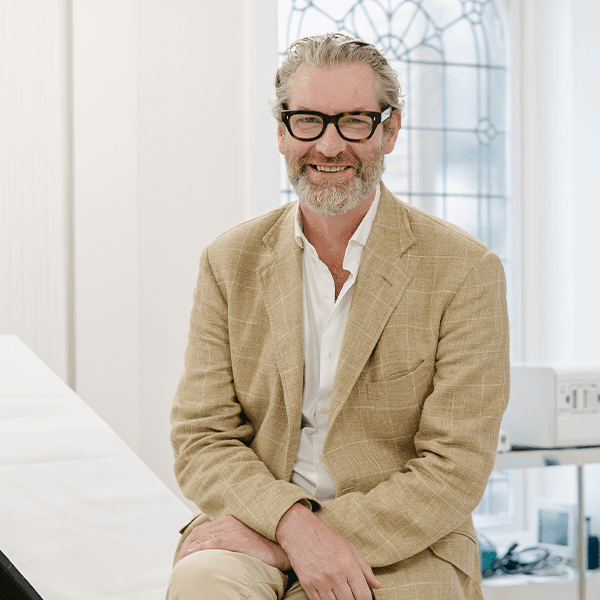
Duncan-Brennand-portrait

Follow us on Instagram

Today in theatre with Mr Omar Tillo at 101 Harley Street ✨

Today’s operating list includes a mastectomy procedure followed by a breast augmentation, with our theatre team working together to support every stage of each patient’s journey. 

@creo_clinic 

#101HarleyStreet #HarleyStreet #PatientCare #DaySurgery #TheatreAnother busy day in theatre at 101 Harley Street ✨

Mr Arda Küçükgüven is performing two septorhinoplasty procedures today, combining functional and aesthetic expertise to help patients breathe better while achieving balanced, natural looking results. 

@drardakucukguven 

#101HarleyStreet #Septorhinoplasty #HarleyStreet #FacialSurgery #DaySurgeryWe’re wishing one of our lovely nurses, Tamara, the very best as she heads to Madagascar for the next month to volunteer her skills as an anaesthetic nurse. Using her expertise to make a difference. 

We’re incredibly proud to support Tamara on this opportunity and look forward to hearing all about it when she’s back. Good luck from everyone at 101 Harley Street! 🌍✨

#101HarleyStreet #AnaestheticNurse #VolunteerWork #Healthcare #NursingPreparing for your day surgery ✨

Swipe through for our simple step-by-step guide to help you feel prepared and ready for your procedure at 101 Harley Street. If you have any questions, our team is always here to help.

#101HarleyStreet #HarleyStreet #DaySurgery #PatientCare #CosmeticSurgeryEvery patient’s journey starts here 🤍

Our pre-op room is where you’ll meet your nurse, ask any final questions, and take a moment to relax before your procedure.
We’re here to make sure you feel informed, comfortable and cared for from the very beginning.

#aestheticsurgeryuk #daysurgerylondon #londoncosmeticsurgery #harleystreetsurgeon #101harleystreet101 bringing the fun to @tasteoflondon 🍹🌮A glimpse inside our theatre today at 101 Harley Street, where Mr Arda Kucukguven is performing a complex revision rhinoplasty procedure with rib grafting. 

We are proud to support leading surgeons with our state-of-the-art facilities and a dedicated clinical team, delivering exceptional standards of care for every patient. ✨

#101HarleyStreet #DaySurgery #Rhinoplasty #PatientCare #HarleyStreet

How can you find us?

Our surgery is located on Harley Street in Marylebone, London, within one of the world’s most prestigious and historic medical districts. Situated at 101 Harley Street, the clinic offers a discreet and refined setting in the heart of Central London, bringing together leading consultants, advanced facilities and personalised care.

We welcome patients from across the world, as well as patients travelling to London from across the UK and internationally for specialist medical, surgical and aesthetic treatments.

Our location benefits from excellent transport connections. Regent’s Park, Oxford Circus and Baker Street Underground stations are all within easy walking distance, while major London rail stations and international airports  including Heathrow, Gatwick and London City provide convenient access for national and international visitors.

Whether you are travelling from within London or further afield, our Harley Street clinic provides a calm, professional environment designed to deliver exceptional care in one of the capital’s most respected medical locations.

 

Opening hours
Monday
9 am–5 pm
Tuesday
9 am–5 pm
Wednesday
9 am–5 pm
Thursday
9 am–5 pm
Friday
9 am–5 pm
Saturday
9 am–5 pm
Sunday
Closed
101 Harley Street Day Surgery
101 Harley St, London W1G 6AH
Get directions
Speak to a specialist
Whatsapp