






Learn the differences between upper and lower blepharoplasty and discover which eyelid surgery is right for you at 101 Harley Street, London.
Understanding the differences and choosing the right approach, a patient-focused article from 101 Harley Street
The eyelid region is one of the most delicate and expressive areas of the face, and often one of the first places where signs of ageing become noticeable. Changes such as heaviness, puffiness, hollowing and alterations in skin texture can all affect how rested and open the eyes appear.
While both upper and lower blepharoplasty rejuvenate the eye area, they address different anatomical concerns and achieve different outcomes. At 101 Harley Street, every patient undergoes a detailed assessment to determine whether upper blepharoplasty, lower blepharoplasty or a combination of both is most appropriate. The goal is always natural refinement that restores clarity and balance to the eyes while preserving individual character.
This guide explains how the two procedures differ, what each one treats, and how surgical and non-surgical options can work together for optimal periorbital rejuvenation.
Upper blepharoplasty focuses on excess skin and structural changes in the upper eyelid that contribute to heaviness or hooding. With age, the skin of the upper lid can lose elasticity and begin to fold over the natural crease, sometimes interfering with makeup application or even peripheral vision.
Upper blepharoplasty removes redundant skin and refines the eyelid contour, recreating a defined crease and restoring symmetry between the eyes. The result is a brighter, more open appearance that still looks natural and relaxed.
It is one of the most precise eyelid procedures and typically offers noticeable improvement with relatively minimal downtime when performed by an experienced surgeon.

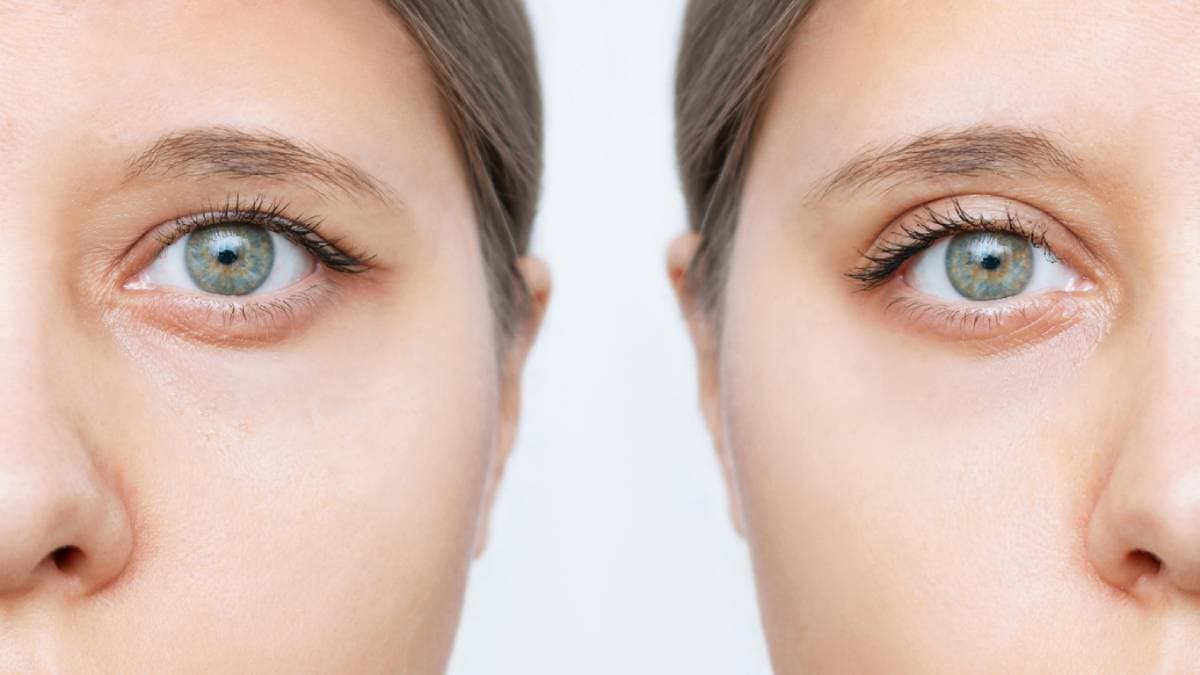
Lower blepharoplasty addresses ageing changes beneath the eye, including under eye bags, puffiness, skin laxity and hollowing. These concerns are often caused by protrusion of fat pads, weakening of lower eyelid support or changes in volume distribution rather than skin excess alone.
Lower blepharoplasty can smooth puffiness, reposition fat to reduce hollowing, improve skin laxity and refine the transition between the lower eyelid and upper cheek. The aim is to create a rested, refreshed appearance without altering the natural shape of the eye.
In selected patients, a transconjunctival approach, where the incision is made inside the eyelid, may be used when skin removal is not required.

Although both procedures rejuvenate the eye area, they treat entirely different structures. Upper blepharoplasty corrects excess skin and heaviness above the eye, while lower blepharoplasty addresses puffiness, fat protrusion, volume imbalance and skin quality beneath the eye.
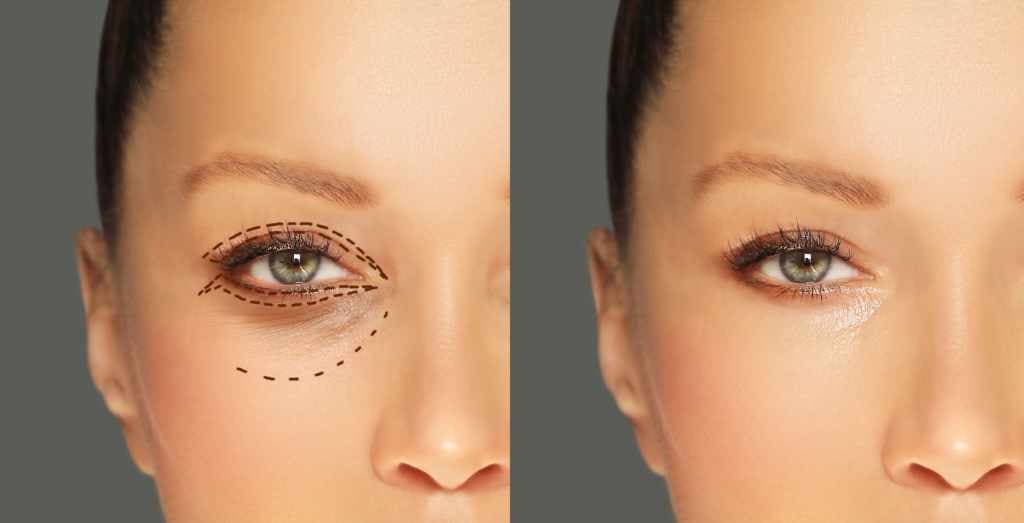
Surgical goals also differ. Upper blepharoplasty refines the eyelid crease and reduces hooding, whereas lower blepharoplasty smooths the under-eye contour and restores a more youthful transition to the cheek. Incisions for upper blepharoplasty are hidden within the natural eyelid crease, while lower blepharoplasty incisions are placed either just below the lash line or inside the eyelid, depending on technique.
Recovery is often slightly quicker with upper blepharoplasty, while lower blepharoplasty can involve more swelling due to the delicacy of the tissues beneath the eye. These distinctions highlight why accurate diagnosis is essential, as treating the wrong structure will not deliver the desired result.
| Upper Blepharoplasty | Lower Blepharoplasty |
|---|---|
Treats excess skin and hooding above the eye | Treats puffiness, bags and hollowing beneath the eye |
Addresses upper eyelid heaviness and skin redundancy | Addresses fat protrusion, volume imbalance and skin laxity |
Refines or recreates the upper eyelid crease | Smooths the transition between lower eyelid and upper cheek |
Incision hidden within the natural upper eyelid crease | Incision placed just below the lash line or inside the eyelid |
May improve functional issues such as visual obstruction | Focuses on aesthetic rejuvenation and contour refinement |
Typically shorter recovery period | May involve more swelling due to delicate under-eye tissues |
Best suited to true eyelid skin excess | Best suited to under-eye bags, puffiness or hollowing |
Upper blepharoplasty is usually recommended when true eyelid redundancy is present. This may include hooding caused by excess skin, obscuring of the eyelid crease, asymmetry between the eyelids or a persistent feeling of heaviness in the upper lids. It is most appropriate when brow position is normal and the concern lies within the eyelid itself.
If brow descent is the primary issue, a brow lift may be more suitable, but when excess eyelid skin is the cause, upper blepharoplasty remains the treatment of choice.
Lower blepharoplasty is recommended when under-eye concerns are caused by protruding fat pads, hollowing, laxity or crepey skin beneath the eye. Patients may notice persistent puffiness or shadows that do not improve with rest and are not adequately addressed by non-surgical treatments.
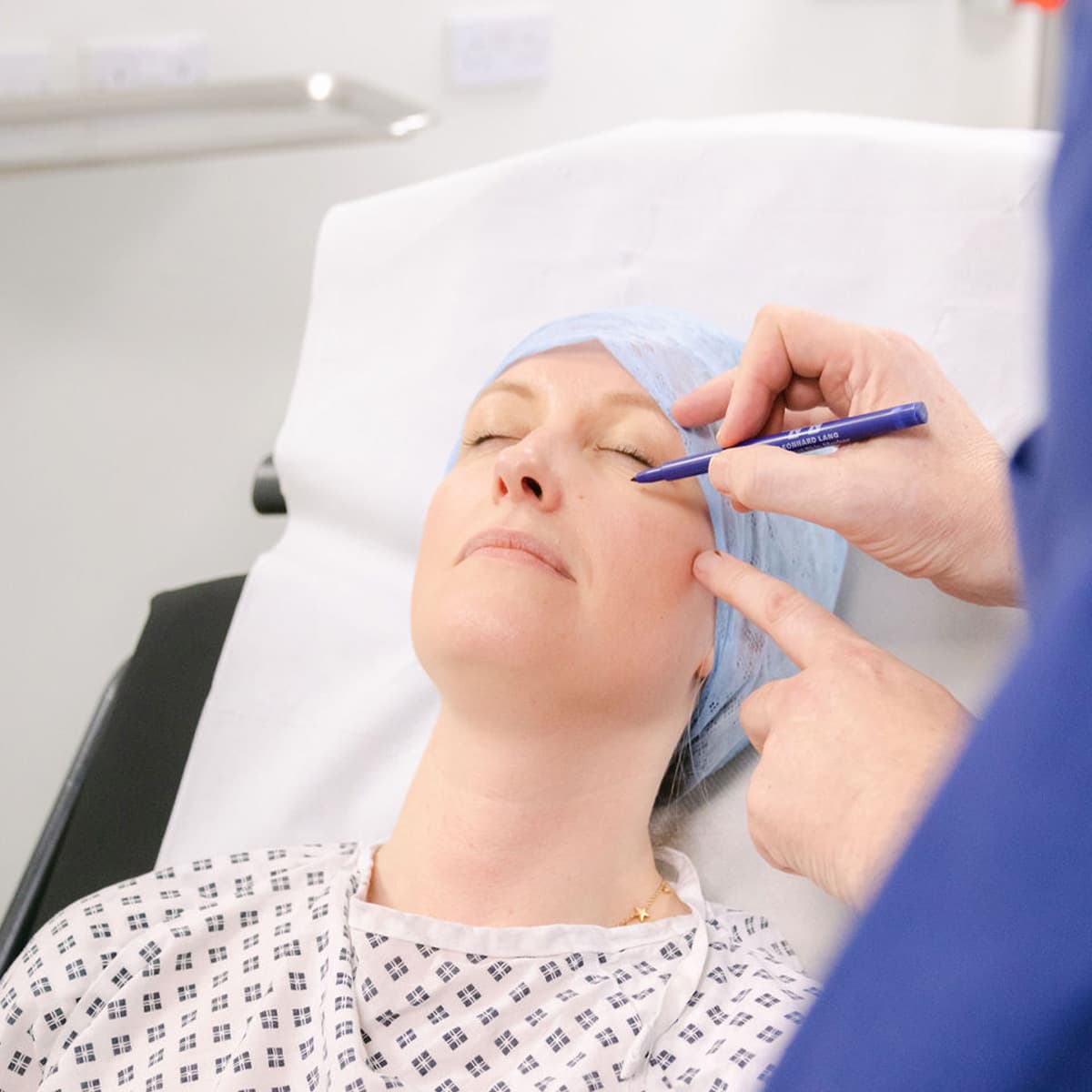
Because the lower eyelid plays a critical role in eye support and position, this procedure requires careful planning and specialist expertise to ensure natural shape and function are preserved.
Yes. Many patients benefit from combining upper and lower blepharoplasty in a single procedure. Treating both areas together can create a more balanced and harmonious result across the entire eye region, while also consolidating recovery into one healing period.

Blepharoplasty provides the most definitive correction of structural eyelid ageing, but non-surgical treatments can play a valuable supportive role. At L’Atelier Aesthetics, precise injectables may be used to soften dynamic lines or subtly support brow position, while dermal fillers can address mild tear trough hollowing in carefully selected patients.
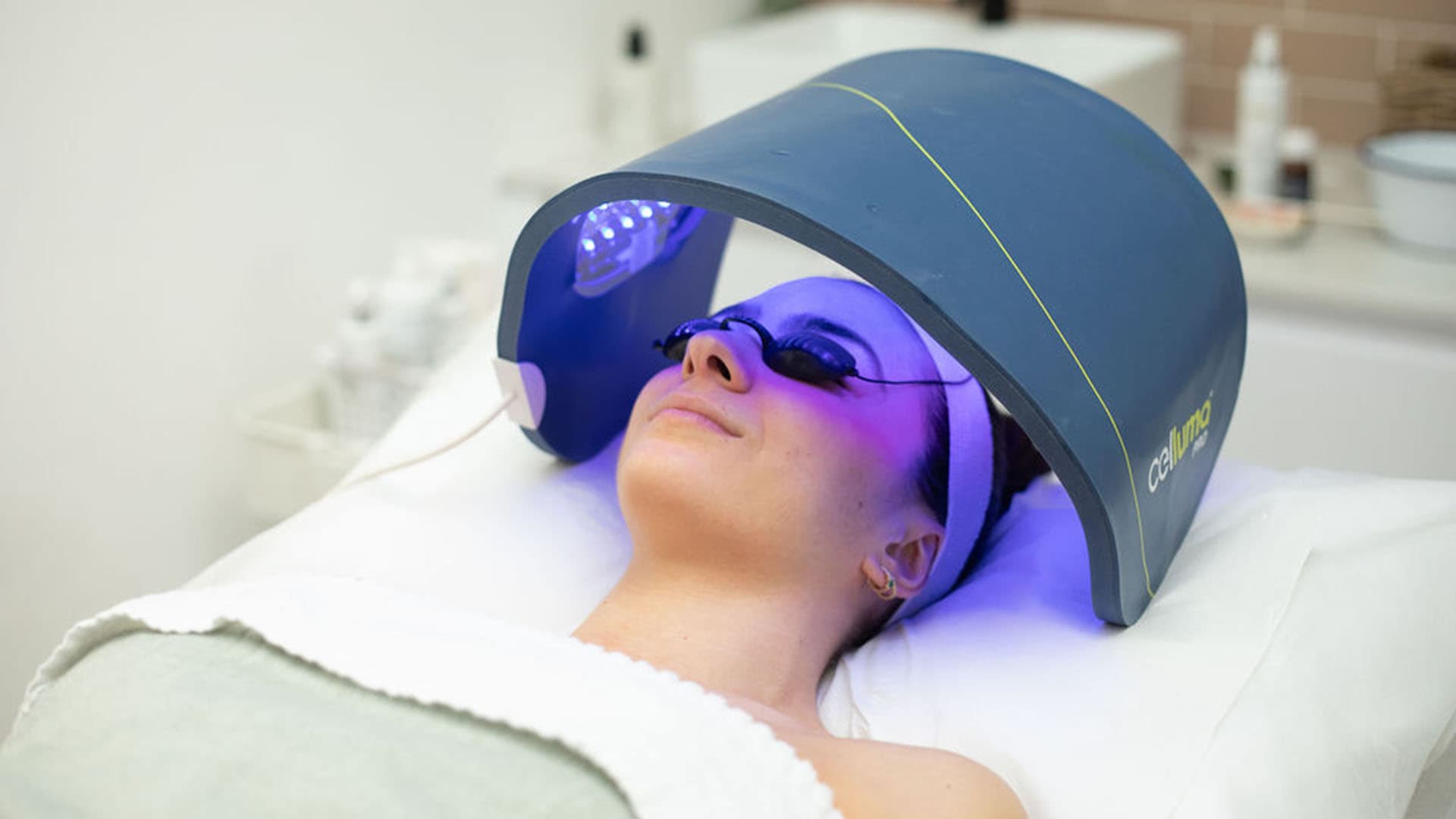
Skin quality treatments such as laser resurfacing, radiofrequency and medical grade skincare can improve texture and collagen support around the eyes. LED therapy may also be introduced post surgery, once approved, to support healing and reduce swelling.
These treatments are best used as complementary measures and should always be timed appropriately following surgical intervention.

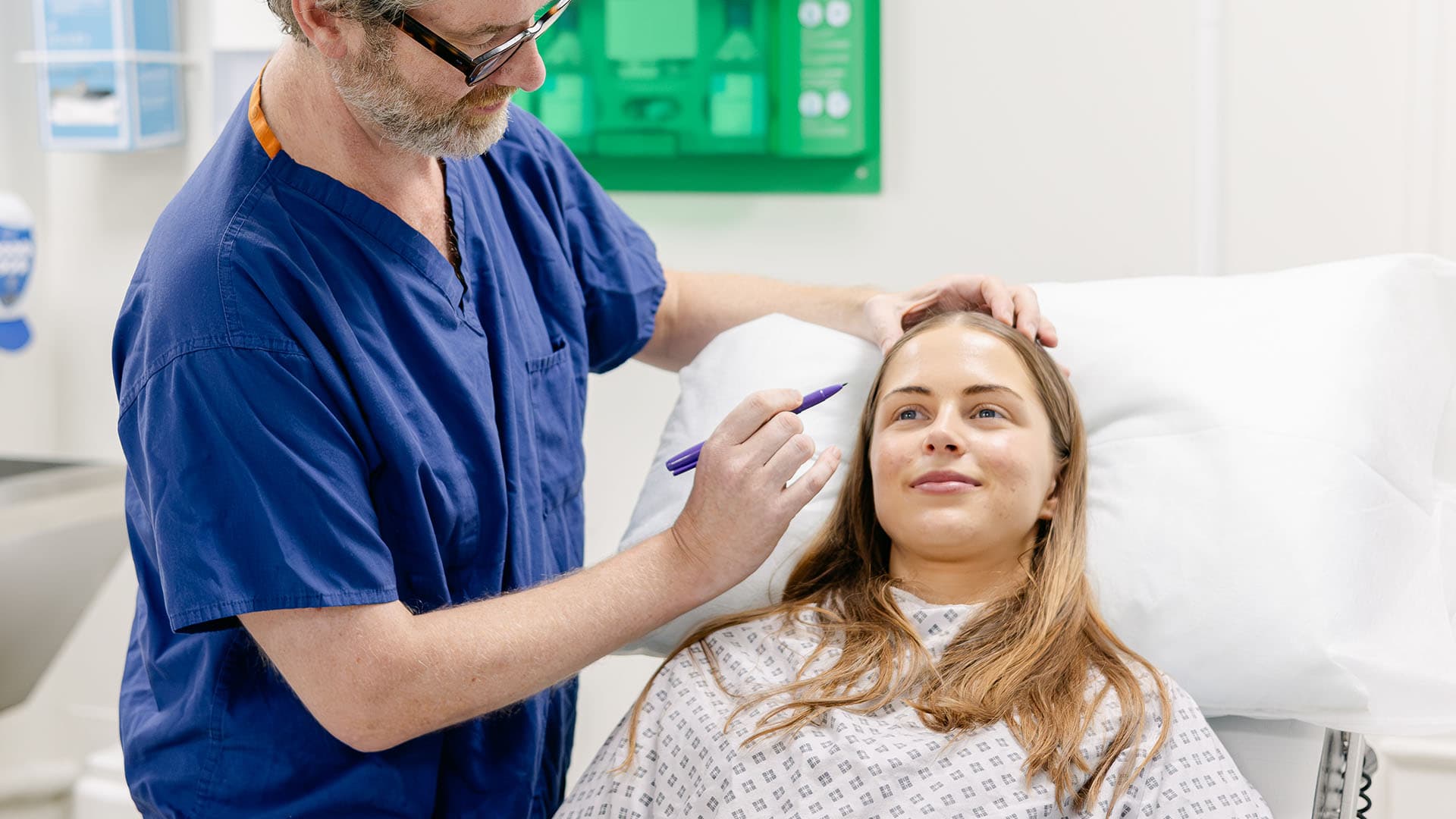
Choosing the right procedure depends on identifying the true anatomical cause of the concern. A thorough consultation includes assessment of eyelid skin, fat pads, brow position, skin elasticity and overall facial balance, alongside a discussion of personal goals and expectations.
At 101 Harley Street, this tailored approach ensures each patient receives a treatment plan designed to deliver natural, proportionate and long-lasting results.
No. Upper blepharoplasty treats excess skin above the eye, while lower blepharoplasty targets under eye bags, puffiness and hollowing.
Yes. Many patients choose to combine them for comprehensive periorbital rejuvenation.
Upper blepharoplasty typically involves a shorter recovery, although both procedures are generally well tolerated.
Non surgical treatments can improve skin quality or soften lines, but they cannot correct significant excess skin or fat prolapse.
When performed correctly, blepharoplasty preserves natural eye shape while refining contour.
Both procedures offer long lasting results, often for many years, although longevity varies between individuals.