













Comparing traditional liposuction vs VASER? Learn how the techniques differ, including precision, recovery and results, to choose the right body contouring option.
A patient-focused article, from 101 Harley Street
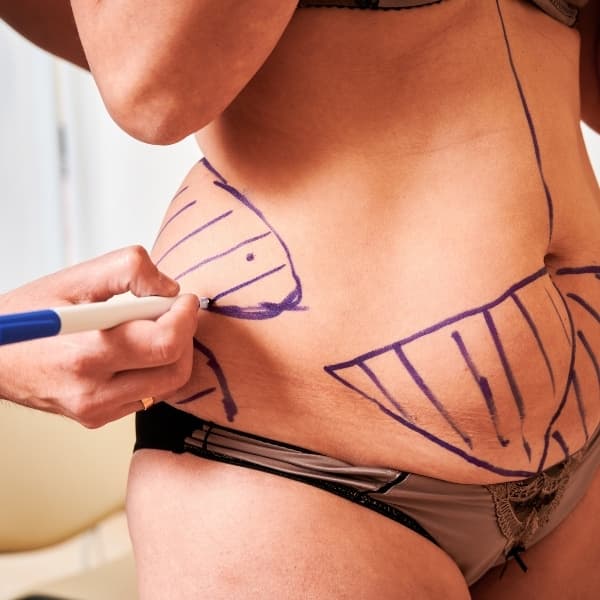
Liposuction remains one of the most effective procedures for reshaping the body and addressing areas of stubborn fat that do not respond to diet or exercise. However, not all liposuction techniques are the same. Understanding the differences between traditional liposuction vs VASER liposuction can help you make an informed decision about which approach best suits your body, goals and expectations.
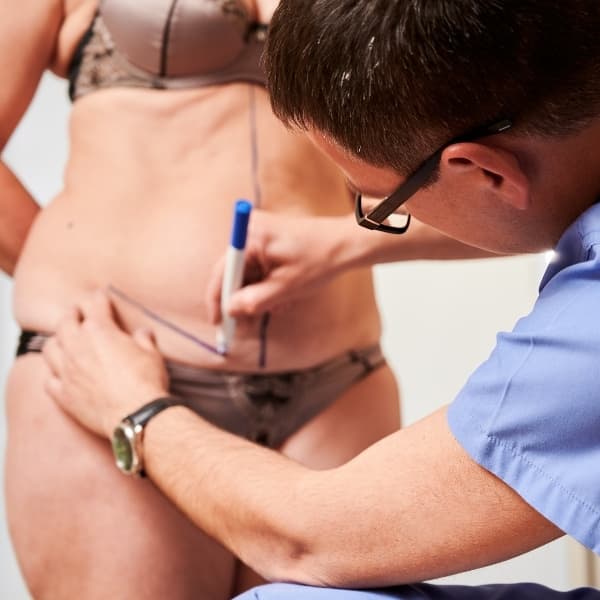
At 101 Harley Street, liposuction is viewed as a sculpting procedure rather than simply fat removal. This article explains how traditional and VASER liposuction differ in technique, results and recovery, so you can approach consultation with clarity and confidence.
While all liposuction aims to remove excess fat, the method used to do so can influence precision, skin quality, recovery time and overall contour.
Choosing the right technique is not about which option is newer or more advanced, but which is most appropriate for your anatomy and treatment goals. Factors such as skin elasticity, fat density and the area being treated all play a role.

Traditional liposuction, sometimes referred to as standard liposuction, has been used safely and effectively for decades.
This technique involves inserting a thin cannula into the treatment area and manually breaking up fat cells using controlled movements before suctioning them out. It is particularly effective for removing larger volumes of fat and reshaping broader areas such as the abdomen, thighs or flanks.
Traditional liposuction is a reliable option for patients whose primary goal is volume reduction rather than high definition contouring. When performed by an experienced surgeon, it can deliver smooth, natural looking results.
Recovery following traditional liposuction varies depending on the extent of treatment. Swelling, bruising and temporary discomfort are expected, with most patients returning to light activities within one to two weeks. Compression garments are usually worn to support healing and contouring.

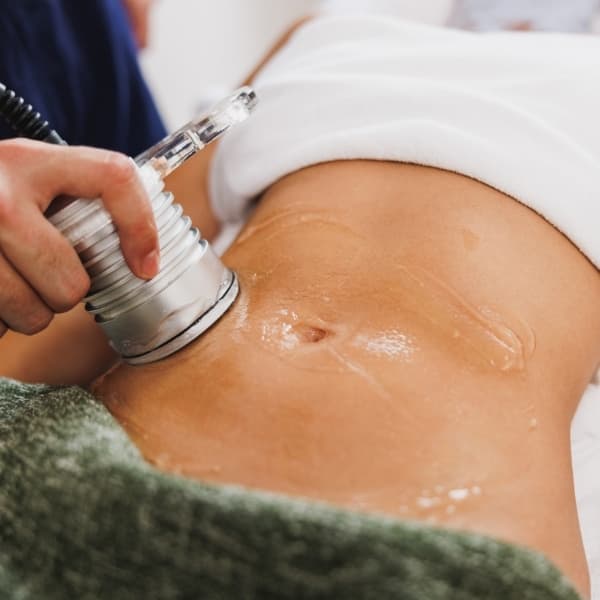
VASER liposuction is a more advanced technique that uses ultrasound energy to gently loosen fat cells before removal.
The ultrasound energy selectively targets fat while helping to preserve surrounding tissues such as blood vessels and connective tissue. This allows for more precise fat removal and can enhance definition in carefully selected areas.
One of the most discussed VASER liposuction benefits is its potential to support improved skin retraction, particularly in patients with good baseline skin quality. The technique is often used for body contouring where detail and sculpting are priorities, such as the abdomen, arms or chest.
Because the fat is emulsified before removal, many patients experience reduced bruising and a smoother early recovery compared to standard techniques, although individual experiences vary.

When considering VASER vs standard liposuction, the differences extend beyond the equipment used.
Traditional liposuction is effective for general fat reduction and reshaping. VASER allows for more targeted fat removal, which can be beneficial when sculpting specific contours or enhancing muscle definition.
Skin tightening after liposuction depends largely on natural elasticity. VASER technology may help encourage better skin retraction in suitable candidates, though it does not replace surgical skin tightening procedures.
Both techniques involve swelling and downtime. VASER liposuction is often associated with less trauma to surrounding tissues, which may translate to reduced bruising and a faster early recovery for some patients.
| Consideration | Traditional Liposuction | VASER Liposuction |
|---|---|---|
Technique used | Manual fat disruption using a cannula | Ultrasound energy used to loosen fat before removal |
Fat removal precision | Effective for general fat reduction and reshaping | Allows more targeted fat removal and contour refinement |
Suitability for sculpting | Best for reducing volume in larger areas | Well suited to detailed body contouring and definition |
Impact on surrounding tissue | Greater mechanical disruption of tissue | More selective fat targeting with less tissue trauma |
Skin retraction | Depends primarily on natural skin elasticity | May support improved skin retraction in suitable patients |
Bruising and swelling | Common and can be more pronounced | Often reduced due to gentler fat emulsification |
Early recovery experience | Gradual improvement over several weeks | Frequently associated with a smoother early recovery |
Use with fat transfer | Suitable for fat grafting | Often preferred when fat transfer is planned |
VASER liposuction is often best suited to patients who:
Are close to their ideal weight
Have good skin elasticity
Want detailed body contouring rather than bulk fat removal
Are seeking refined shaping in specific areas
It is commonly chosen by patients looking to enhance natural definition rather than achieve dramatic volume reduction.

Traditional liposuction may be more appropriate for patients who:
Require removal of larger volumes of fat
Are focusing on overall reshaping rather than definition
Have realistic expectations about skin tightening
Prefer a proven and widely used technique
For many patients, traditional liposuction remains an excellent and effective option.

When considering traditional liposuction vs VASER, there is no single technique that is right for everyone. The most effective results come from a personalised approach that takes into account body shape, skin quality, fat distribution and long-term aesthetic goals.
A detailed consultation with an experienced surgeon allows the most appropriate liposuction technique to be selected, whether that involves traditional liposuction, VASER liposuction or a combination of approaches. This ensures body contouring is planned with precision, safety and natural-looking outcomes in mind, supporting confidence and satisfaction over time.
Yes, liposuction and fat transfer are commonly performed together during the same procedure. Fat is removed from areas of excess, such as the abdomen or thighs, and then carefully processed before being reinjected into areas requiring volume or contour enhancement.
Both traditional and VASER liposuction can be used, but VASER is often preferred when fat transfer is planned. The ultrasound assisted technique can help preserve fat cell integrity, which may support better fat survival once transferred.
Fat transfer is commonly used to enhance areas such as the hips, buttocks, face or hands. The most appropriate treatment areas depend on individual anatomy, available donor fat and desired outcome.
Some of the transferred fat establishes a long-term blood supply and becomes permanent, while a portion is naturally reabsorbed by the body. Surgeons plan for this by carefully calculating transfer volumes to achieve balanced, lasting results.
Recovery may be slightly more involved, as there are both donor and recipient areas to consider. Swelling and bruising are expected, but most patients recover within a similar timeframe to liposuction alone.
Suitability is assessed during consultation and depends on factors such as overall health, skin quality, fat availability and aesthetic goals. A personalised approach ensures results are natural, safe and proportionate.
When comparing traditional liposuction vs VASER, it is important to understand that neither technique is universally superior. Each has distinct advantages and is chosen based on the patient’s body type, goals and desired outcome.
At 101 Harley Street, liposuction is always tailored to the individual. A detailed consultation allows your surgeon to recommend the most appropriate technique to achieve balanced, natural-looking results with safety and longevity in mind.