
As non-invasive skin tightening technologies continue to evolve, patients frequently ask whether Sofwave or Ultherapy offers superior results.
Both treatments use ultrasound energy to stimulate collagen production and improve skin laxity. However, their mechanisms, depth of penetration and recovery profiles differ. At 101 Harley Street, the decision to proceed with energy-based skin tightening is made within the context of overall facial structure, degree of laxity and long-term suitability.
Ultrasound treatments may be appropriate for early tissue laxity. Where structural descent is more advanced, surgical intervention may offer a more definitive outcome.
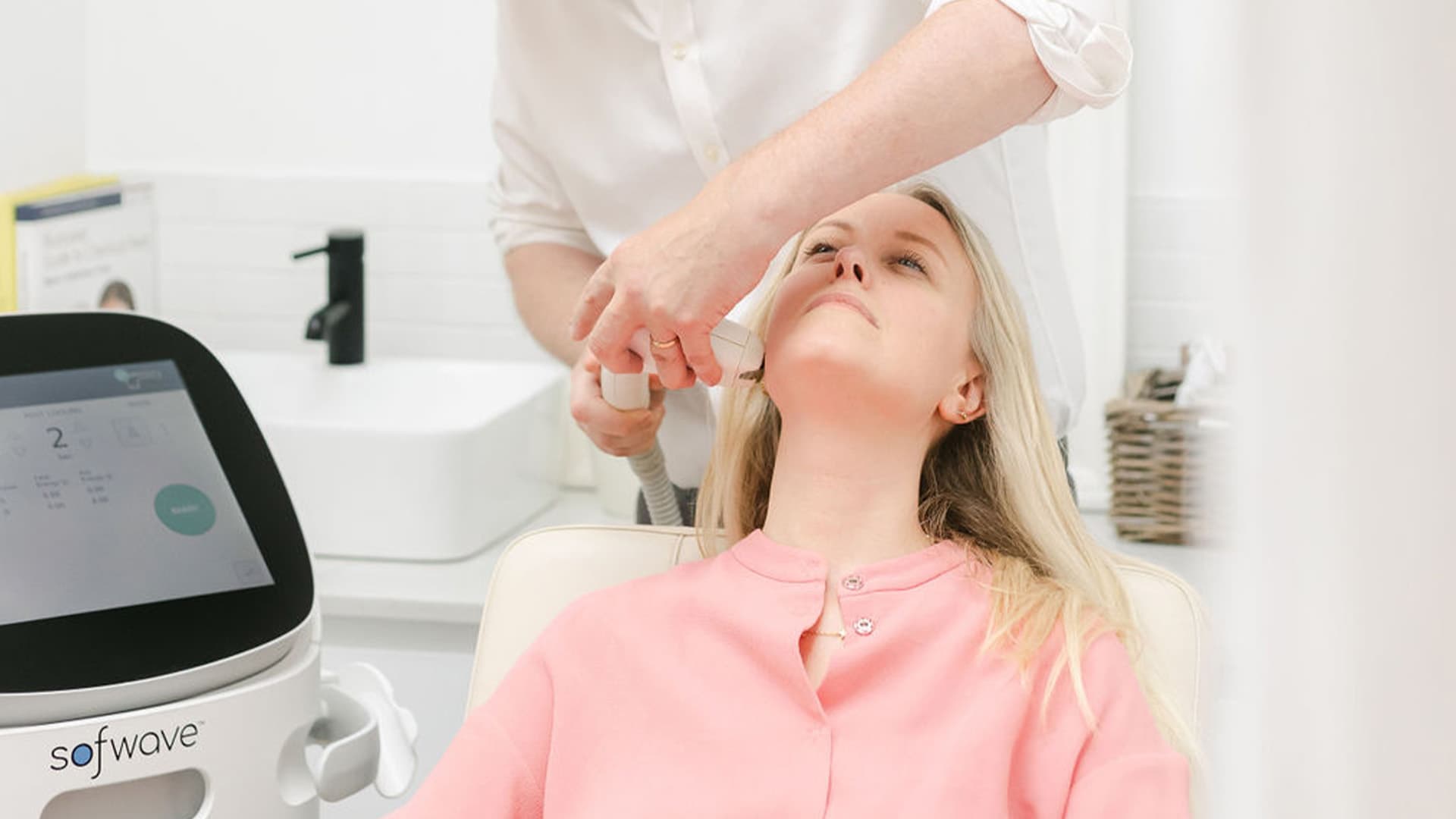
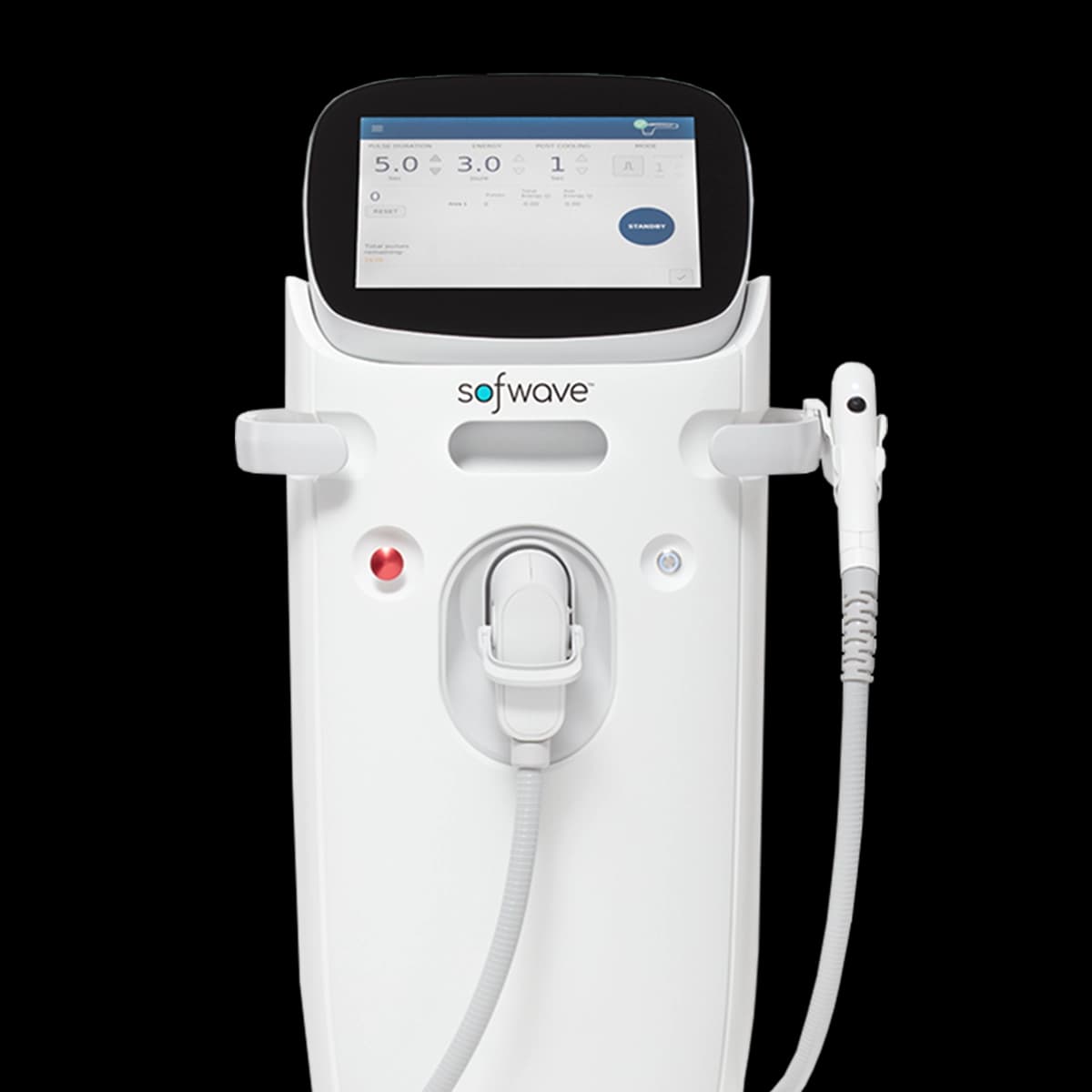
Sofwave is a next-generation ultrasound device designed to stimulate collagen within the mid-dermis. It delivers Synchronous Ultrasound Parallel Beam (SUPERB) technology to target a precise depth of approximately 1.5mm beneath the skin surface.
It is typically used for:
Mild to moderate skin laxity
Early jawline softening
Fine lines
Lower face and neck firmness
Sofwave™ is known for minimal downtime and gradual collagen remodelling over several months.
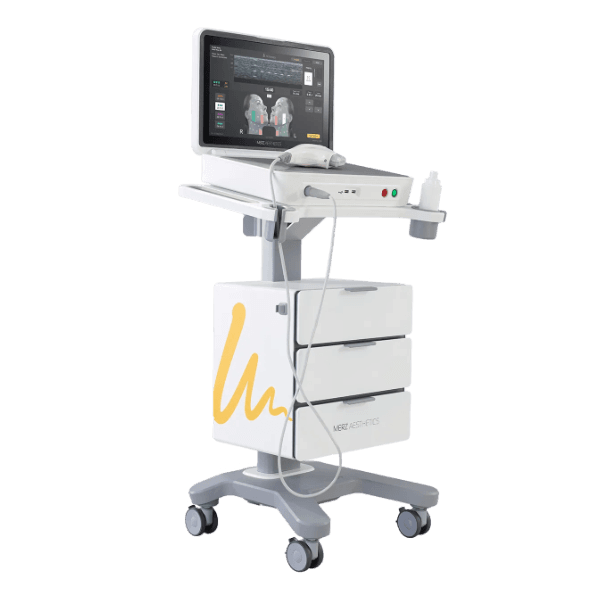
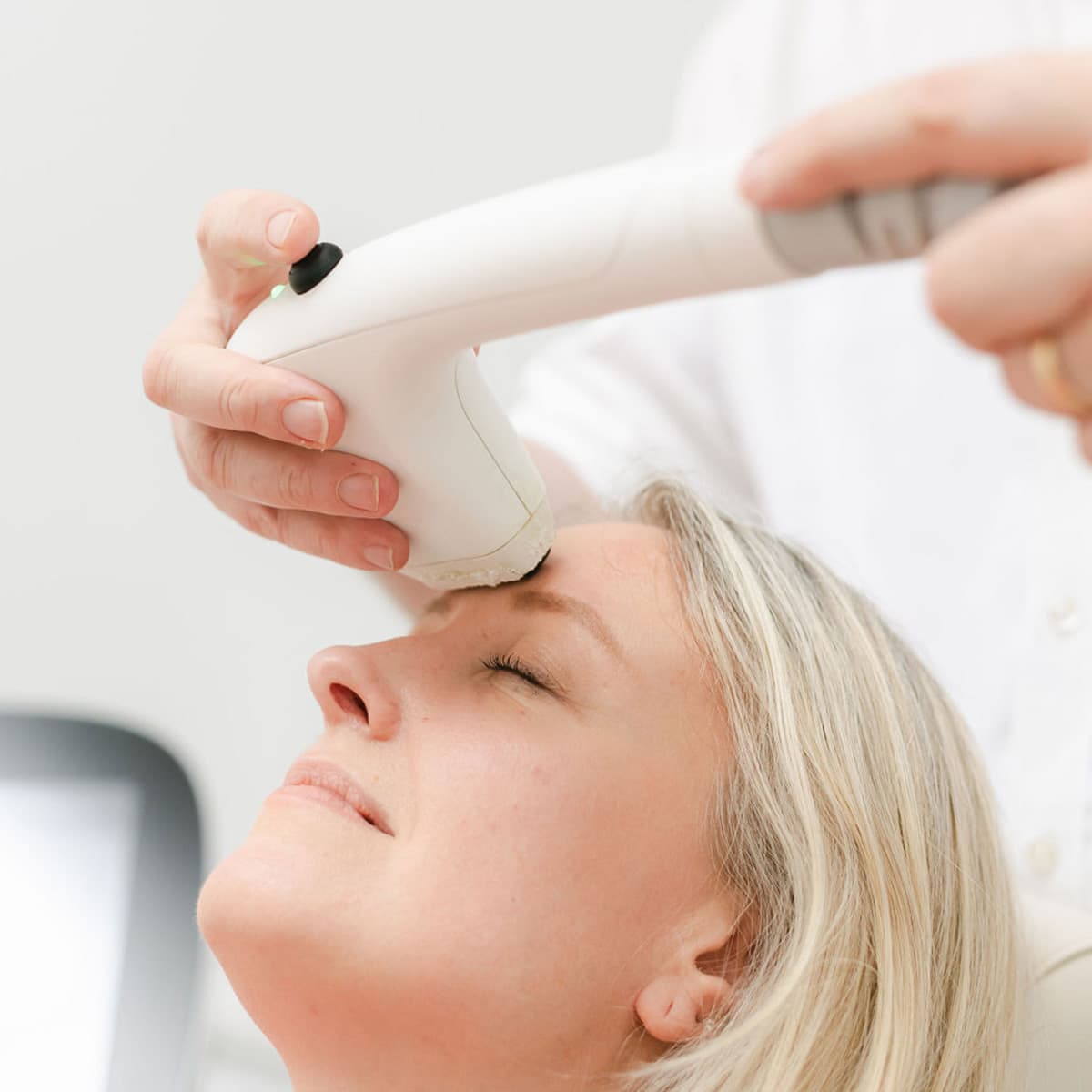
Ultherapy delivers micro-focused ultrasound energy to deeper tissue layers, including the superficial musculoaponeurotic system (SMAS) — the same structural layer addressed in surgical facelift procedures.
It is commonly selected for:
Brow lifting
Lower face tightening
Neck laxity
Early jowl formation
Ultherapy® penetrates deeper than Sofwave™, which may result in more noticeable discomfort during treatment and slightly longer recovery in some patients.


Sofwave: Mid-dermal collagen stimulation
Ultherapy: Deeper tissue layers including SMAS
Sofwave is often associated with improved comfort and minimal downtime.
Ultherapy may involve greater intra-procedural discomfort due to deeper energy delivery.
Both treatments stimulate collagen progressively. Results typically develop over 3–6 months. Neither replaces surgical lifting in cases of significant tissue descent.
When comparing Sofwave vs Ultherapy, the key distinction lies in how ultrasound energy is delivered and which tissue layers are targeted. Although both treatments use ultrasound technology to stimulate collagen production, they differ in depth, focal precision and clinical indication. Ultherapy delivers micro-focused ultrasound energy at multiple depths, including the superficial muscular aponeurotic system (SMAS), the same structural layer addressed during surgical facelift procedures. This allows for deeper tissue contraction and lifting in appropriately selected patients.
Sofwave, by contrast, uses parallel beam ultrasound technology designed to target the mid-dermis more uniformly. Its primary objective is dermal tightening and collagen stimulation rather than structural repositioning. As a result, Sofwave is often selected for patients with mild to moderate skin laxity who are seeking subtle tightening with minimal downtime.
Sofwave and Ultherapy are not direct substitutes for surgical lifting procedures, but they can play an important role within a comprehensive facial rejuvenation plan. In patients who are not yet candidates for surgery, ultrasound-based treatments may help delay the need for operative intervention by improving dermal firmness and supporting collagen integrity. In post-surgical patients, they may also be considered as maintenance treatments to preserve skin quality and prolong results.
At 101 Harley Street, energy-based technologies are viewed as adjunctive tools rather than standalone solutions for advanced ageing. A patient presenting with jawline descent, neck banding or significant mid-face volume loss may require surgical correction for meaningful structural improvement. However, in carefully selected individuals with early laxity, ultrasound tightening treatments such as Sofwave or Ultherapy can enhance skin quality while maintaining natural facial harmony.
By integrating non-surgical technologies within a medically led framework, treatment decisions remain focused on anatomy, safety and longevity of results. This balanced approach ensures patients receive recommendations based on clinical suitability rather than trend, supporting outcomes that age well and remain proportionate over time.


Ultrasound-based treatments can improve early laxity. However, they cannot reposition descended tissue or remove excess skin.
For moderate to advanced sagging of the lower face or neck, surgical procedures such as a facelift or neck lift may provide more definitive and longer-lasting correction.
At 101 Harley Street, ultrasound devices are viewed as adjunctive options within a broader facial rejuvenation strategy.
For patients who are suitable for non-invasive ultrasound treatments, Sofwave™ and other energy-based procedures are delivered through L’Atelier Aesthetics, our dedicated aesthetic clinic within 101 Harley Street.
This integrated model ensures that patients receive balanced advice — surgical where necessary, non-invasive where appropriate.