
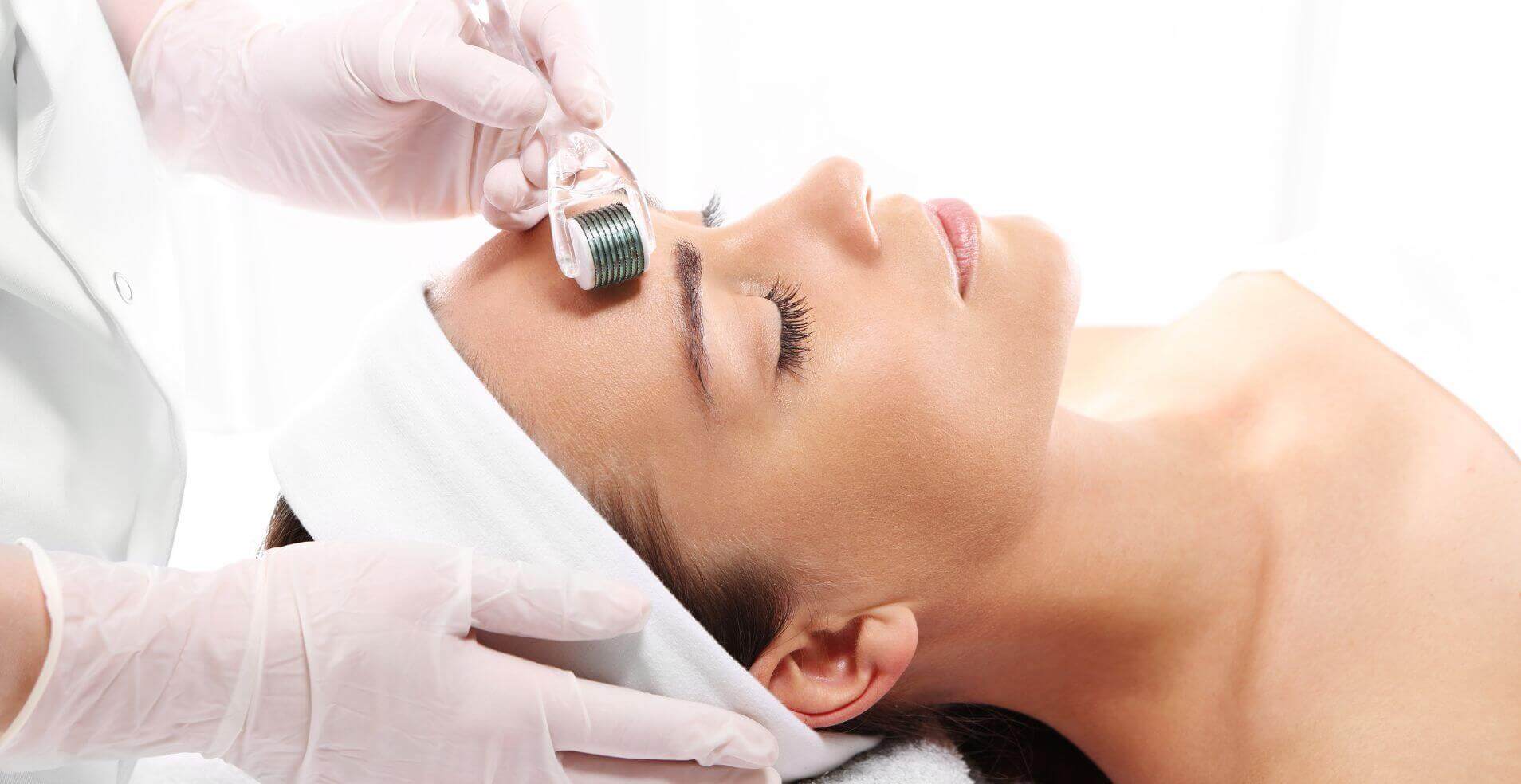
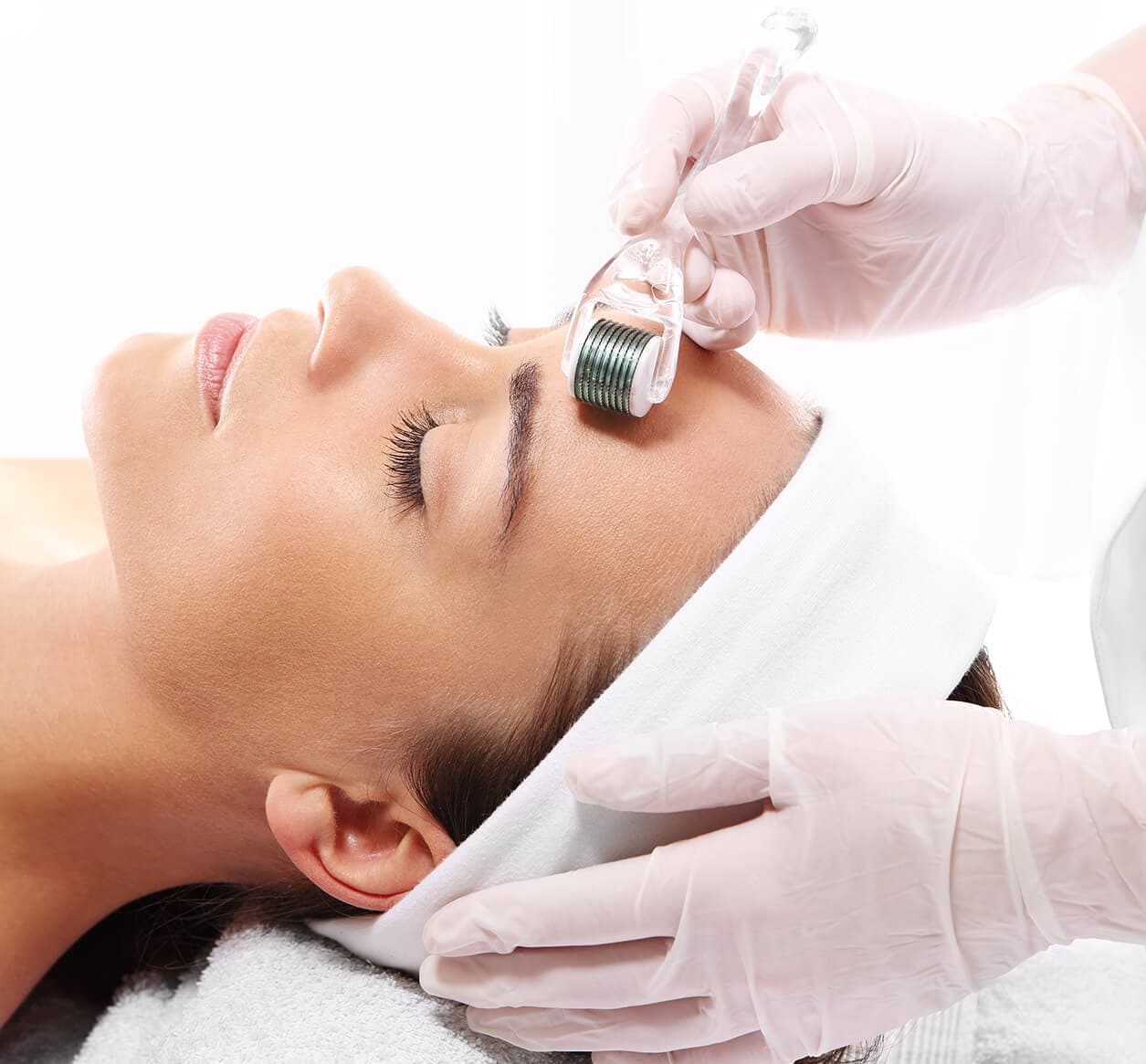
As consumer devices have become more accessible, many patients question whether at-home microneedling can deliver comparable results to treatment performed in a medical setting.
From a clinical perspective, the distinction is significant. While both approaches aim to stimulate collagen production, professional microneedling is performed with precision, sterility and anatomical understanding. At 101 Harley Street, we view microneedling as a medical procedure that should be delivered within an appropriate clinical framework, not as a self-administered skincare trend.
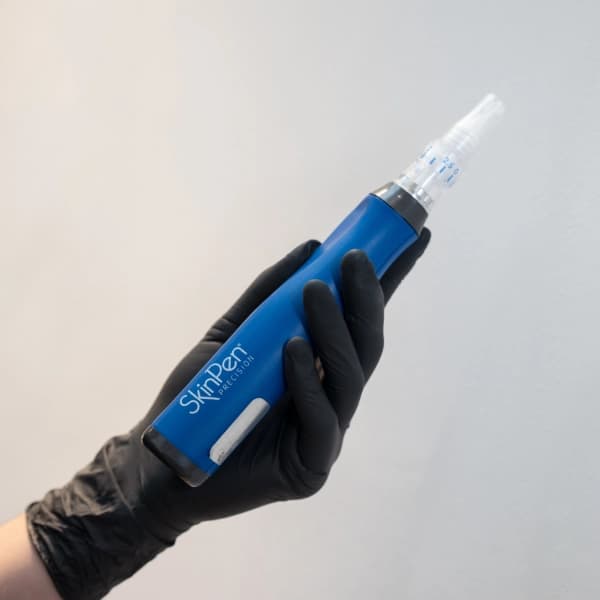
SkinPen is a medical-grade microneedling device used in clinical practice to create controlled micro-injuries within the dermis. These micro-channels stimulate the body’s natural wound-healing cascade, encouraging collagen and elastin production.
The treatment is used to address:
Crucially, needle depth and speed are adjustable. This allows the practitioner to treat specific anatomical layers of the skin with accuracy and consistency — an essential factor in achieving meaningful collagen remodelling.
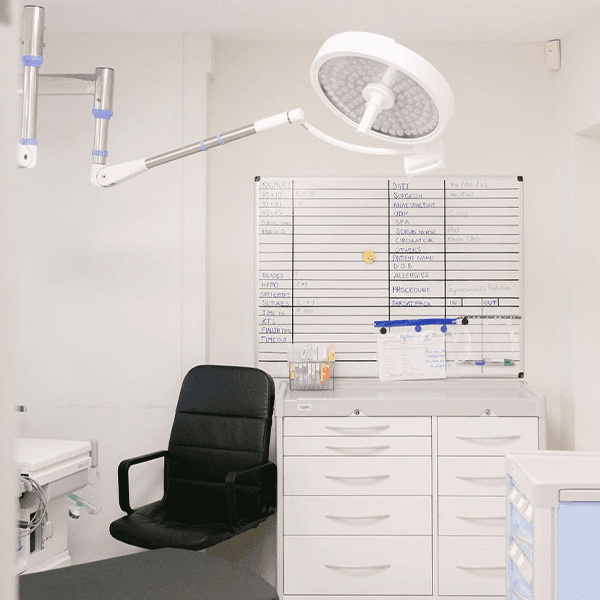
Professional microneedling is carried out using sterile, single-use cartridges in a regulated medical environment. Skin assessment, patient selection and aftercare form part of the overall treatment pathway


At-home microneedling typically involves rollers or consumer-grade pens purchased online. These devices create superficial micro-channels in the epidermis and are often marketed as affordable alternatives to clinic treatments.
However, there are important limitations:
Without appropriate training, there is a risk of over-treating, under-treating or compromising the skin barrier. In certain cases, this may result in prolonged inflammation, post-inflammatory hyperpigmentation or infection.
Effective collagen induction requires penetration to specific dermal levels. SkinPen treatments are calibrated to reach these depths safely and predictably.
At-home devices are intentionally limited to shallow penetration, which restricts their ability to remodel deeper tissue. As a result, outcomes tend to be modest and temporary.
Microneedling breaches the skin barrier. As such, sterility is critical.
Clinical treatments utilise single-use, sterile needle cartridges within a controlled environment. At-home devices are reused and difficult to sterilise adequately, increasing the potential for bacterial introduction and subsequent inflammation.
At 101 Harley Street, all skin procedures are approached through consultation. Skin type, medical history, previous treatments and long-term goals are considered before proceeding.
At-home microneedling follows a uniform approach, without adjustment for anatomical variation or underlying conditions. This absence of medical oversight is one of the most significant differences.
Professional microneedling supports controlled wound healing and collagen regeneration. The objective is stimulation without trauma.
Improper technique at home can disrupt the epidermal barrier, leading to sensitivity, uneven pigmentation and extended recovery.
For the majority of patients, at-home microneedling is not recommended. Individuals with acne, rosacea, pigmentation disorders or compromised skin barriers are particularly vulnerable to complications.
For maintenance between professional treatments, medical-grade skincare is a safer and more predictable option.

When comparing SkinPen vs at-home microneedling, the most significant difference lies in depth control, sterility and clinical oversight. While at-home microneedling devices are widely marketed for skin rejuvenation, they are typically limited in needle depth and lack the precision necessary to stimulate meaningful dermal remodelling. Professional microneedling using SkinPen is a medically regulated treatment designed to create controlled micro-injuries at specific depths within the dermis, triggering collagen induction and elastin production in a predictable and measurable way.
At-home rollers and pens, by contrast, often operate at superficial depths and may produce inconsistent puncture patterns. Without proper anatomical assessment, there is also a risk of uneven penetration, post-inflammatory hyperpigmentation, infection or exacerbation of underlying skin conditions such as rosacea or acne. At 101 Harley Street, SkinPen treatments are performed following comprehensive consultation, where skin thickness, scarring patterns, pigmentation risk and healing capacity are evaluated. Clinical-grade microneedling is not simply about creating microchannels; it is about delivering controlled stimulation within safe parameters to optimise long-term skin integrity.
SkinPen is positioned within a broader treatment strategy rather than as a standalone trend-driven procedure. In a surgical-led clinic such as 101 Harley Street, professional microneedling may be recommended to improve acne scarring, refine texture, support peri-operative skin preparation or enhance recovery following certain facial procedures. The objective is to improve dermal quality in a structured and staged manner, rather than to produce temporary surface changes.
Patients considering SkinPen vs at-home microneedling should also understand that clinical treatments allow for tailored depth adjustment across different facial zones. The skin of the forehead, cheeks and peri-oral region varies in thickness and vascularity, requiring careful modulation. This level of precision is not achievable with consumer devices. Furthermore, professional protocols incorporate sterile technique, evidence-based aftercare guidance and ongoing review to minimise complications and optimise collagen stimulation.
While at-home devices may appear convenient, they cannot replicate the safety standards, anatomical assessment or therapeutic depth achieved with SkinPen in a medical setting. For patients seeking measurable improvement in scarring, laxity or textural irregularities, professional microneedling remains the more reliable and clinically appropriate option.


At 101 Harley Street, skin procedures are delivered within a broader clinical philosophy that prioritises:
Microneedling may form part of a wider regenerative or surgical journey. In some cases, it supports skin quality prior to procedures; in others, it assists recovery and collagen stimulation following intervention.
For patients seeking non-invasive skin treatments, microneedling and other regenerative options are available through L’Atelier Aesthetics, our dedicated aesthetic clinic within 101 Harley Street, where treatments are delivered with the same clinical oversight in a non-surgical setting.