
Regenerative injectable treatments are increasingly discussed in aesthetic medicine. Among the most common comparisons are Profhilo and polynucleotide-based treatments.
Although both aim to improve skin quality, their biological mechanisms and clinical objectives differ. At 101 Harley Street, treatment selection is guided by anatomical assessment, skin integrity and long-term structural considerations.
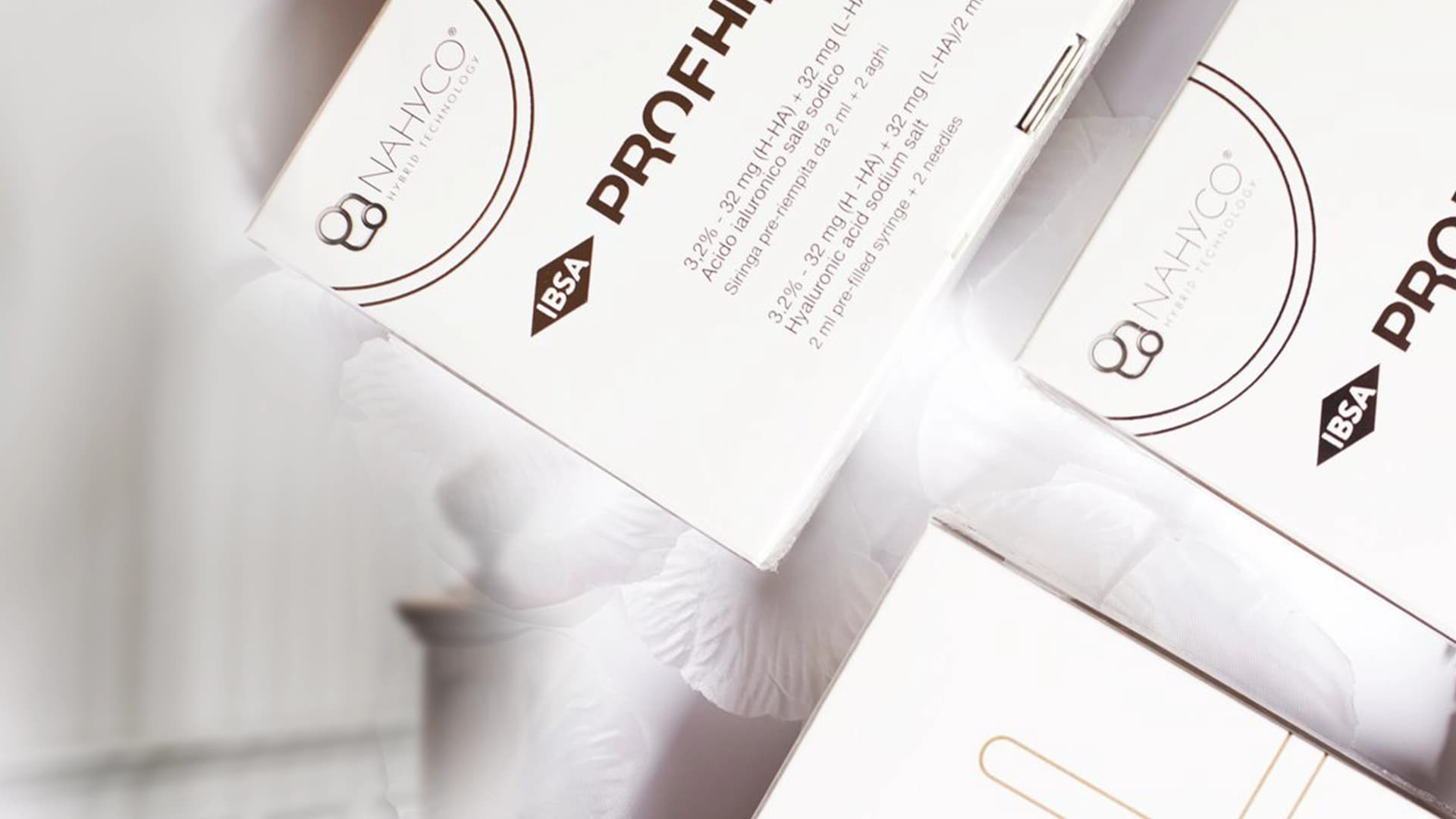
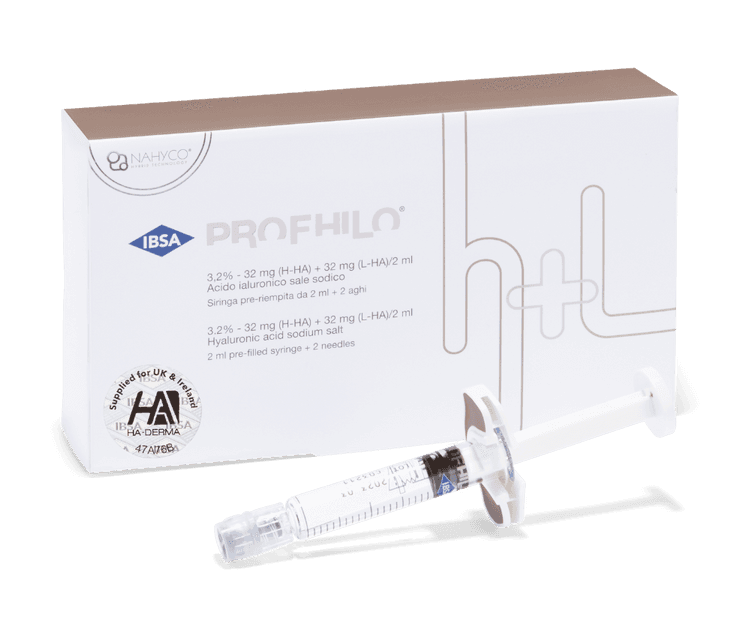
Profhilo is a high-concentration hyaluronic acid injectable designed to stimulate collagen and elastin production through bio-remodelling.
It is typically used for:
Skin laxity
Crepey texture
Thinning skin
Overall firmness improvement
Profhilo® disperses broadly beneath the skin and enhances tissue hydration and elasticity over time.

Polynucleotides are DNA-derived molecules that support cellular repair and tissue regeneration. They are often used to improve delicate or compromised skin, particularly around the eyes.
They are selected for:
Under-eye rejuvenation
Thin or fragile skin
Acne scarring
Skin inflammation support
Polynucleotides primarily focus on tissue repair and anti-inflammatory support rather than hydration alone.
Profhilo®: Collagen and elastin stimulation via hyaluronic acid bio-remodelling
Polynucleotides: Cellular repair and regenerative signalling
Profhilo® is commonly used for the face, neck and hands.
Polynucleotides are frequently selected for delicate areas such as the peri-orbital region.
Profhilo® enhances hydration and firmness.
Polynucleotides improve skin resilience and cellular recovery.
Professional microneedling supports controlled wound healing and collagen regeneration. The objective is stimulation without trauma.
Improper technique at home can disrupt the epidermal barrier, leading to sensitivity, uneven pigmentation and extended recovery.
When comparing Profhilo and Polynucleotides, it is essential to move beyond trend-driven language and examine how each product behaves at a tissue level. Although both treatments are categorised within regenerative injectables, their mechanisms differ significantly. Profhilo is a stabilised hyaluronic acid complex designed to disperse within the superficial and mid-dermis, improving hydration and stimulating collagen and elastin production through bio-remodelling. Polynucleotides, by contrast, are DNA-derived fragments that act at a cellular level to support tissue repair, fibroblast activity and dermal regeneration.
At 101 Harley Street, treatment selection is based on structural assessment rather than marketing terminology. Skin thickness, elasticity, degree of laxity and evidence of photodamage are evaluated alongside facial proportions and long-term ageing trajectory. Profhilo may be indicated in patients experiencing early skin laxity and global dehydration, particularly in the lower face and neck. Polynucleotides are often selected where there is compromised skin quality, thinning dermis or delicate areas requiring regenerative support, such as the peri-orbital region. Understanding these biological differences ensures the chosen treatment aligns with anatomical need and produces outcomes that remain natural over time.
Injectable skin treatments should not be viewed in isolation. At a surgical-led clinic such as 101 Harley Street, Profhilo and Polynucleotides are frequently considered within a broader aesthetic strategy that may include surgical procedures, energy-based devices or adjunctive regenerative treatments. In pre-surgical patients, improving skin quality can enhance healing capacity and optimise overall outcomes. Post-operatively, regenerative injectables may support tissue recovery, improve texture and maintain skin integrity as the face continues to age.
Importantly, neither Profhilo nor Polynucleotides replace surgical intervention where structural repositioning is required. Instead, they enhance skin behaviour and resilience. During consultation, factors such as prior filler use, history of facial surgery, hormonal changes and lifestyle influences are discussed in detail. This ensures that treatment is selected for clinical suitability rather than popularity. A measured, anatomy-led approach allows patients to benefit from regenerative technologies while preserving facial harmony, supporting results that evolve gracefully rather than appearing artificially altered.

While regenerative injectables can improve skin quality, they do not restore lost volume or reposition descended tissue.
Where structural ageing is more advanced, dermal fillers or surgical intervention may be required to achieve meaningful correction.
At 101 Harley Street, regenerative treatments are incorporated into a broader facial rejuvenation plan when appropriate.
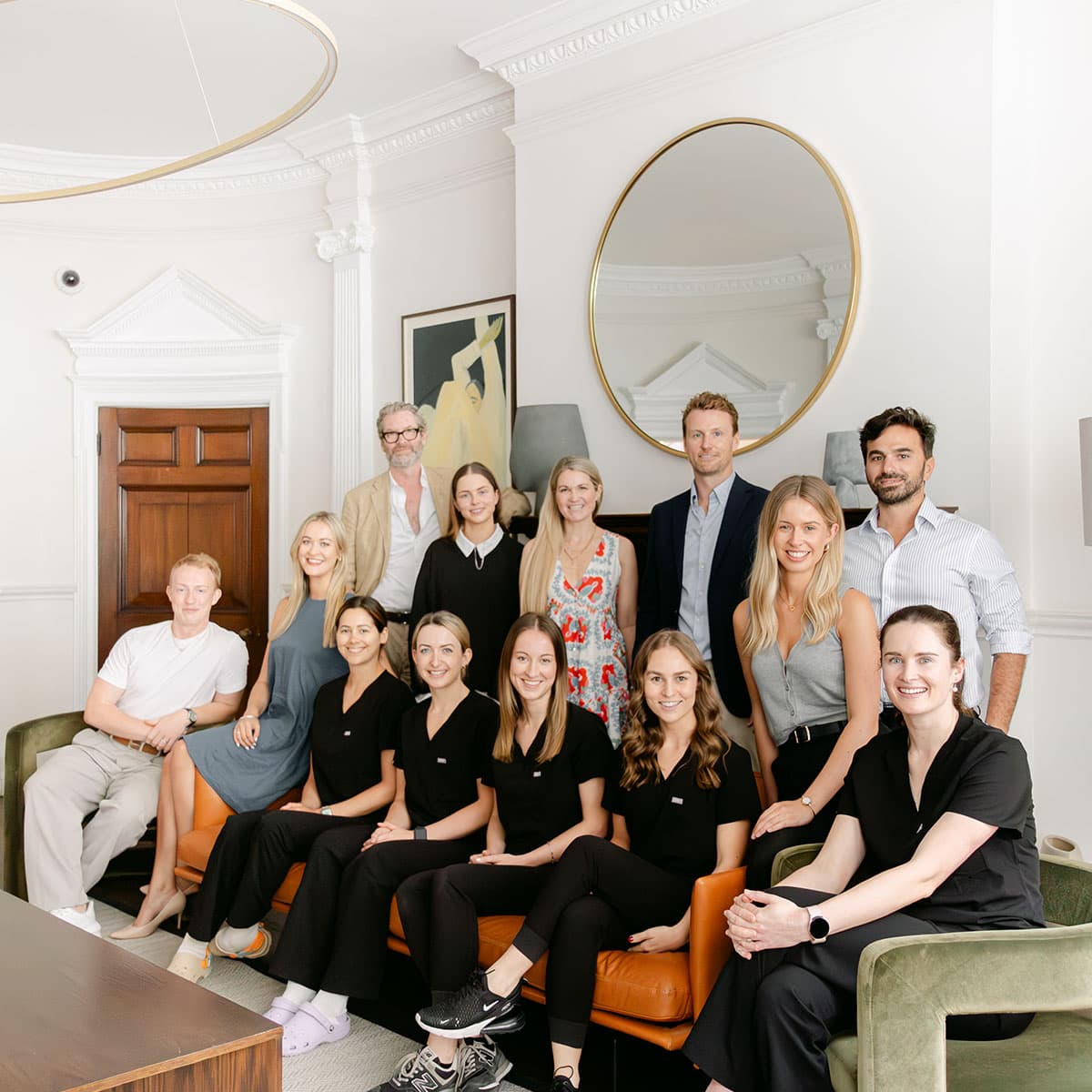
For patients seeking Profhilo® or polynucleotide treatments within a dedicated non-surgical environment, these are available through L’Atelier Aesthetics at 101 Harley Street, ensuring continuity between surgical and aesthetic care.