


Learn how to maintain facelift results with expert guidance on aftercare, skin treatments and long term maintenance to support lasting, natural outcomes.
A supportive guide to long-term care after facelift surgery, a patient-focused article from 101 Harley Street.
Facelift surgery can deliver transformative, natural looking results by repositioning deeper facial structures and restoring youthful contours. However, surgery is only one part of the journey. How you care for your skin and tissues in the months and years that follow plays a significant role in how well those results are maintained.
Understanding how to maintain facelift results means thinking beyond the immediate recovery period and taking a long-term, future-focused approach. At 101 Harley Street, facelift surgery is supported by a structured plan that integrates aftercare, skin treatments and ongoing aesthetic support to help preserve results over time.
A facelift addresses structural ageing, but it does not stop the natural ageing process. Skin quality, collagen production and environmental factors such as sun exposure continue to influence how the face changes.
By supporting the skin and underlying tissues after surgery, patients can help maintain firmness, texture and overall facial balance. A proactive approach also allows subtle changes to be addressed early, rather than waiting for more noticeable ageing to occur.

The early weeks following facelift surgery are focused on healing and settling.
During this phase, swelling and fluid retention are common. Gentle, specialist-led lymphatic drainage after facelift surgery may be recommended to support circulation, reduce swelling and promote tissue recovery. These treatments are carefully timed and performed only when appropriate, following surgical guidance.
Rest, head elevation and adherence to post-operative instructions are essential during this stage. The goal is to allow tissues to heal optimally and establish a strong foundation for long-term results.


Once healing is complete and the skin has stabilised, medium-term treatments may be introduced to enhance skin quality.
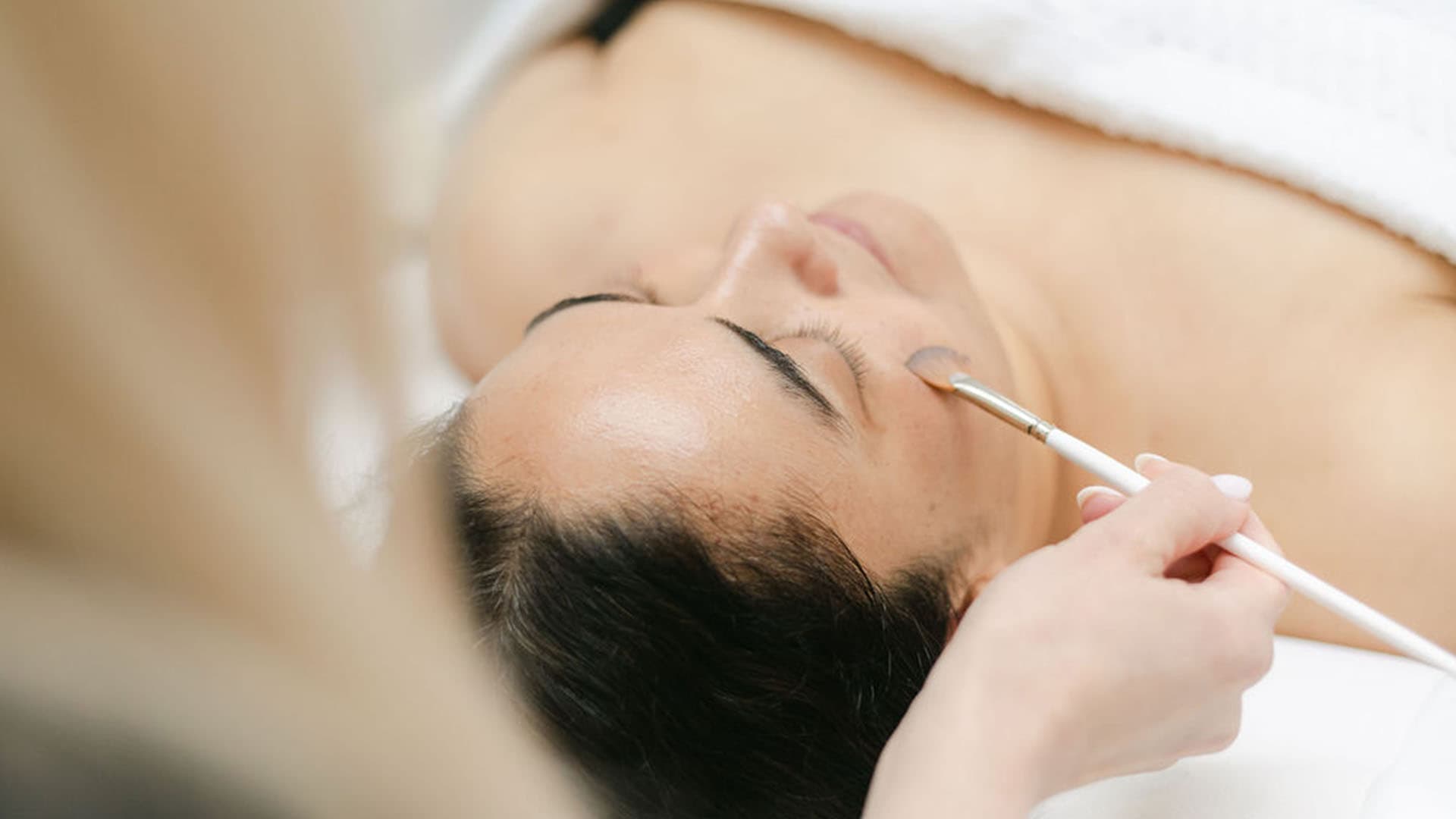
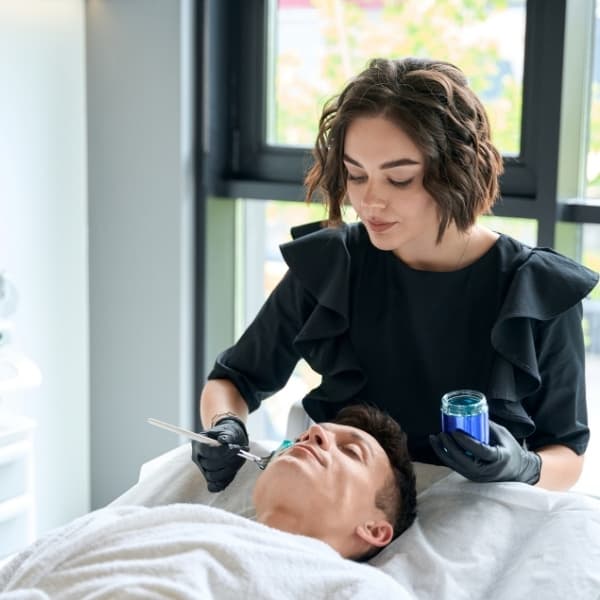
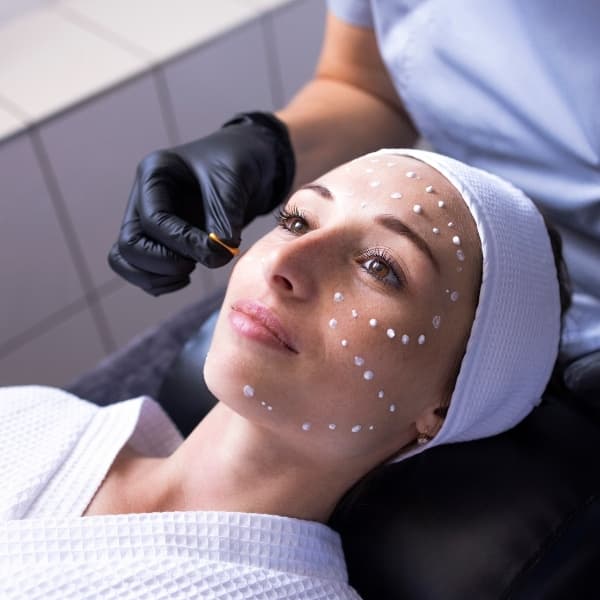
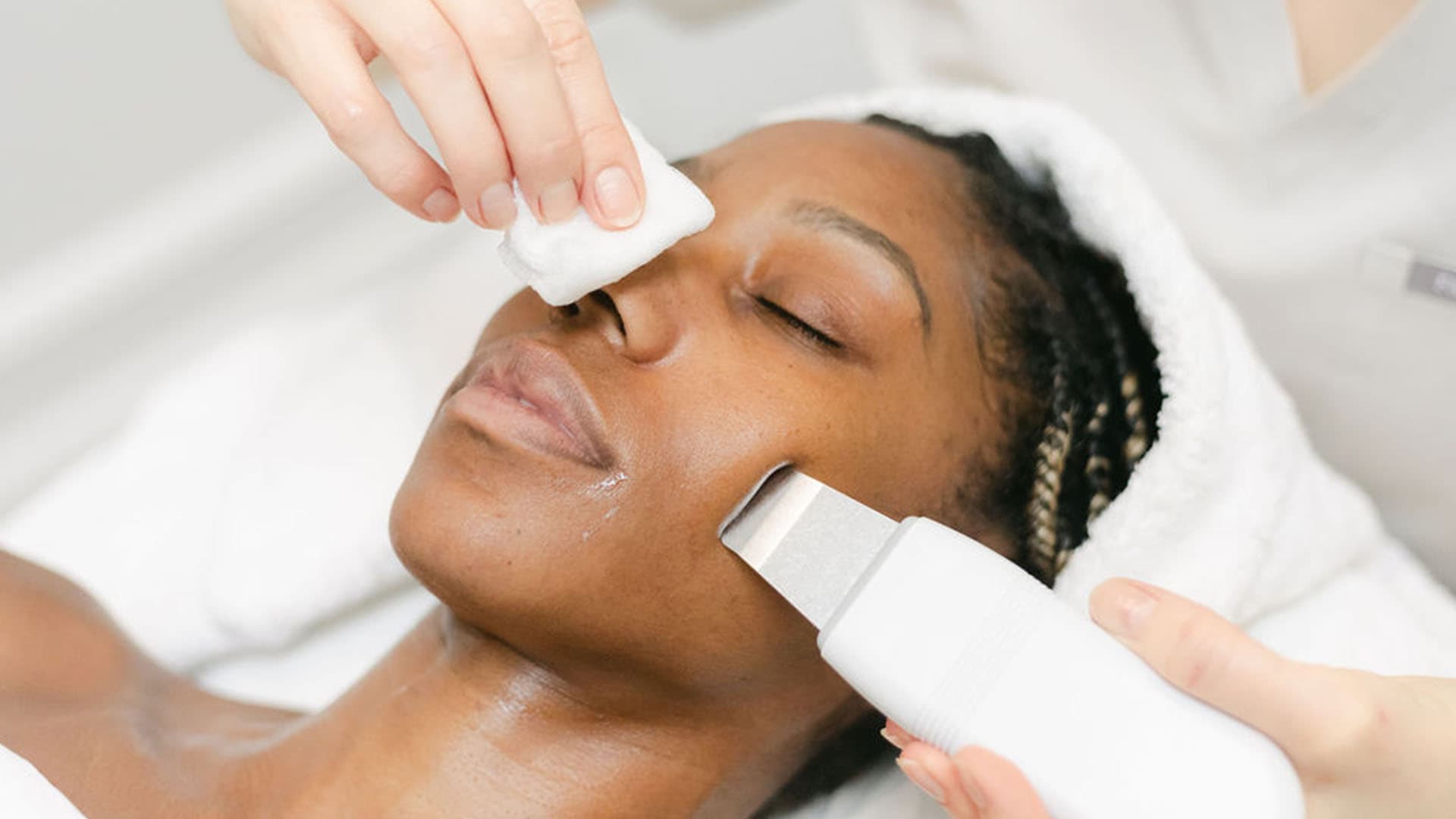
Treatments such as laser therapy, microneedling and gentle chemical peels can help improve texture, tone and collagen stimulation. These facelift maintenance treatments are selected based on skin type, sensitivity and surgical recovery.
Importantly, these treatments are not designed to replace surgery, but to complement it. By improving the quality of the skin overlying repositioned structures, results appear more refined and youthful.

As time passes, energy-based treatments can play a valuable role in maintaining skin firmness.
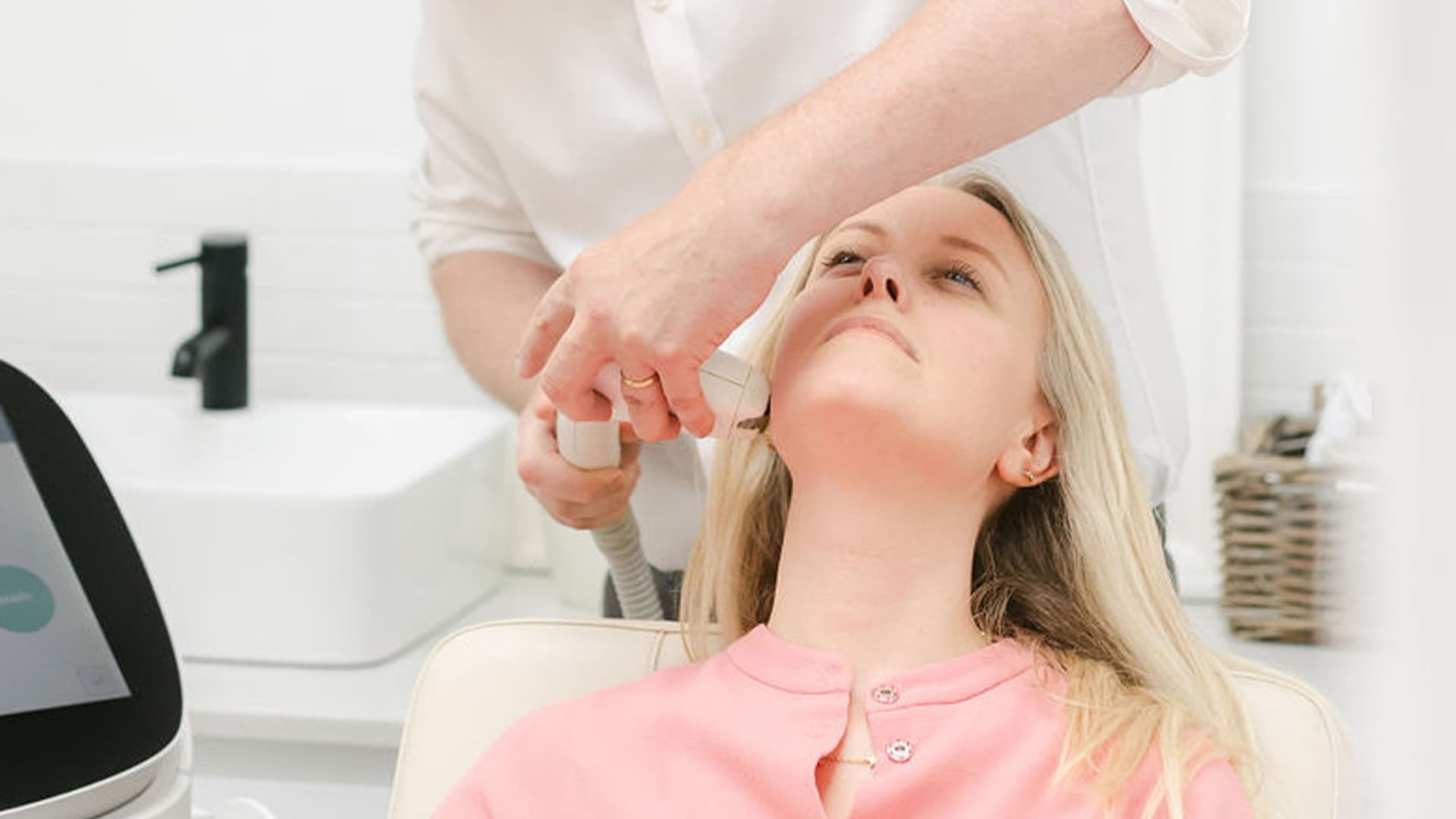
Sofwave after facelift surgery is one example of a non-invasive treatment that stimulates collagen and elastin production using ultrasound energy. It is commonly used to support skin tightening and resilience without disrupting surgical results.
These treatments are typically introduced well after surgery and are spaced appropriately to align with natural ageing changes. Used correctly, they can help prolong the benefits of a facelift and delay the need for further surgical intervention.

Daily skincare is one of the most powerful tools for maintaining facelift results.
Medical grade skincare supports collagen health, protects against environmental damage and improves overall skin quality. Products are selected based on individual skin needs and often include ingredients such as retinoids, antioxidants and broad spectrum sun protection.
Consistency is key. Long-term improvements come from regular use rather than occasional intervention, making skincare a foundational part of post-facelift care.

One of the most effective ways to maintain facelift results is through an integrated approach that combines surgery with aesthetic treatments.
At 101 Harley Street, this collaborative care is supported by L’Atelier Aesthetics. Working alongside surgical teams, L’Atelier Aesthetics provides skin-focused treatments that are carefully timed and tailored following facelift surgery.
This combination approach ensures continuity of care, allowing treatments to evolve as the face changes while preserving the integrity of surgical results.

Maintaining facelift results is about consistency, planning and long-term care. From early recovery support and lymphatic drainage, through to skin treatments, energy based therapies and daily skincare, each step plays a role in preserving surgical outcomes.
By approaching facelift surgery as part of a broader aesthetic plan, patients can enjoy results that remain natural, balanced and refreshed for years to come. At 101 Harley Street, this future-focused philosophy ensures care continues well beyond the operating theatre.
Facelift results are long lasting, but they do not stop the ageing process. With good skincare, healthy lifestyle habits and appropriate maintenance treatments, many patients enjoy their results for many years while ageing in a natural, balanced way.
The timing of maintenance treatments depends on individual healing and the type of treatment being considered. Gentle treatments may be introduced once initial healing is complete, while energy-based treatments are typically delayed until tissues have fully stabilised.
Lymphatic drainage can be safe and beneficial when performed by trained practitioners and introduced at the appropriate stage of recovery. It is always recommended under the guidance of your surgical team.
When planned correctly, non-surgical treatments support surgical outcomes rather than interfere with them. Treatments are selected and timed carefully to protect healing tissues and enhance skin quality.
Energy-based treatments are optional and not essential for everyone. They may be recommended to support collagen production and skin firmness over time, depending on skin quality and ageing changes.
Yes. Medical grade skincare plays a significant role in maintaining skin health, protecting collagen and preserving the quality of facelift results long term. Consistent daily care is one of the most effective ways to support lasting outcomes.