



blephoplasty-surgery-marker-pen

Deep Plane Facelift vs Ponytail Facelift

  • Blogs
  • Face
  • Surgical vs Non-Surgical
  • Treatment Comparisons

Confused by facelift terminology? Learn the real differences between deep plane facelift vs ponytail facelift, including longevity, depth and suitability.

Deep Plane Facelift vs Ponytail Facelift

Understanding modern facelift terminology and what truly matters, a patient-focused article from 101 Harley Street 

Facelift terminology has become increasingly confusing. Phrases such as ‘ponytail facelift’ are widely used online and on social media, often alongside more established surgical terms like the deep plane facelift. While these names may sound similar, they do not describe equivalent procedures.

When researching deep plane facelift vs ponytail facelift, it is important to separate marketing language from surgical reality. At 101 Harley Street, facelift surgery is approached with clarity and precision, ensuring patients understand exactly what a procedure involves and what outcomes it can realistically deliver.

This article explains the genuine differences between these two terms, how they relate to modern facelift techniques, and how surgeons determine which approach is most appropriate.

Why Facelift Terminology Is Confusing

In recent years, facelift terminology has shifted. Traditional medical terms are now often paired with more lifestyle focused language designed to appeal to younger patients or those concerned about looking ‘overdone’.

The term ‘ponytail facelift’ has gained popularity largely through marketing and social media. It suggests a lifted, refreshed appearance with minimal downtime. However, it is not a recognised surgical classification in the same way as a deep plane facelift.

Understanding what these terms actually mean helps patients make informed decisions and avoid unrealistic expectations.

What Is a Deep Plane Facelift

A deep plane facelift is an advanced surgical technique that addresses ageing at its structural level.

Rather than tightening only the skin, this procedure works beneath the superficial musculoaponeurotic system, commonly known as the SMAS. By releasing and repositioning deeper facial tissues, the surgeon can restore natural contours to the cheeks, jawline and midface.

One of the key deep plane facelift benefits is that it lifts the face as a single unit rather than pulling skin independently. This allows results to appear more natural and reduces tension on the skin itself.

Because the lift is structural, results are typically longer lasting than more superficial facelift techniques. The approach is particularly effective for patients with moderate to advanced facial ageing, including sagging in the lower face and jowls.

What Is a Ponytail Facelift

The term ‘ponytail facelift’ is not a specific surgical technique. Instead, it is a descriptive phrase used to suggest a lifted appearance similar to the effect of pulling hair back into a ponytail.

In practice, what is marketed as a ponytail facelift often refers to a limited incision facelift or a modified SMAS based procedure. These techniques focus on smaller incisions, often placed higher around the hairline, and are typically aimed at patients with early signs of ageing.

A ponytail facelift does not usually involve deep plane dissection. As a result, it does not reposition deeper facial structures to the same extent and is not designed to address significant skin laxity or jowling.

Understanding this distinction is essential when comparing ponytail facelift explained content with established facelift surgery.

patient-doctor-surgery-theatre

Key Differences Between Deep Plane and Ponytail Facelifts

When comparing deep plane facelift vs ponytail facelift, the differences relate to depth, durability and suitability.

Depth of Correction

A deep plane facelift works on deeper facial layers, repositioning muscle and fat to restore youthful structure. A ponytail facelift typically focuses on more superficial lifting, often with limited structural change.

Longevity of Results

Because a deep plane facelift addresses the underlying causes of facial sagging, results tend to last longer. Ponytail style facelifts may offer a refreshed appearance but often have a shorter lifespan, particularly as ageing progresses.

Who Each Suits

Deep plane facelifts are suited to patients with more advanced signs of ageing who want comprehensive facial rejuvenation. Ponytail facelifts are generally aimed at younger patients with early laxity who want subtle improvement rather than transformation.

Key Differences Between Deep Plane and Ponytail Facelifts

ConsiderationDeep Plane FaceliftPonytail Facelift

Depth of correction

Works on deeper facial layers beneath the SMAS

Primarily superficial lifting

Tissues repositioned

Muscle and fat are released and repositioned

Limited repositioning of deeper structures

Structural rejuvenation

Yes, addresses underlying facial ageing

Minimal structural change

Longevity of results

Typically long lasting

Often shorter lasting

Effect on facial contours

Restores natural cheek, jawline and midface support

Provides a lifted appearance without full contour correction

Suitability by age

Moderate to advanced signs of ageing

Early ageing and mild laxity

Degree of change

Comprehensive rejuvenation

Subtle enhancement

Reliance on skin tension

Minimal, lift comes from deeper layers

Greater reliance on superficial tightening

Which Looks More Natural

A natural result is not determined by how small an incision is or how the procedure is marketed. It depends on how the facial tissues are handled and repositioned.

Deep plane facelifts are widely regarded as one of the most natural looking types of facelift surgery when performed correctly. By lifting deeper structures rather than tightening skin, the face retains softness and expression.

Ponytail facelifts can look natural in carefully selected patients with minimal ageing changes. However, when used beyond their appropriate indications, they may not deliver balanced or lasting results.

How Surgeons Choose the Right Facelift

Choosing the right facelift technique is a clinical decision guided by anatomy, ageing patterns and patient goals.

At 101 Harley Street, surgeons assess skin quality, tissue descent, facial volume and overall facial harmony. Lifestyle factors, recovery expectations and long term outcomes are also discussed in detail.

Rather than selecting a procedure based on name alone, surgeons focus on which technique will provide the safest and most natural result for each individual. In some cases, elements of different modern facelift techniques may be combined to achieve the best outcome.

Is a ponytail facelift a real surgical procedure?

The term ponytail facelift is not a formal surgical classification. It is a marketing phrase used to describe limited incision or superficial lifting techniques designed to create a subtle, lifted appearance. The exact surgical approach can vary and should always be clarified during consultation.

How is a deep plane facelift different from other facelift techniques?

A deep plane facelift works on deeper facial layers, repositioning muscle and fat rather than relying on skin tightening alone. This allows for more natural looking results and longer lasting correction compared to more superficial facelift techniques.

Which facelift technique looks more natural?

Natural results depend on how facial tissues are handled rather than the name of the procedure. Deep plane facelifts are widely regarded as one of the most natural looking options when performed by an experienced surgeon, as they restore facial structure without creating tension in the skin.

Is the recovery longer with a deep plane facelift?

Recovery time varies between individuals, but a deep plane facelift generally involves a more involved healing period than limited or superficial procedures. However, many patients feel the longevity and quality of results justify the recovery time.

Who is a ponytail facelift best suited to?

Ponytail style facelifts are typically suited to younger patients with early signs of ageing and good skin elasticity. They are not designed to correct significant sagging or deeper structural changes.

How do surgeons decide which facelift is right for me?

The choice of facelift technique is based on facial anatomy, degree of ageing, skin quality and desired outcome. A detailed consultation allows the surgeon to recommend the approach that will provide balanced, natural looking and long lasting results.

A Personalised Tailored Approach

When comparing deep plane facelift vs ponytail facelift, it is important to recognise that these terms do not represent equal surgical options. A deep plane facelift is a well established, structurally focused procedure designed for long lasting rejuvenation. A ponytail facelift is a marketing term that usually refers to more limited lifting techniques suited to early ageing changes.

Understanding the difference allows patients to approach consultation with clarity and realistic expectations. At 101 Harley Street, facelift surgery is always tailored, ensuring technique selection is based on anatomy, ageing and long-term facial balance rather than trends.

Book your treatment
101-doorway-arch
surgery-team-square

Follow us on Instagram

Where calm meets care ✨
Our beautiful waiting room at 101 Harley Street - designed to make your experience as comfortable and reassuring as possible before your day surgery. 🤍

#HarleyStreet #DaySurgery #PatientCare #101HarleyStreetStep inside our theatre space ✨
Where expertise, precision, and compassion come together in our day surgery unit at 101 Harley Street. Because every detail matters. 
#101HarleyStreet #DaySurgery #Theatre✨✨✨Pre-op checks, done with care 🤍

Ensuring every patient is ready, comfortable, and in safe hands.

#DaySurgery #PatientSafety #HarleyStreet #101HarleyStreet✨ Meet Rebecca – Patient & Operations Coordinator ✨

From your very first enquiry through to post-operative care, Rebecca is your dedicated point of contact at 101 Harley Street.

She is here to:
	•	Guide you through the entire surgical journey
	•	Answer every enquiry with clarity and care
	•	Coordinate pre- and post-operative support
	•	Ensure our surgeons are fully supported, so your experience runs seamlessly

📱 WhatsApp: 07307 447168
📧 Email: clientcare@101hs.co.uk

Your journey starts and continues, with Rebecca 🤍Introducing Dr. Nicki Bystrzonowski ✨

A highly skilled Plastic Surgeon, Dr. Nicki specialises in complex microsurgical reconstruction as well as a wide range of aesthetic and reconstructive procedures. Her meticulous approach, dedication to patient care, and ability to restore both form and function make her a valued addition to our expert team.

@dr_nicki_bystrzonowski 

#HarleyStreet #101HarleyStreet #PlasticSurgery #PlasticSurgeryLondon #Microsurgery #ReconstructiveSurgery #AestheticSurgery #DrNickiBystrzonowski #ExpertCare #HarleyStreetSurgeon #DaySurgeryUnit✨✨✨🌿✨Serenity on Harley Street.
A space where science meets self-care, surrounded by greenery and calm. 

@latelieraesthetics 

#LatelierAesthetics #HarleyStreet #SkinWellness #101HarleyStreet #Skincare

How can you find us?

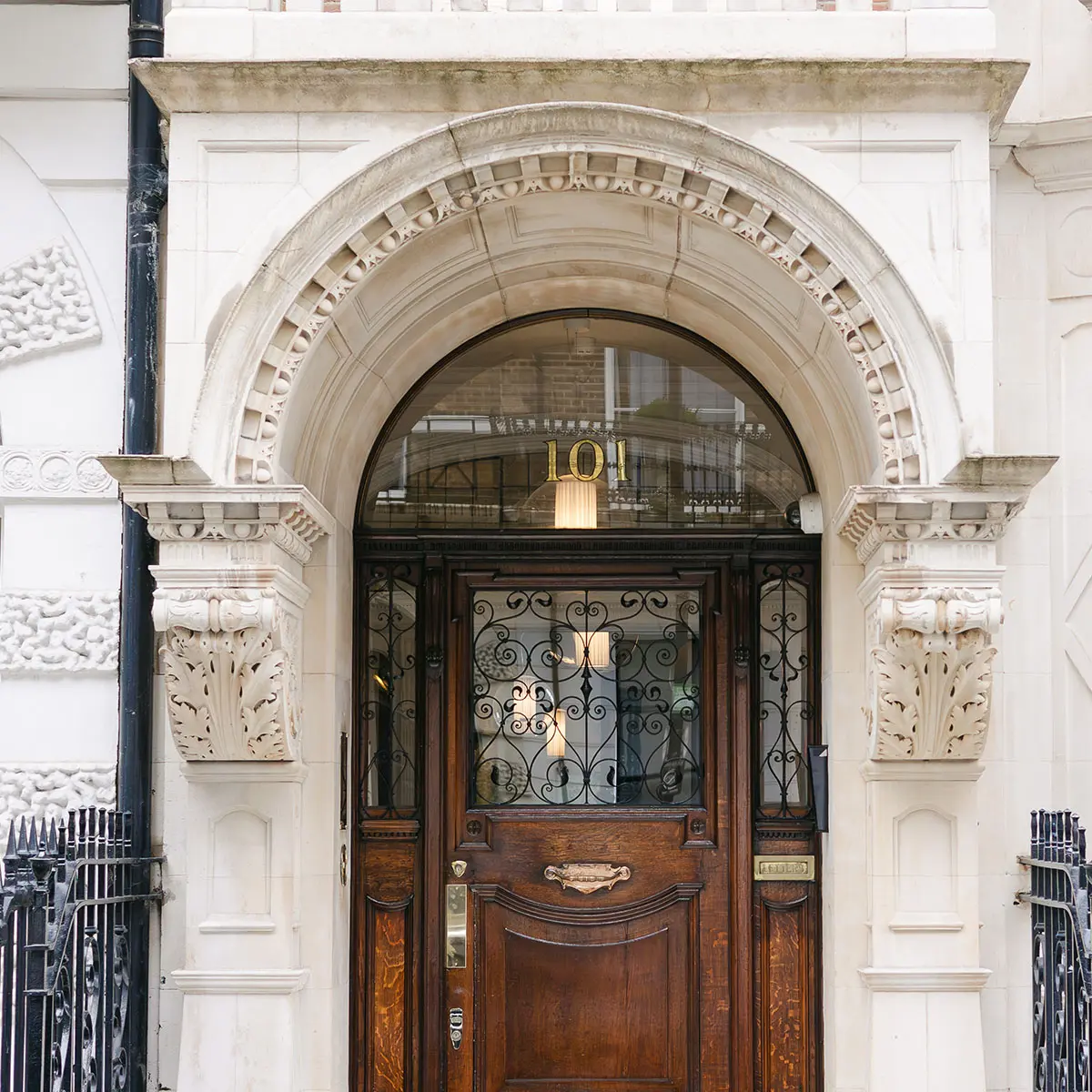
Our surgery is located on Harley Street in Marylebone, London, within one of the world’s most prestigious and historic medical districts. Situated at 101 Harley Street, the clinic offers a discreet and refined setting in the heart of Central London, bringing together leading consultants, advanced facilities and personalised care.

We welcome patients from across the world, as well as patients travelling to London from across the UK and internationally for specialist medical, surgical and aesthetic treatments.

Our location benefits from excellent transport connections. Regent’s Park, Oxford Circus and Baker Street Underground stations are all within easy walking distance, while major London rail stations and international airports  including Heathrow, Gatwick and London City provide convenient access for national and international visitors.

Whether you are travelling from within London or further afield, our Harley Street clinic provides a calm, professional environment designed to deliver exceptional care in one of the capital’s most respected medical locations.

 

Opening hours
Monday
9 am–5 pm
Tuesday
9 am–5 pm
Wednesday
9 am–5 pm
Thursday
9 am–5 pm
Friday
9 am–5 pm
Saturday
9 am–5 pm
Sunday
Closed
101 Harley Street Day Surgery
101 Harley St, London W1G 6AH
Get directions
Speak to a specialist
Whatsapp