




Learn the difference between a brow lift and upper blepharoplasty, and discover which procedure is right for you at 101 Harley Street, London.
Understanding the difference and choosing the right procedure, a patient-focused article from 101 Harley Street
The area around the eyes and brows is one of the first regions of the face to show visible signs of ageing. Subtle changes in brow position, eyelid skin and the supporting tissues can lead to heaviness, hooding, shadowing and a tired or stern appearance that often does not reflect how a person feels.
Two procedures are commonly used to rejuvenate this area: a brow lift and upper blepharoplasty. Although they are closely related anatomically, they address different ageing mechanisms and achieve distinct aesthetic outcomes.
At 101 Harley Street, patients are guided through these nuances with clarity and precision. The goal is always to identify the true source of ageing and recommend the procedure, or combination of procedures, that will restore balance and openness to the upper face while preserving natural expression.
Upper blepharoplasty is a surgical procedure that removes excess skin and, where appropriate, refines underlying muscle or fat from the upper eyelid. It is designed for individuals whose eyelids appear heavy, hooded or asymmetrical due to redundant skin or soft tissue descent.
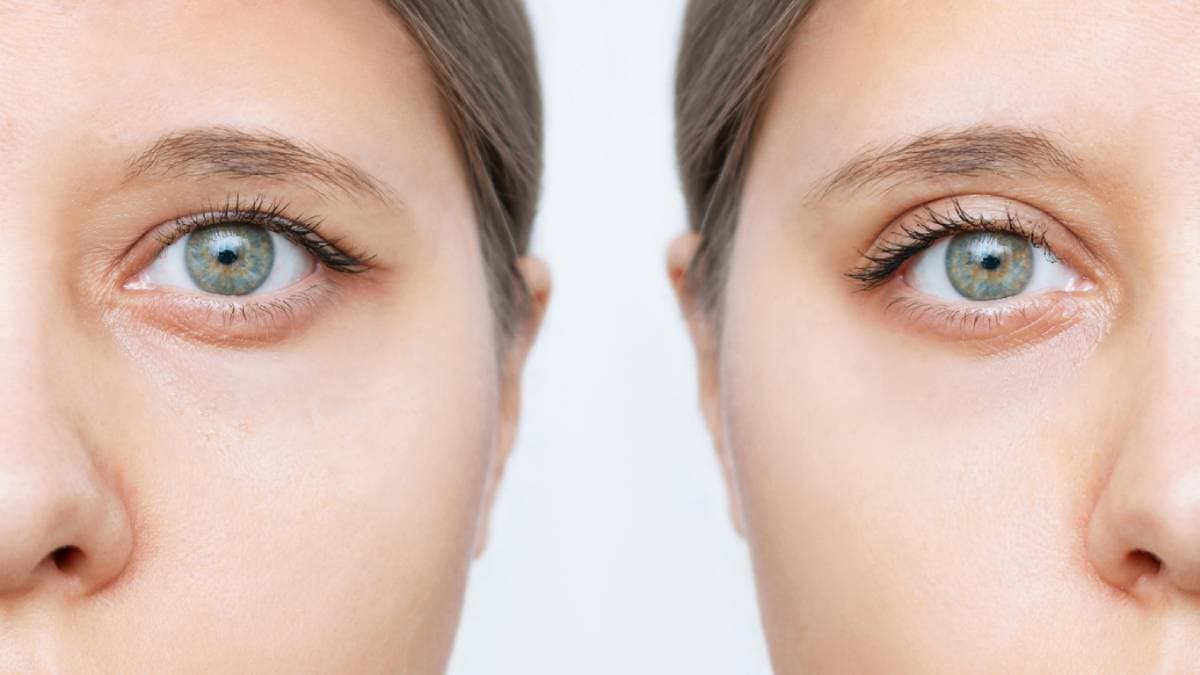
Upper blepharoplasty can restore the natural contour of the upper eyelid, reduce hooding that may obscure makeup application or peripheral vision, improve eyelid symmetry and create a fresher, more alert appearance. It is particularly effective when the primary issue lies within the eyelid itself.
Importantly, upper blepharoplasty does not raise the brow. It treats the eyelid only, which is why accurate assessment of brow position is essential before proceeding.

A brow lift repositions the brow to a more youthful and anatomically appropriate height. With age, the brow can descend, placing downward pressure on the upper eyelid and creating heaviness that cannot be corrected by eyelid surgery alone.
A brow lift can elevate a low or heavy brow, improve hooding caused by brow descent, soften horizontal forehead lines and open the eye area by lifting tissue away from the upper eyelids. It also restores balance between the brow, eyelid and forehead muscles.
Several techniques may be used, including minimal incision or endoscopic approaches, depending on anatomy, degree of descent and desired outcome.

Because the brow and eyelid function as a single aesthetic unit, distinguishing the origin of ageing is critical. During consultation, surgeons assess several key factors.
The position of the brow is evaluated first. If the brow has descended below its natural position, excess eyelid skin may be secondary, and removing skin alone can lead to incomplete or unsatisfactory results.
The quality and quantity of eyelid skin are then assessed. True eyelid redundancy is best treated with upper blepharoplasty, regardless of brow position.
Muscle activity also provides important clues. Patients who subconsciously lift their brows to compensate for heaviness often have underlying brow descent that should be addressed directly.
Finally, aesthetic goals are discussed. Some patients prefer subtle refinement without altering brow height, while others seek a more open, lifted appearance across the entire upper face.
| Brow Lift | Upper Blepharoplasty |
|---|---|
Repositions the eyebrow to a higher, more youthful position | Repositions the eyebrow to a higher, more youthful position |
Treats ageing that originates from brow descent | Treats ageing that originates from eyelid skin redundancy |
Improves heaviness caused by downward pressure from the brow | Improves heaviness caused by excess eyelid skin |
Opens the eye area by lifting tissue upward | Opens the eye area by refining the eyelid itself |
Can soften horizontal forehead lines | Does not affect forehead lines |
Affects the entire upper third of the face | Focuses only on the eyelid |
Suitable when brow position is low | Suitable when brow position is normal |
May be performed using endoscopic or minimal incision techniques | Incisions hidden within the natural eyelid crease |
Upper blepharoplasty is typically recommended when excess eyelid skin is the primary concern and brow position is normal or slightly elevated. It is well suited to patients experiencing heaviness, hooding or asymmetry confined to the eyelids, including those whose vision is affected by skin overhang.
It is also commonly chosen by patients with hereditary heavy lids who develop changes earlier in life and want a refined, natural result without altering forehead or brow position.
A brow lift is often the preferred option when the brow has descended below its ideal position and contributes significantly to upper eyelid heaviness or shadowing. In these cases, blepharoplasty alone may not provide sufficient improvement and can risk removing too much eyelid skin if the brow is not first repositioned.
Patients with prominent horizontal forehead lines caused by constant brow elevation, or those seeking a brighter, more open appearance across the upper third of the face, may benefit more from a brow lift.
Yes. Many patients achieve the best outcome by combining a brow lift with upper blepharoplasty. When both brow descent and eyelid redundancy are present, treating only one area may leave residual heaviness. A combined approach allows each structure to be repositioned appropriately, resulting in a balanced and harmonious rejuvenation.

Although brow lifts and upper blepharoplasty provide the most definitive correction of structural ageing, non-surgical treatments at L’Atelier Aesthetics can play a supportive role.
Targeted injectable treatments may relax muscles that pull the brow downward, offering a subtle and temporary lift in suitable candidates. Dermal fillers can improve support in areas such as the temples or brow when volume loss contributes to heaviness. Thread lifts may offer mild elevation for early changes, while skin quality treatments such as medical skincare, laser resurfacing or fractional radiofrequency can improve texture and crepiness around the eyelids.
These treatments are not substitutes for surgery when true structural descent is present, but they can enhance results or delay the need for surgical intervention in selected patients.

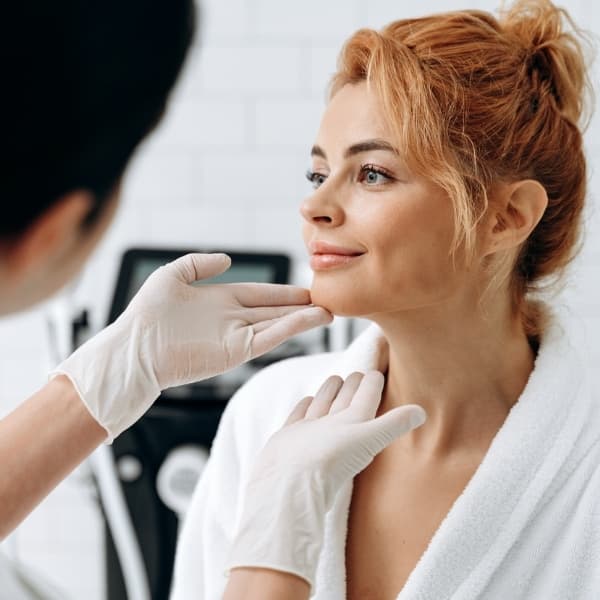
Selecting between a brow lift and upper blepharoplasty depends on anatomy, the mechanical cause of heaviness or hooding, desired level of rejuvenation and long-term expectations. A detailed consultation allows surgeons to evaluate each anatomical layer and recommend a tailored plan that preserves natural balance and expression.
At 101 Harley Street, this process ensures clarity, confidence and results that feel appropriate rather than overdone.
A consultation is essential. Brow descent points towards a brow lift, while true eyelid skin excess is best treated with blepharoplasty.
Yes. Many patients benefit from a combined approach for comprehensive upper face rejuvenation.
Both procedures offer long lasting improvement, with longevity influenced by anatomy, lifestyle and ageing patterns.
They can support or delay surgery, but cannot correct significant brow descent or excess skin.
Recovery varies by technique, but upper blepharoplasty generally involves a shorter recovery period.