










Considering breast implants under the muscle vs over the muscle? Learn how implant placement affects appearance, recovery and long-term results at 101 Harley Street.
A patient-focused article, from 101 Harley Street
Choosing to have breast augmentation is a highly personal decision. While implant size and shape are often the first things people think about, implant placement is just as important. Whether breast implants are placed under the muscle or over the muscle can influence how natural the result looks, how the breasts feel, how recovery progresses, and how the implants behave over time.
At 101 Harley Street, breast augmentation is always approached on an individual basis. This article explains the differences between breast implants under the muscle vs over the muscle, helping you understand how anatomy, lifestyle and personal goals all play a role in choosing the most appropriate placement.
Implant placement affects the way the implant integrates with your body. It can influence:
The overall breast shape and contour
How visible or discreet the implant appears
The likelihood of rippling
Comfort during recovery
Long-term aesthetic stability
Rather than being a technical detail, placement is a core part of surgical planning and is tailored carefully for each patient.

There are two main breast implant placement options used in breast augmentation.
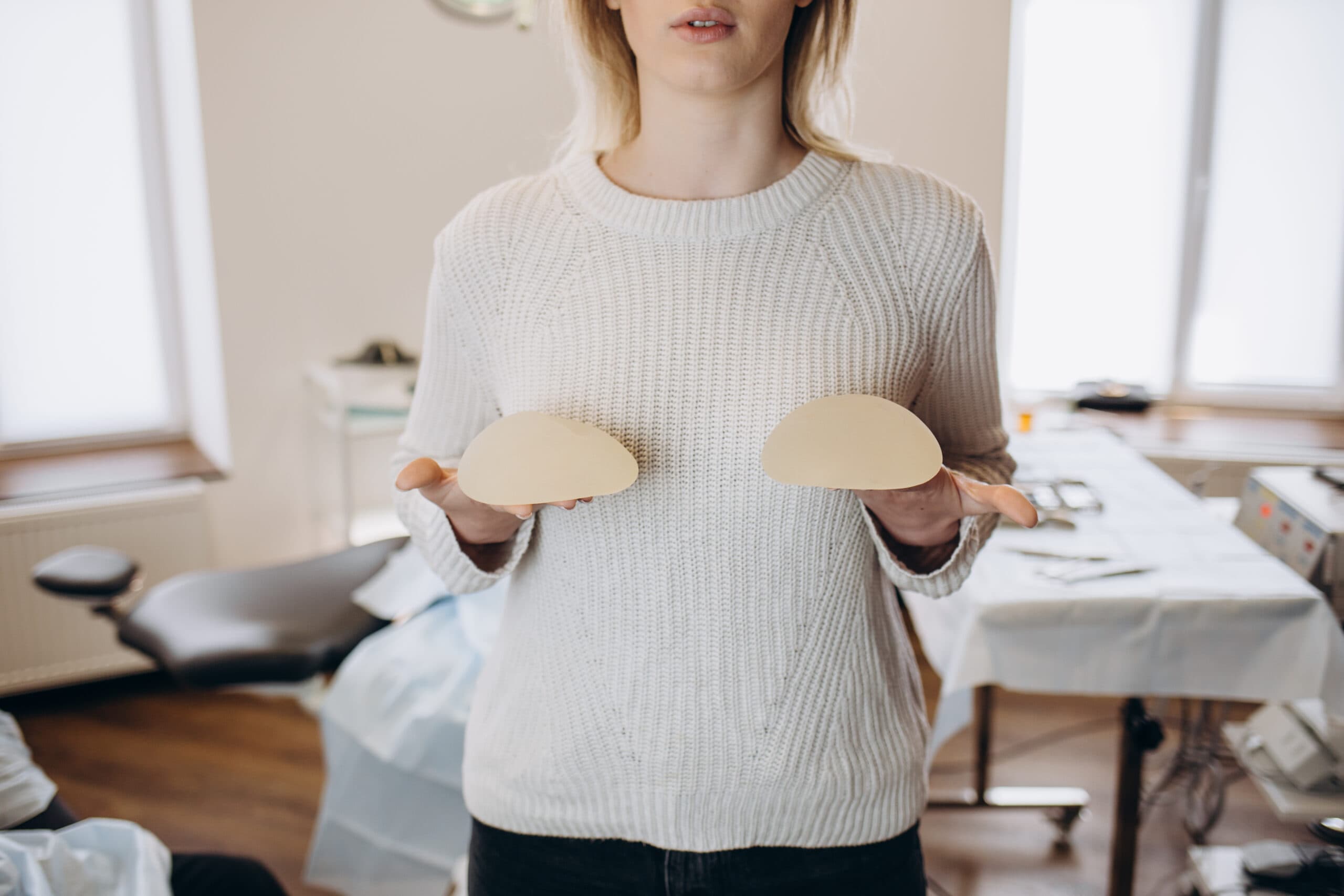
Under the muscle, also known as submuscular breast implants, means the implant is positioned beneath the pectoralis major chest muscle.
Over the muscle, known as subglandular breast implants, places the implant above the muscle and behind the natural breast tissue.
Both techniques are well established and safe. The difference lies in how much natural tissue covers the implant and how the breast responds during movement and over time.

Submuscular placement is often recommended when a softer, more gradual upper breast contour is desired.
Placing the implant beneath the muscle provides an extra layer of coverage over the upper part of the implant. This can help create a more natural slope and reduce the visibility of implant edges, particularly in patients with less natural breast tissue.
Clinically, under the muscle placement has been associated with lower rates of capsular contracture and a reduced risk of visible rippling. It is frequently chosen by slimmer patients or those seeking subtle enhancement rather than a pronounced augmented look.
Recovery can feel slightly more demanding in the early stages, as the chest muscle needs time to adjust. Tightness and pressure across the chest are common initially but typically ease steadily. Most patients return to normal daily activities within one to two weeks, with a gradual return to exercise as healing progresses.
This placement often suits patients with minimal breast tissue, those concerned about long-term implant visibility, or those prioritising a natural aesthetic.

With subglandular placement, the implant sits behind the breast tissue without involving the chest muscle.
This approach can be well suited to patients who already have adequate natural breast tissue to provide coverage and softness. When anatomy allows, over the muscle placement can produce excellent, natural-looking results.
One of the main advantages is recovery. Because the muscle is not disturbed, discomfort is often milder and mobility returns more quickly. Many patients experience a smoother early recovery and less restriction with arm and chest movement.
For very active individuals, this placement also avoids the possibility of implant movement during chest muscle contraction.
However, over the muscle placement relies heavily on existing tissue for camouflage. In patients with thinner tissue, implants may be more noticeable and rippling can sometimes be visible or palpable, particularly at the sides or upper breast. Implant selection and surgical technique are carefully considered to reduce this risk.

In broad terms, under the muscle placement offers greater coverage and a softer upper breast contour, while over the muscle placement often allows for a quicker initial recovery and avoids muscle involvement. Neither option is universally better. The most suitable choice depends on individual anatomy and desired outcome.
| Consideration | Under the Muscle (Submuscular) | Over the Muscle (Subglandular) |
|---|---|---|
Implant position | Placed beneath the chest muscle | Placed above the muscle, behind breast tissue |
Upper breast contour | Softer, more gradual slope | More defined fullness in the upper breast |
Implant coverage | Muscle and breast tissue provide coverage | Coverage relies on natural breast tissue alone |
Early recovery experience | More chest tightness initially | Typically milder discomfort |
Return to movement | Gradual return as muscle adapts | Often quicker return to normal movement |
Impact of exercise | Some movement during chest contraction possible | No implant movement with muscle use |
Long term aesthetic stability | Often chosen for subtle, natural results | Can look excellent when anatomy allows |
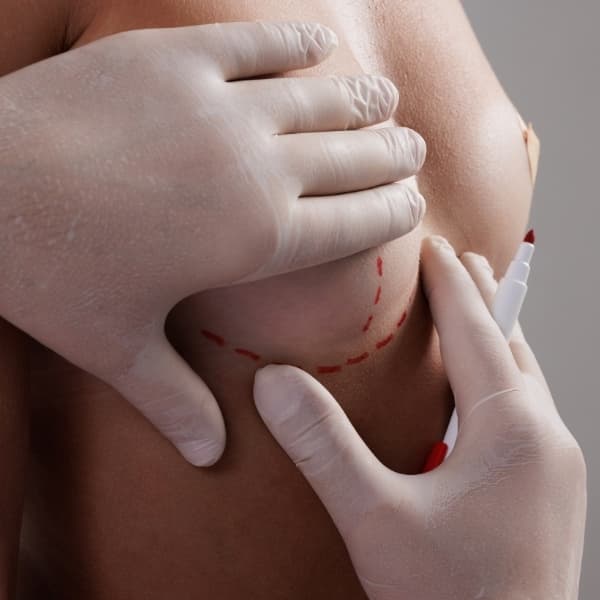
At 101 Harley Street, implant placement is never decided in isolation. Surgeons assess several factors during consultation, including breast tissue thickness, skin quality, chest anatomy, lifestyle, exercise habits and aesthetic goals.
The aim is to choose a placement that looks balanced, feels comfortable and remains stable over time. Implant size, shape and position are considered together to achieve the most harmonious result.
Implant placement can be changed during revision breast surgery if required. Some patients choose revision due to changes in body shape, personal preferences or implant related concerns. Others may consider revision following pregnancy, weight changes or lifestyle adjustments.
While revision is possible, careful planning from the outset helps reduce the likelihood of needing further surgery.


When considering breast implants under the muscle vs over the muscle, there is no single right answer. The best outcomes come from a personalised approach that respects anatomy, lifestyle and long-term wellbeing.
A detailed consultation with an experienced surgeon ensures implant placement is chosen to support natural-looking results, comfort and confidence.
Under the muscle placement often looks more natural in patients with limited breast tissue due to added coverage.
Early recovery can feel more uncomfortable, but most patients recover well within a few weeks.
Yes, particularly when there is enough breast tissue to cover the implant smoothly.
Rippling is more likely in patients with thinner tissue, regardless of implant type.
Mild movement during chest contraction can occur, but it is often minimal.
Implant lifespan depends more on implant quality and surgical technique than placement alone.
Many patients can breastfeed after either placement, depending on individual anatomy.
Both are considered safe when chosen appropriately and performed by an experienced surgeon.