Frequently Asked Questions About Blepharoplasty
What is Blepharoplasty Surgery?
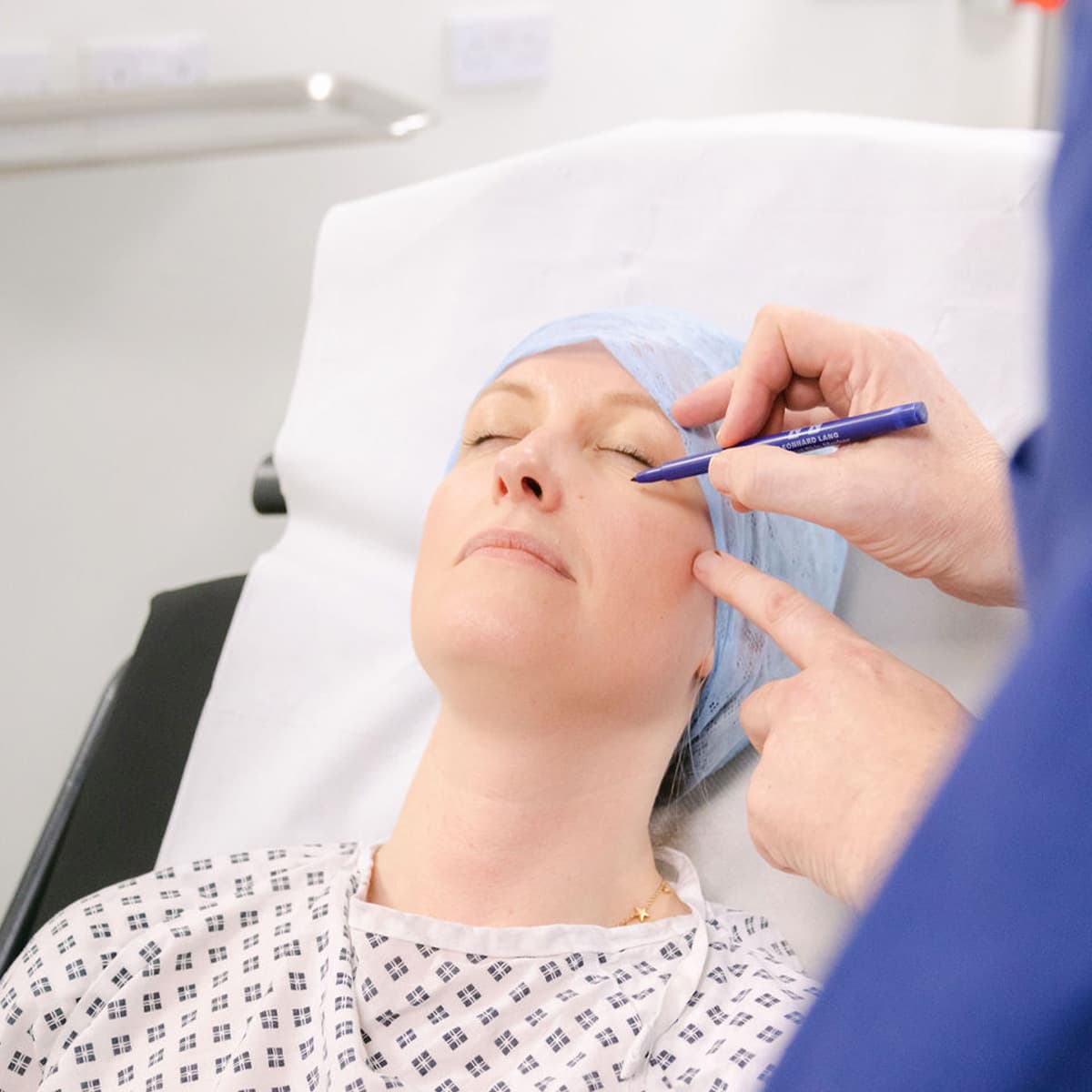
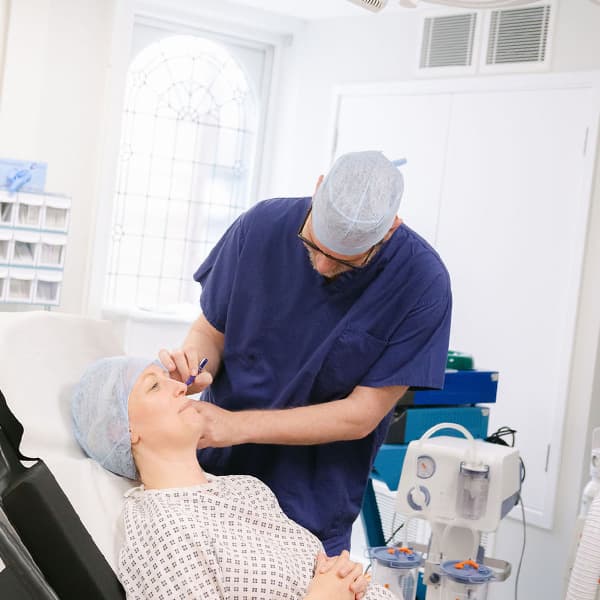
Blepharoplasty, often referred to as eyelid surgery, is a surgical procedure designed to improve the appearance and function of the upper and or lower eyelids. It involves the careful removal or repositioning of excess skin, fat and, where appropriate, muscle to create a more refreshed, open and youthful eye area. Blepharoplasty can address concerns such as hooded upper eyelids, under eye bags, puffiness and a tired or heavy appearance. In some cases, upper eyelid surgery can also improve vision if excess skin is obstructing the visual field. The procedure is tailored to each patient’s anatomy to ensure natural looking results that preserve the individual character of the eyes.
Blepharoplasty vs Non-Surgical Eyelid Treatments
Blepharoplasty offers a long-term, structural solution for moderate to severe eyelid concerns, particularly where excess skin or prominent fat pads are present. Surgery allows precise correction of hooding, sagging and under eye bags, delivering results that cannot be fully replicated with non-surgical treatments.
Non-surgical options, such as skin tightening devices, injectable treatments or laser therapies, may be suitable for patients with early signs of ageing, mild skin laxity or fine lines around the eyes. These treatments can improve skin quality, firmness and hydration but they do not remove excess skin or reposition fat. As a result, non-surgical treatments are often best viewed as preventative or maintenance options, or for those not yet ready for surgery.
During consultation, your clinician will assess your eyelid anatomy, skin quality and aesthetic goals to advise whether blepharoplasty or a non-surgical approach is most appropriate, or whether a combination of treatments may offer the best outcome.