


Learn how to get the best results from facelift surgery with expert aftercare advice, recovery tips and skin optimisation treatments for long lasting results.
A patient-focused guide to recovery, aftercare and long-term optimisation from 101 Harley Street
Facelift surgery is one of the most effective procedures for restoring facial structure and addressing visible signs of ageing. However, the quality and longevity of results are influenced by far more than the surgery itself. Recovery, aftercare and ongoing skin health all play a critical role in how refined, natural and long lasting the outcome will be.
Understanding how to get the best results from facelift surgery means viewing the procedure as part of a broader plan rather than a single event. At 101 Harley Street, facelift surgery is supported by structured aftercare and complementary treatments designed to optimise healing and skin quality over time.
A facelift repositions deeper facial tissues to restore youthful contours, but the healing process determines how those changes settle. Factors such as inflammation, circulation, nutrition and skin health all influence the final result.
By taking an active role in recovery and maintenance, patients can support smoother healing, minimise complications and preserve results for years to come.

The most important step in facelift recovery is following your surgeon’s post-operative guidance closely.
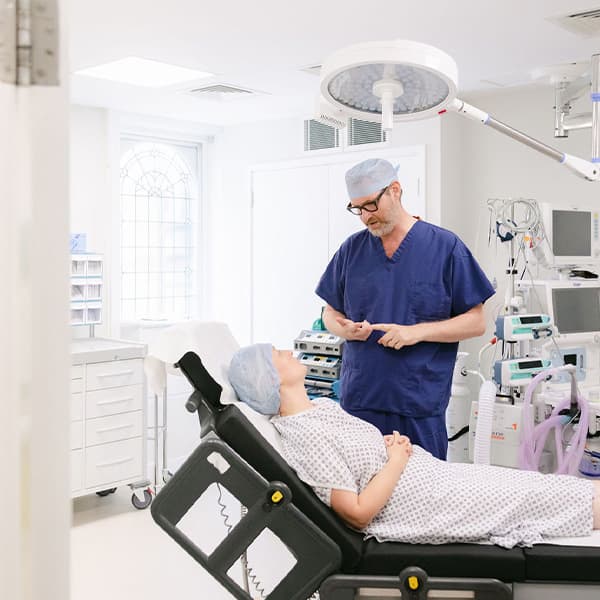
This includes wound care, medication schedules, activity restrictions and follow-up appointments. These instructions are tailored to your specific procedure and anatomy and are designed to reduce swelling, prevent infection and support optimal tissue healing.
Ignoring or modifying aftercare advice can compromise results and prolong recovery. Clear communication with your surgical team ensures concerns are addressed early and recovery remains on track.

Nutrition plays a vital role in healing after facelift surgery. A balanced diet rich in protein, vitamins and minerals supports tissue repair and immune function.
Hydration is equally important, as it helps reduce swelling and supports circulation. Smoking should be avoided, as it significantly impairs healing and increases the risk of complications. Alcohol intake is also typically limited in the early recovery phase, as it can contribute to swelling and bruising.
Gentle movement, such as short walks, can support circulation without placing strain on healing tissues. More strenuous activity should only be resumed when cleared by your surgeon.

Hyperbaric oxygen therapy is increasingly used as a supportive treatment following surgery.
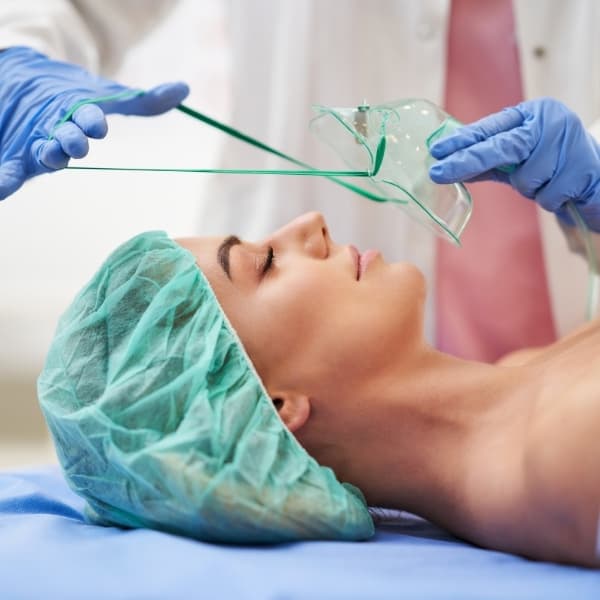
This therapy involves breathing concentrated oxygen in a pressurised environment, which increases oxygen delivery to tissues. Improved oxygenation can support wound healing, reduce inflammation and help manage post-surgical swelling.
While not essential for every patient, hyperbaric oxygen facelift support may be recommended in selected cases, particularly where enhanced recovery is a priority.

Facelift surgery addresses structural ageing, but skin quality continues to influence how youthful and refreshed the face appears.
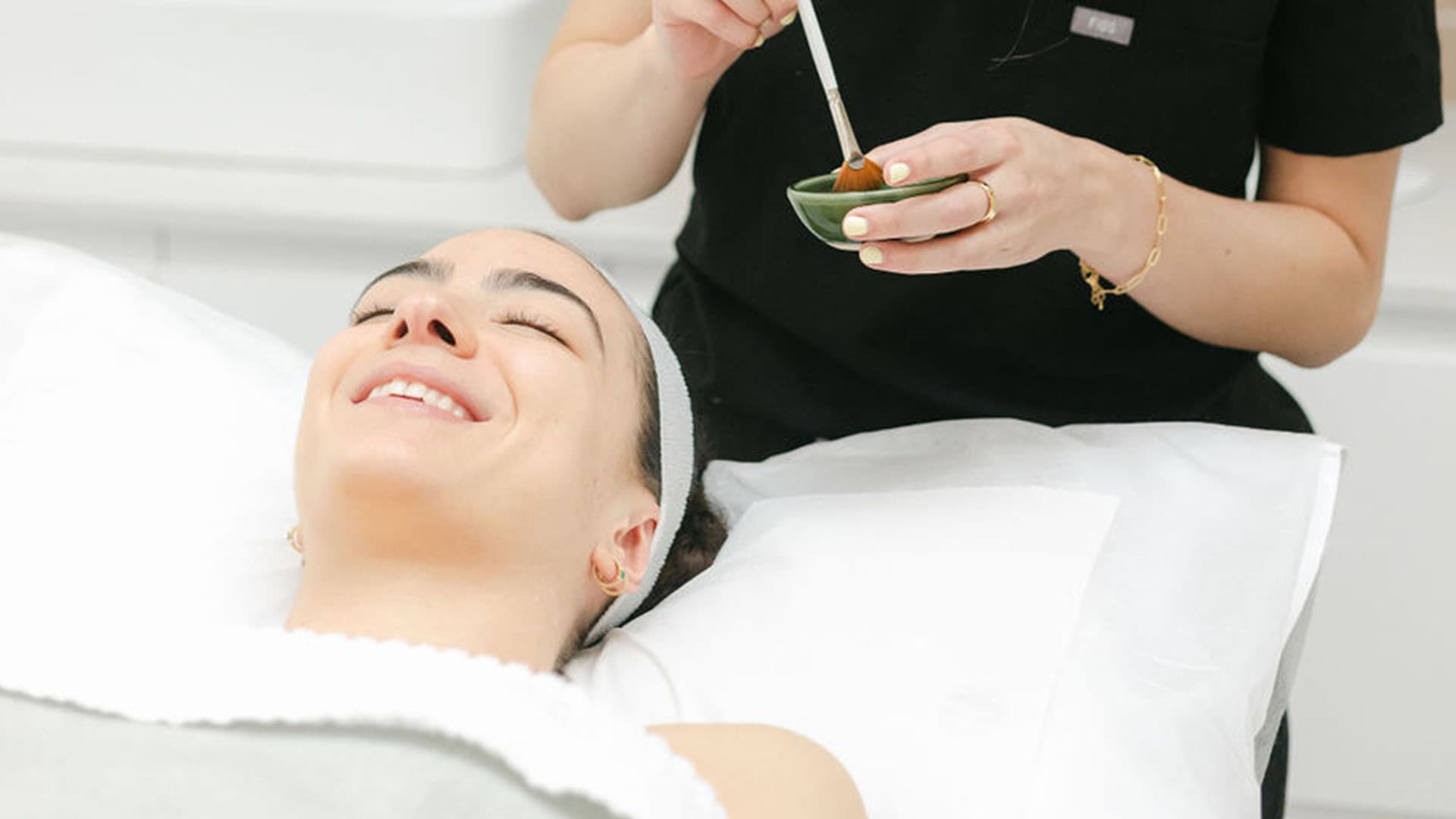
Treatments such as CO2 laser after facelift surgery may be introduced once healing is complete. CO2 laser resurfacing works by stimulating collagen production and improving skin texture, tone and fine lines.
Timing is critical. These treatments are only considered when the skin has fully recovered from surgery and are planned carefully to complement surgical results rather than interfere with healing.

Maintaining facelift results involves ongoing skin care and professional treatments as the ageing process continues.
Medical grade skincare, sun protection and targeted aesthetic treatments help preserve collagen and support skin health. Consistency is key, as gradual changes over time are best managed with preventative care rather than corrective intervention.
A long-term maintenance plan ensures results remain balanced and natural rather than appearing dated or over treated.

Achieving the best possible outcome from facelift surgery involves more than technical excellence in the operating theatre. Recovery, nutrition, skin care and supportive treatments all contribute to how results develop and endure.
By following professional guidance and viewing surgery as part of a wider optimisation plan, patients can support natural-looking, long-lasting outcomes. At 101 Harley Street, facelift surgery is approached with this holistic philosophy, ensuring care continues well beyond the procedure itself.
| Area of Care | How It Supports Results |
|---|---|
Surgical technique | Repositions deeper facial structures to restore natural contours |
Surgeon aftercare guidance | Supports safe healing and minimises complications |
Nutrition and hydration | Aids tissue repair, reduces inflammation and supports recovery |
Lifestyle choices | Avoiding smoking and excess alcohol protects healing tissues |
Hyperbaric oxygen therapy | May enhance oxygen delivery and support recovery in selected cases |
Skin treatments | CO2 laser and skin therapies improve texture and collagen once healed |
Long-term maintenance | Medical skincare and ongoing treatments preserve results over time |
Integrated care approach | Collaboration between surgery and aesthetics optimises longevity |
At 101 Harley Street, surgical care is supported by the expertise of L’Atelier Aesthetics.
L’Atelier Aesthetics works closely with surgical teams to provide post-surgical skin treatments and long-term aesthetic maintenance. This collaborative approach ensures continuity of care and allows skin treatments to be timed appropriately following facelift surgery.
By integrating surgery with non-surgical expertise, patients benefit from a comprehensive approach that supports both recovery and longevity of results.